Category: Identification

  • Eupatorium compositifolium Plant Identification (Flower, Leaf, Care, Uses)

    Eupatorium compositifolium Walter – Yankee Weed

    Eupatorium compositifolium plant

    Family – Asteraceae

    Stems:

    Eupatorium compositifolium stem

    Leaves:

    N/A

    Inflorescence:

    Eupatorium compositifolium inflorescenceA portion of a flowering branch.

    Involucre:

    N/A

    Ray flowers:

    Absent.

    Disk flowers:

    Eupatorium compositifolium flower headFlower head close-up.

    Flowering – June – November.

    Habitat – Flatwoods, marshes, pastures, disturbed sites.

    Origin – Native to North America.

    Other information – This weedy species can be found in the southern half of Alabama and is probably more common than has been reported. The plant can be identified by its pubescent stems, divided leaves, and dense but minute flower heads. The plant is often viscid when young. The stems grow to +2m tall.
    Another species, E. capillifolium (Lam.) Small is similar but has leaf divisions that are very thin. The two species can be found growing side-by-side in the field.
    The species epithet compositifolium derives from the Latin “compositus” meaning “placed together, compound, orderly” and “foli” meaning “a leaf” referring to the divided leaves of the plant.
    The genus name Eupatorium was given in honor of Mithridates VI of Pontus (132BC – 63BC), also called Eupator Dionysius. Mithridates VI was the son of Mithridates V of Pontus (called Euergetes). Mithridates VI had many brothers, whom he killed to clear his path to the throne, and a sister, whom he married.
    Mithridates VI is believed to have had a tremendous memory. It is said he spoke 25 different languages. It is also believed that Mithridates sought to strengthen himself against poisoning by taking less than lethal doses of poison on a regular basis. This practice came to be known as mithridatism. A universal antidote for a poison is sometimes referred to as a mithridate. Unfortunately for Mithridates, the practice of taking poisons actually worked against him in the end. During the 3rd Mithridatic War, Pompey the Great defeated Mithridates. Mithridates tried to poison himself instead of being captured but was unsuccessful becasue he had become tolerant of all the known poisons of his day. He instead had to stab himself with his own sword.
    This strange ending of Mithridates’ life is chronicled in a play called Mithridates, written in 1673 by Jean Racine. Mozart also wrote one of his first operas about the subject in 1770, Mitridate, re di Ponto.

    Alabama Distribution:

    Eupatorium compositifolium map

    Photographs taken in Macon County, AL., 9-24-04, and off Lee Rd 10, Lee County, AL., 9-29-04.
  • Mahonia bealei Plant Identification (Flower, Leaf, Care, Uses)

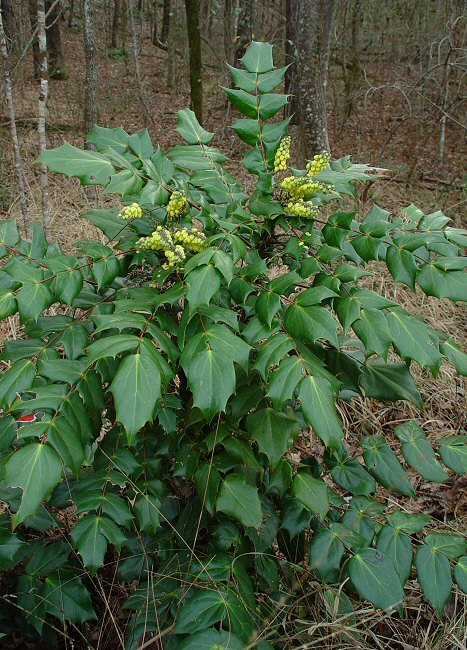
    Mahonia bealei (Fortune) Carr. – Oregon Grape

    Mahonia bealei plant

    Family – Berberidaceae

    Stems:

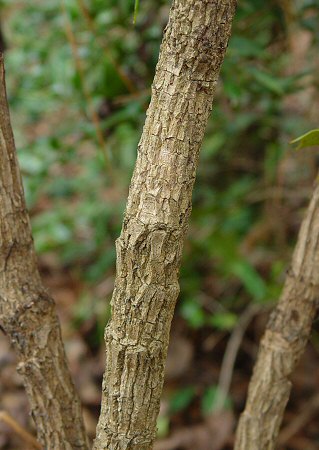
    Mahonia bealei stem

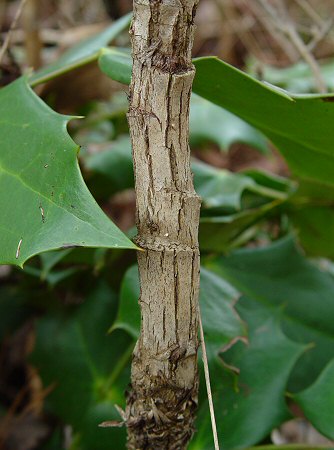
    Mahonia bealei stem

    Leaves:

    N/A

    Inflorescence:

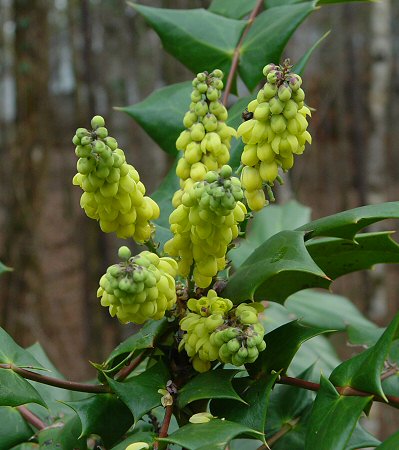
    Mahonia bealei inflorescence

    Flowers:

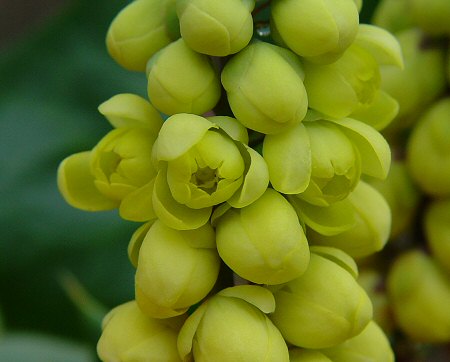
    Mahonia bealei flower

    Flowering – December – March.

    Habitat – Commonly cultivated and escaped to woodlands, persistent around old homesites.

    Origin – Native to China.

    Other information – This species can be found cultivated throughout much of Alabama but is only infrequently escaped. The plant is easy to identify becasue if its corky stems, big, pinnately divided leaves (which have shiny green, pointed leaflets), and big clusters of yellow flowers. The flowers wilt quickly and become a bluish fruit.

    The genus name Mahonia is given in honor of Bernard M’Mahon (1775-1816). M’Mahon came to the U.S. from Ireland in 1796 and began to export seeds of native North American plants back to Europe. By 1804 his list of seeds contained nearly 1000 species. His book – The American Gardener’s Calendar – was THE gardening authority in America for nearly 50 years.

    The species epithet bealei is given in honor of William James Beal (1833-1924). Beal was an outstanding botanist in North America. He taught at the Michigan Agricultural College from 1870 to 1910. Beal’s accomplishments are many and are well beyond the scope of this web Plant Identification (Flower, Leaf, Care, Uses). You can read more about Beal at this .

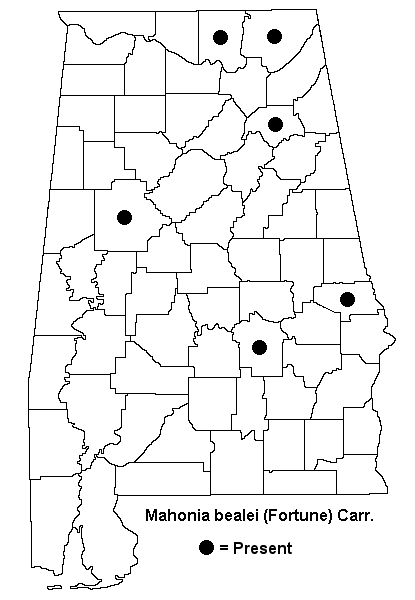
    Alabama Distribution:

    Mahonia bealei map

    Photographs taken off Lee Rd 27, Auburn, AL., 1-29-06.

  • Physalis angustifolia Plant Identification (Flower, Leaf, Care, Uses)

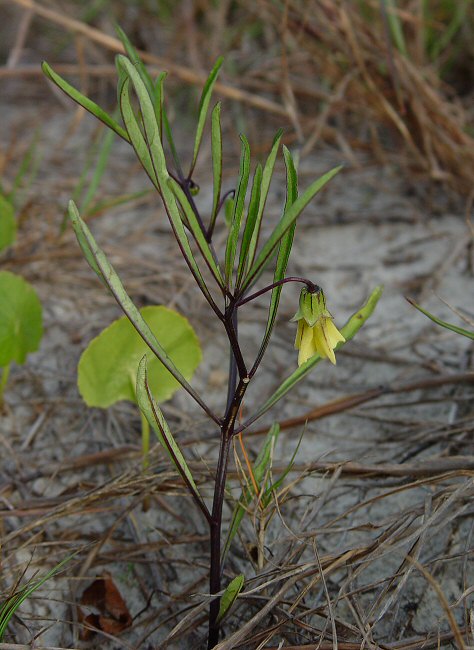
    Physalis angustifolia Nutt. – Coastal Groundcherry

    Physalis angustifolia plant

    Family – Solanaceae

    Stems:

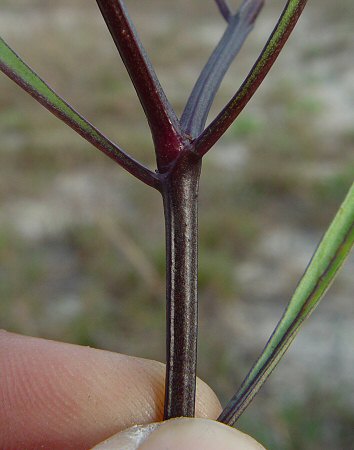
    Physalis angustifolia stem

    Leaves:

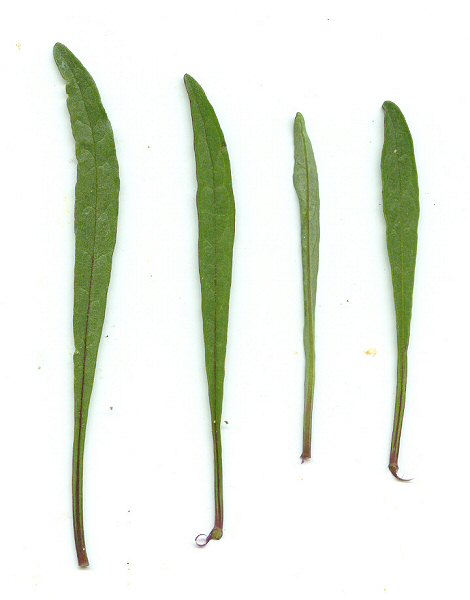
    Physalis angustifolia leaves

    Inflorescence:

    N/A

    Flowers:

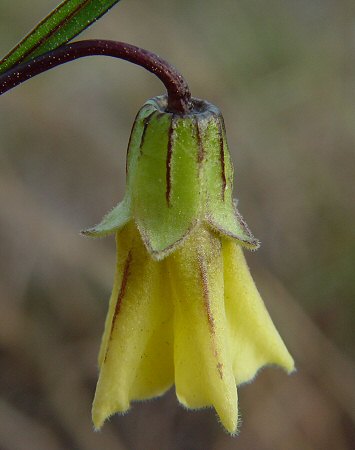
    Physalis angustifolia flower

    Flowering – March – December.

    Habitat – Coastal dunes and strands.

    Origin – Native to U.S.

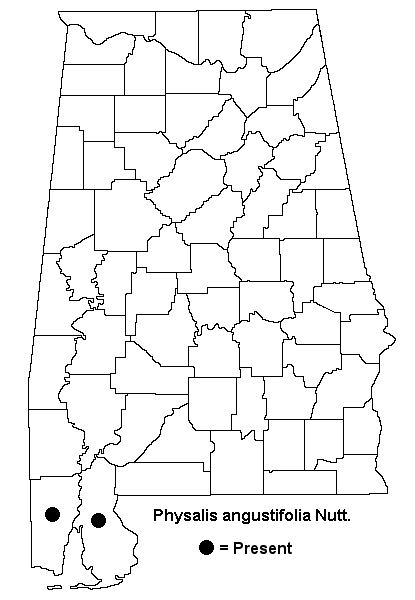
    Other information – This species can be found in the two coastal Alabama counties. The plant can be identified by its habitat, glabrous stems and leaves, thin leaves, and bluish anthers. Another species, P. walteri Nutt., can also be found in coastal areas but this latter species is stellate pubescent and does not have linear leaves.
    The genus name Physalis derives from the Greek “physal(i)” meaning “a bladder, bubble, a wind instrument” referring to the inflated calyx of the fruit.
    The species epithet agustifolia derives from the Latin “angust(i)” meaning “narrow” and “foli(a)” meaning “a leaf” referring, obviously, to the narrow leaves.

    Alabama Distribution:

    Physalis angustifolia map

    Photographs taken at St. George Island State Park, FL., 3-29-05.

  • Hypochaeris glabra Plant Identification (Flower, Leaf, Care, Uses)

    Hypochaeris glabra L. – Smooth Cat’s Ear

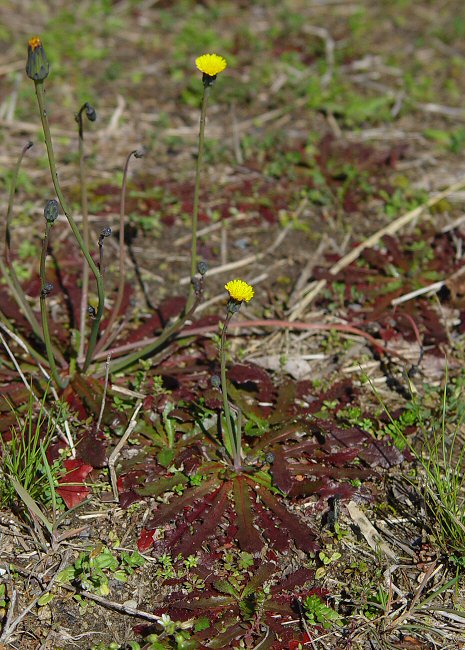
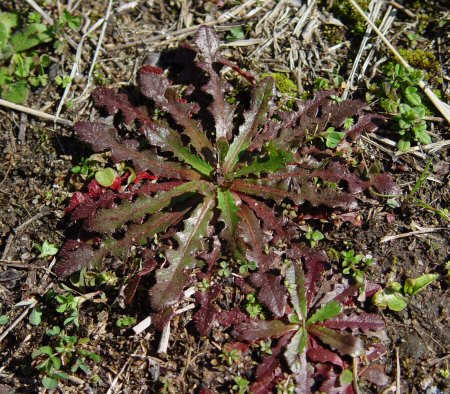
    Hypochaeris glabra plant

    Family – Asteraceae

    Stems:

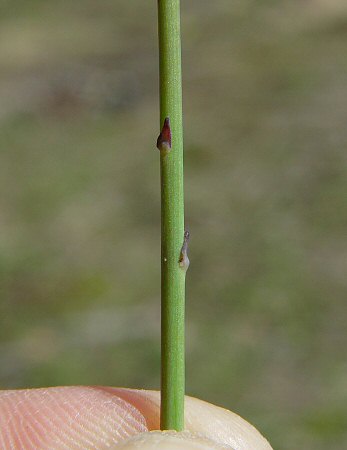
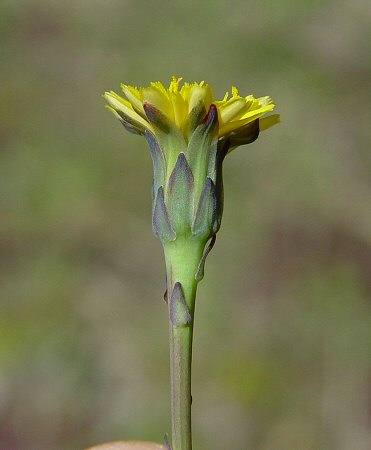
    Hypochaeris glabra stemFlowering scape.

    Leaves:

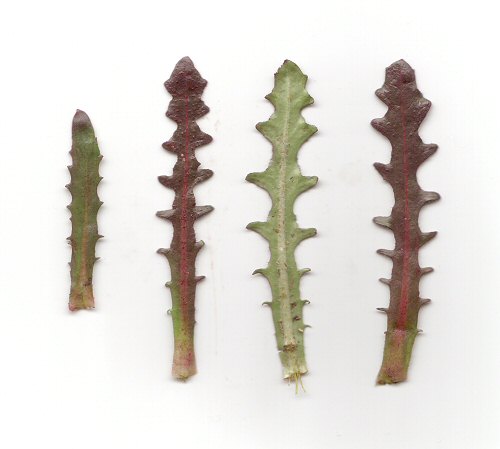
    Hypochaeris glabra leaves

    Hypochaeris glabra basalsBasal leaves.

    Inflorescence:

    N/A

    Involucre:

    Hypochaeris glabra involucre

    Ray flowers:

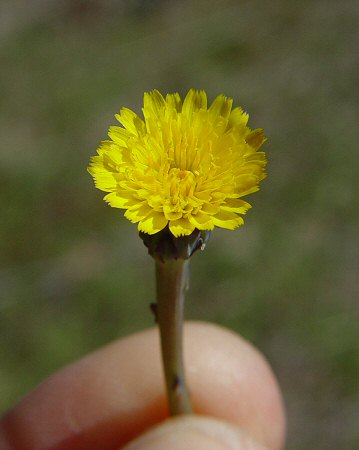
    Hypochaeris glabra flowers

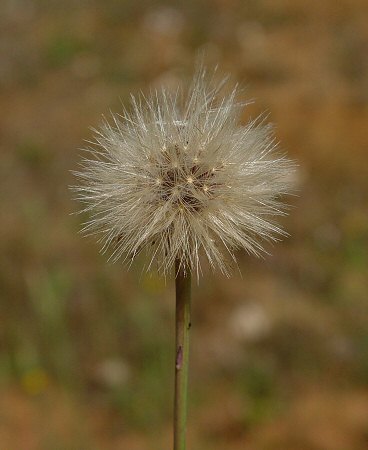
    Hypochaeris glabra fruitsFruiting head.

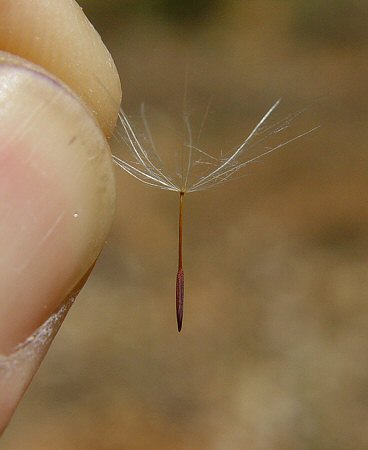
    Hypochaeris glabra acheneBeaked achene.

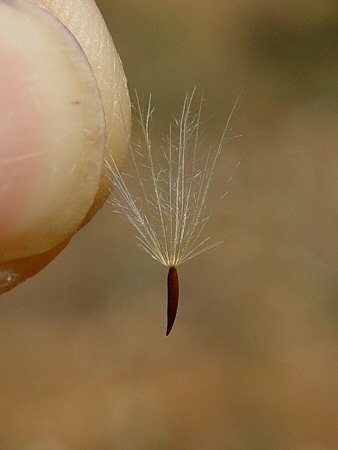
    Hypochaeris glabra acheneNon-beaked achene.

    Disk flowers:

    Absent.

    Flowering – February – July.

    Habitat – Roadsides, waste places, fields, pastures, disturbed sites.

    Origin – Native to Europe.

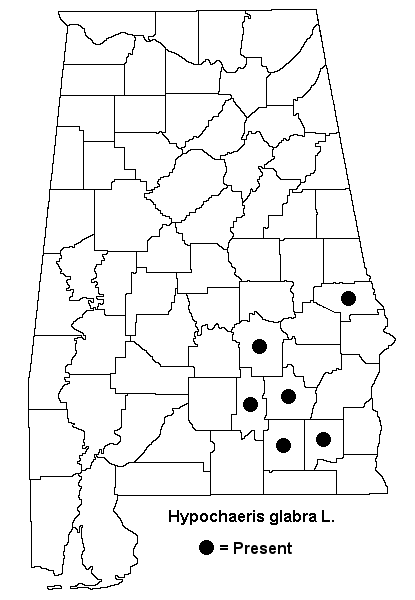
    Other information – This weedy little species can be found in southern Alabama. The plant can be identified by its basal rosette of pinnately-lobed leaves, its glabrous scapes, and its small yellow flower heads. The leaves can be glabrous to slightly hispid. The flowers barely exceed the rays of the involucre.
    The fruits of H. gabra frequently (but not always) have both beaked and non-beaked achenes. The non-beaked achenes come from the outermost flowers.
    The genus name Hypochaeris was a named used by Theophrastus for this genus or a similar genus. The name is derived from the Greek “hypo” meaning “under” and “chaer(i)” meaning “a young pig” maybe referring to the basal leaves growing so flat to the ground?
    The species epithet glabra derives from the Latin “glab(r)” meaning “smooth” referring to nearly all parts of the plant.

    Alabama Distribution:

    Hypochaeris glabra map

    Photographs taken off CR 243, Lee County, AL., 2-26-06.

  • Liatris pilosa Plant Identification (Flower, Leaf, Care, Uses)

    Liatris pilosa (Ait.) Willd. – Shaggy Blazing-star

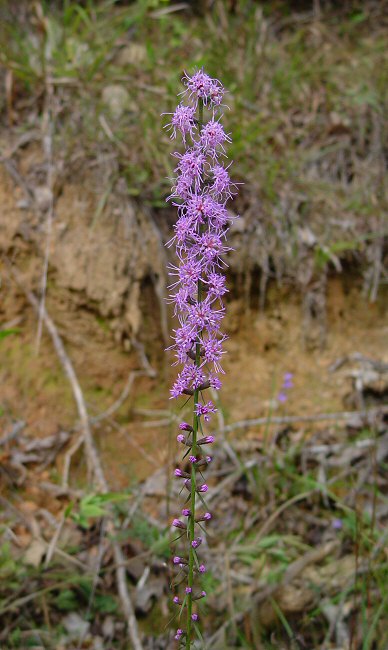
    Liatris pilosa plant

    Family – Asteraceae

    Stems:

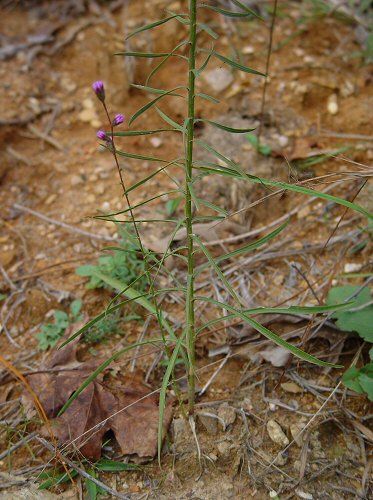
    Liatris pilosa baseBase of plant.

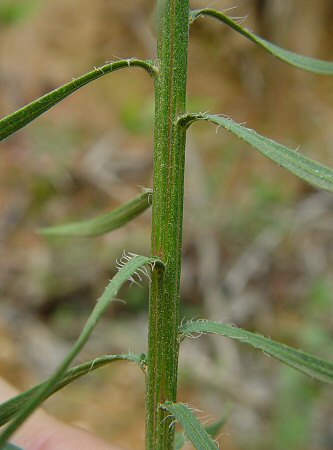
    Liatris pilosa stem

    Leaves:

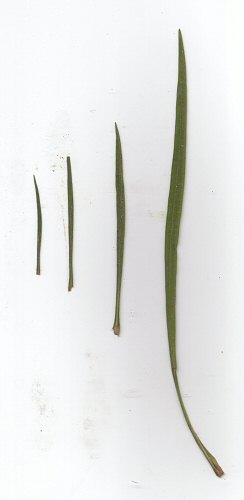
    Liatris pilosa leaves

    Inflorescence:

    N/A

    Involucre:

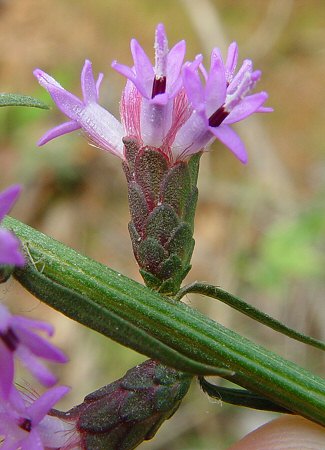
    Liatris pilosa involucre

    Ray flowers:

    Absent.

    Disk flowers:

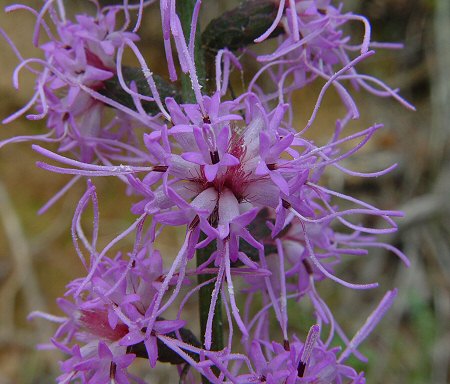
    Liatris pilosa flowers

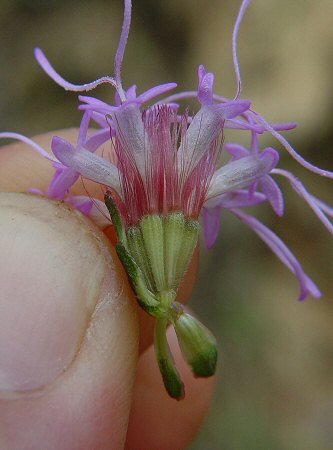
    Liatris pilosa pappusPappus and achenes.

    Flowering – July – October.

    Habitat – Flatwoods, open hammocks, sandhills, open woods.

    Origin – Native to North America.

    Other information – This showy species can be found scattered throughout much of Alabama but seems to be concentrated in the east-central portion of the state. The plant can be identified by its thin leaves, which gradually reduce up the stem, its sessile to sub-sessile flowerheads, and it big, pink corollas (which are pilose internally at the base).
    Many species of Liatris are difficult to differentiate from one-another and L. pilosa is no exception. Plants which have been browsed by animals can branch and have a completely different look than shown above. Consult a good key to be sure what species you have.
    The genus name Liatris is of unknown derivation.
    The species epithet pilosa derives from the Latin “pilos” meaning “hairy” and refers to the hairs inside the corolla tube.

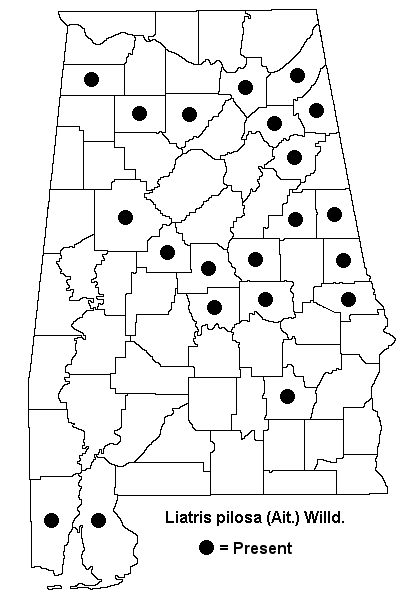
    Alabama Distribution:

    Liatris pilosa map

    Photographs taken at Fort Benning, GA., 10-1-05.

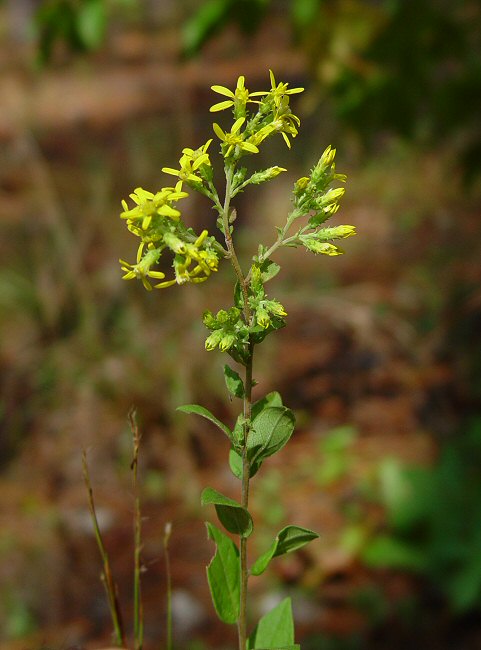
  • Solidago petiolaris Plant Identification (Flower, Leaf, Care, Uses)

    Solidago petiolaris Ait. – Goldenrod

    Solidago petiolaris plant

    Family – Asteraceae

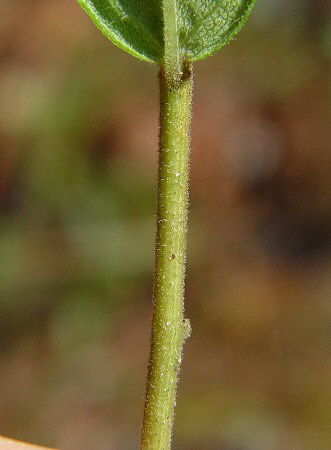
    Stems:

    Solidago petiolaris stem

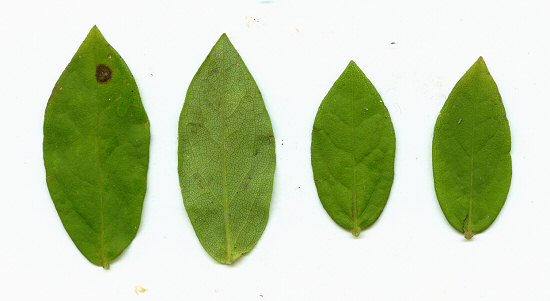
    Leaves:

    Solidago petiolaris leaves

    Inflorescence:

    N/A

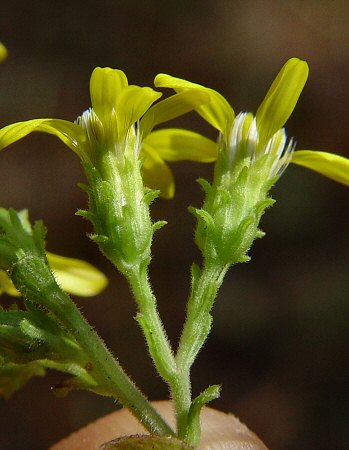
    Involucre:

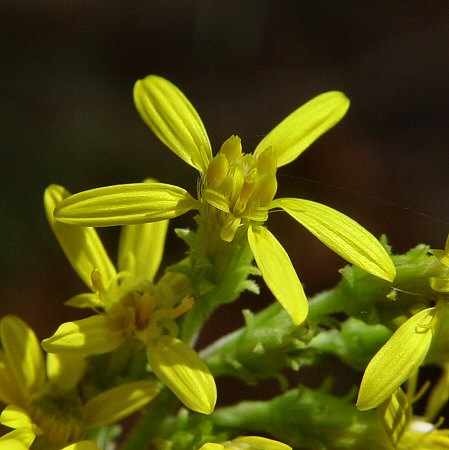
    Solidago petiolaris involucre

    Flowers:

    Solidago petiolaris flowersClose-up of the flowers.

    Flowering – September – November.

    Habitat – Pinelands, upland woods, flatwoods, bogs, bay swamps, rock outcrops, bluffs, rocky open woods. Typically on acidic soils.

    Origin – Native to North America.

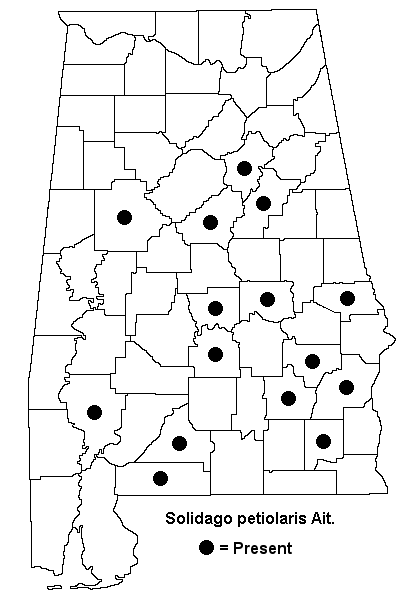
    Other information – This species can be found mainly in the south and central portions of Alabama. The plant is found on acidic soils. The inforescence is often more cylindric than in the photo above.
    This species can be identified by its sessile leaves, pubescent stems, and spreading phyllaris.
    The genus name Solidago derives from the Latin “solidus” meaning “whole” or “to make whole” and the Greek “ago” meaning “leader”. The name Solidago means “uniter (used as a healing medicine)”.
    The species epithet petiolaris derives from the Latin “petiol” meaning “a stalk or petiole”. This name is perhaps mis-given as most of the the leaves of the plant are sub-sessile to sessile or only short-petiolate at best.

    Alabama Distribution:

    Solidago petiolaris map

    Photographs taken in the Tuskegee Natinal Forest, AL., 10-12-04.
  • Spiranthes tuberosa Plant Identification (Flower, Leaf, Care, Uses)

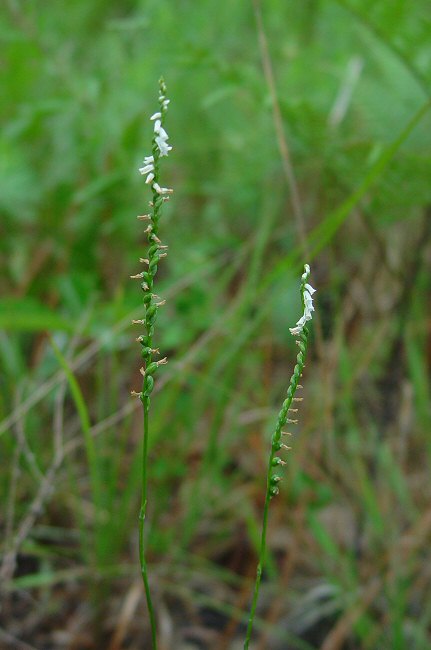
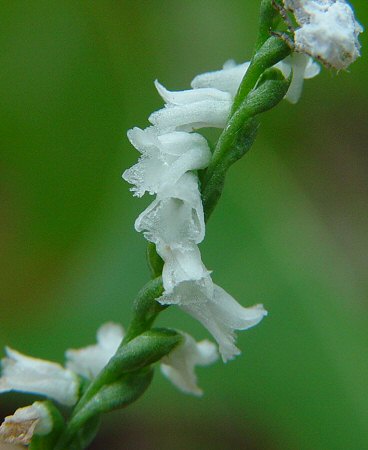
    Spiranthes tuberosa Raf. – Little Ladies Tresses
    Spiranthes tuberosa plant

    Family – Orchidaceae

    Stems:

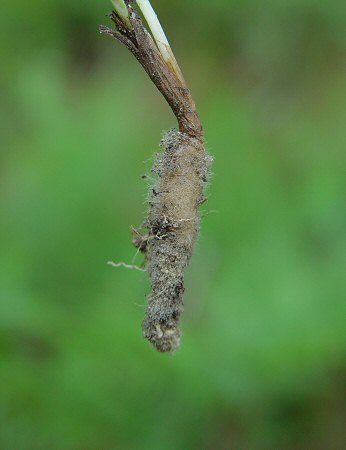
    Spiranthes tuberosa root

    Leaves:

    N/A

    Inflorescence:

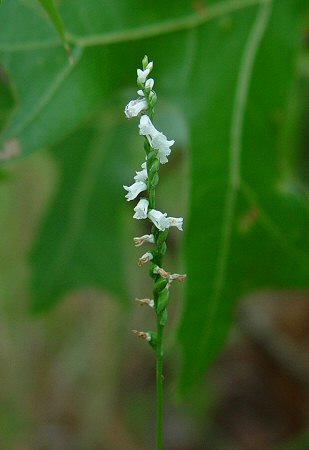
    Spiranthes tuberosa inflorescence

    Flowers:

    Spiranthes tuberosa flowers

    Flowering – May – September.

    Habitat – Dry flatwoods, sandhills, scrub, pine-hardwood slopes.

    Origin – Native to North America.

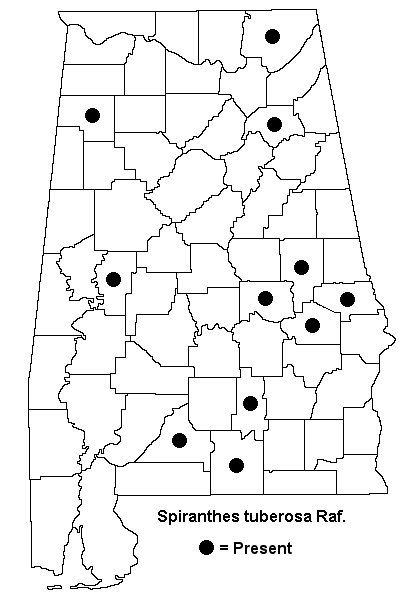
    Other information – This little species can be found in scattered counties throughout Alabama. The plant can be identified by its tuberous root, lack of leaves at anthesis, and tiny white flowers. The flowers are in a single spiral on the inflorescence. The root is typically single but can rarely be paired if the previous-season’s root is persistent.
    Another species, S. lacera (Raf.) Raf., is similar but has multiple tuberous roots and the flowers have a distinct green spot in the center of the lip.
    The genus name Spiranthes derives from the Greek “speir(o)” meaning “coil” and “anth” meaning “a flower” referring to the shape of the inflorescence.
    The species epithet tuberosa derives from the Latin “tuber” meaning “a knot, knob, swelling” referring to the root.

    Alabama Distribution:

    Spiranthes tuberosa map

    Photographs taken at Fort Benning, AL., 6-28-05.

  • Centaurium pulchellum Plant Identification (Flower, Leaf, Care, Uses)

    Centaurium pulchellum (Sw.) Druce – Centaury

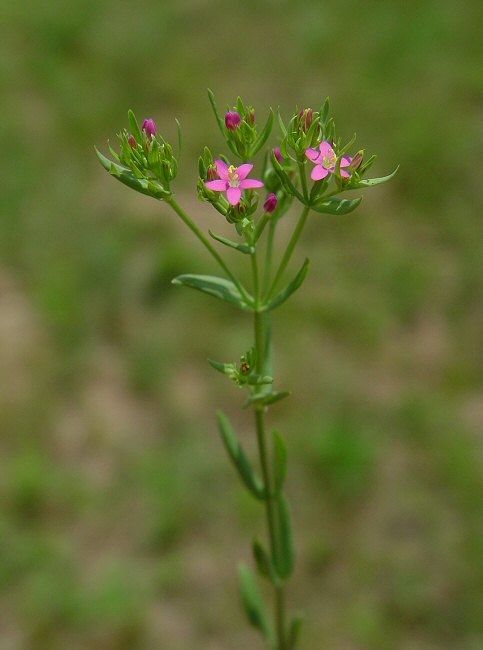
    Centaurium pulchellum plant

    Family – Gentianaceae

    Stems:

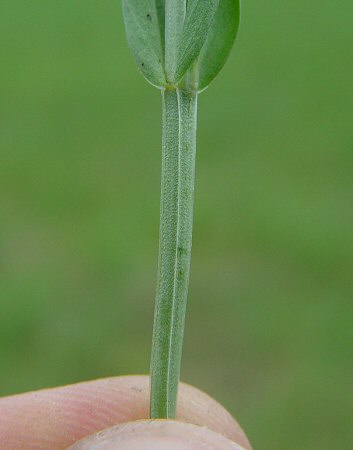
    Centaurium pulchellum stem

    Leaves:

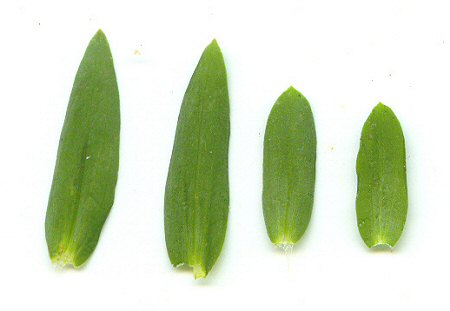
    Centaurium pulchellum leaves

    Inflorescence:

    N/A

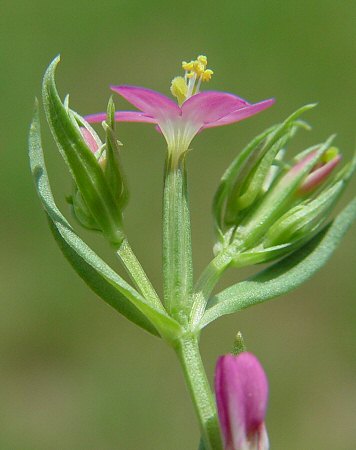
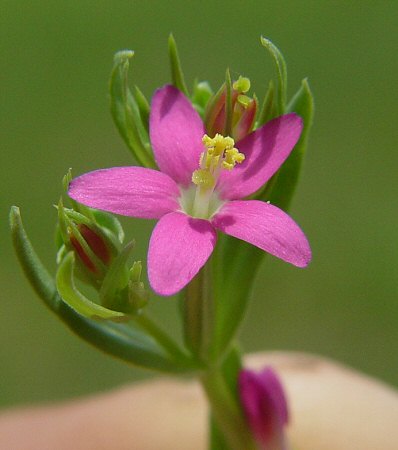
    Flowers:

    Centaurium pulchellum calyxCalyx.

    Centaurium pulchellum flower

    Flowering – June – October.

    Habitat – Fields, waste places, disturbed sites.

    Origin – Native to Eurasia.

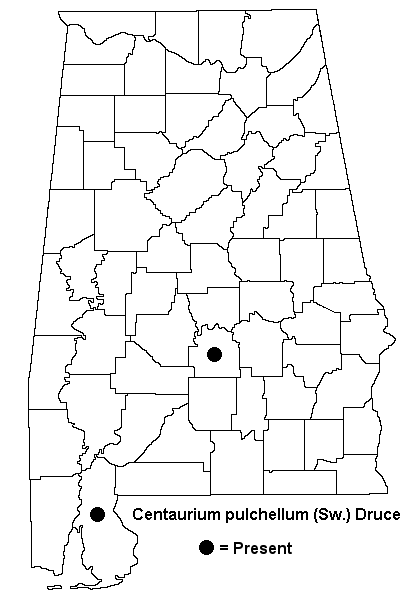
    Other information – This little introduced species is uncommon in Alabama. The plant can be identified by its small size, grooved stems, opposite, sessile leaves, and brilliant pink flowers. The long calyx lobes of the flower are nearly as long as the corolla tube. Another species, C. umbellatum Gilib., is similar but has not been reported yet from Alabama. The two species are often confused and misrepresented on the web. It appears that the best characteristic to tell the two plants apart is calyx lobe size in comparison to the corolla tube. The calyx lobes of C. umbellatum are less than to half the length of the corolla tube. The length of calyx lobes in C. pulchellum is mentioned above.
    The genus name Cenaurium derives from the Greek “centau(r)” meaning “a piercer, spearman” and is an old name used by herbalists as the medicinal properties of the plant were discovered by the Centaur.
    The species epithet pulchellum derives from the Latin “pulch(ell)” meaning “beautiful” as the flowers are small but have amazing color.

    Alabama Distribution:

    Centaurium pulchellum map

    Photographs taken in Lowndes County, AL., 6-4-05.

  • Ipomoea wrightii Plant Identification (Flower, Leaf, Care, Uses)

    Ipomoea wrightii Gray – Wright’s Morning Glory

    Ipomoea wrightii plant

    Family – Convolvulaceae

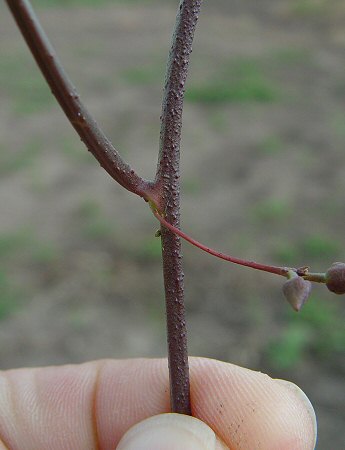
    Stems:

    Ipomoea wrightii stem

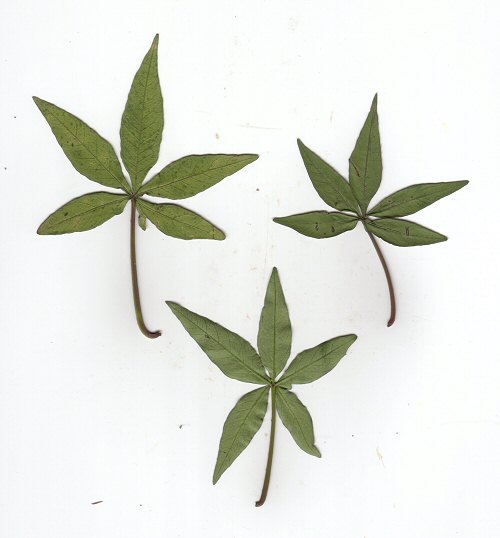
    Leaves:

    Ipomoea wrightii leaves

    Inflorescence:

    N/A

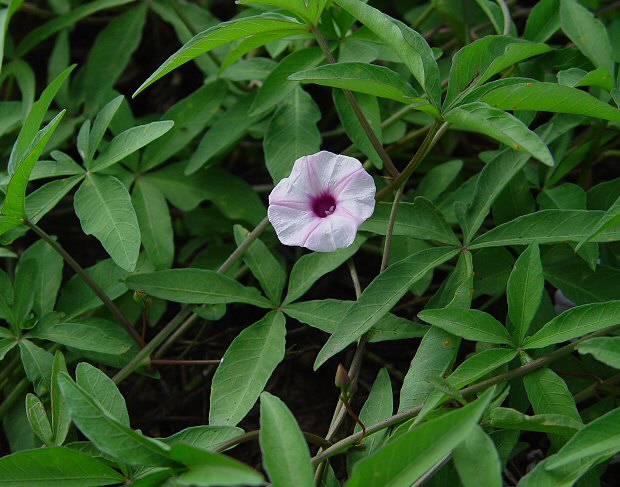
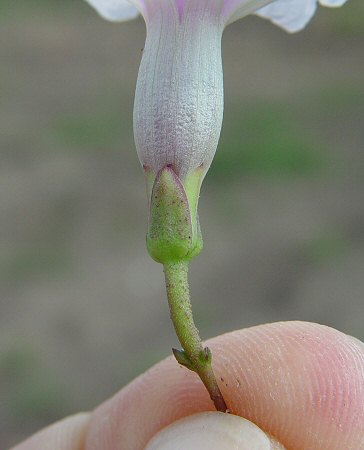
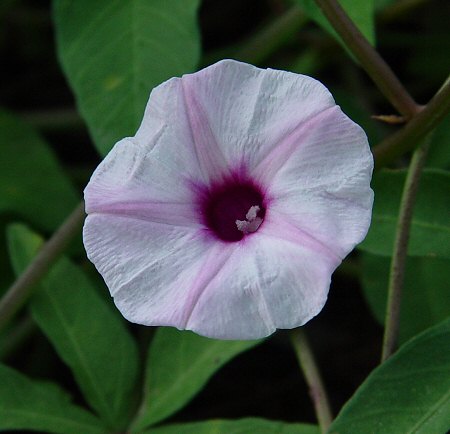
    Flowers:

    Ipomoea wrightii calyxCalyx.

    Ipomoea wrightii flower

    Flowering – July – September.

    Habitat – Disturbed sites, roadsides, railroads, cultivated areas, thickets.

    Origin – Native to tropical America.

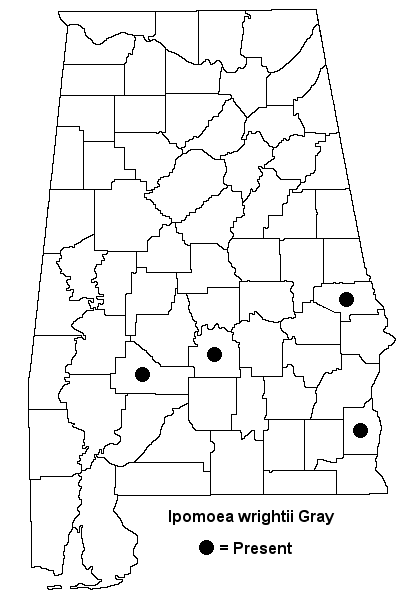
    Other information – This attractive yet weedy species is only reported in a small umber of Alabama counties but will certainly become more frequent with time. The plant is easy to identify because of its palmate leaves and pink flowers. Like the other morning glories, the flowers of the plant wilt when hit by direct, hot sunlight.
    The genus name Ipomoea derives from the Greek “ip(s)” meaning “a worm” and “homo(oio)” meaning “like, resembling” referring to the twining habit of the plants in this genus.
    The species epithet wrightii is given in honor of Charles Wright (1811 – 1885). Wright was an American-born naturalist who collected plants in many parts of the world. His collections served as the basis for a number of books.

    Alabama Distribution:

    Ipomoea wrightii map

    Photographs taken off Hwy 65 near Gould, AR., 9-3-06.

  • Eriogonum tomentosum Plant Identification (Flower, Leaf, Care, Uses)

    Eriogonum tomentosum Michx. – Dogtongue Wild Buckwheat

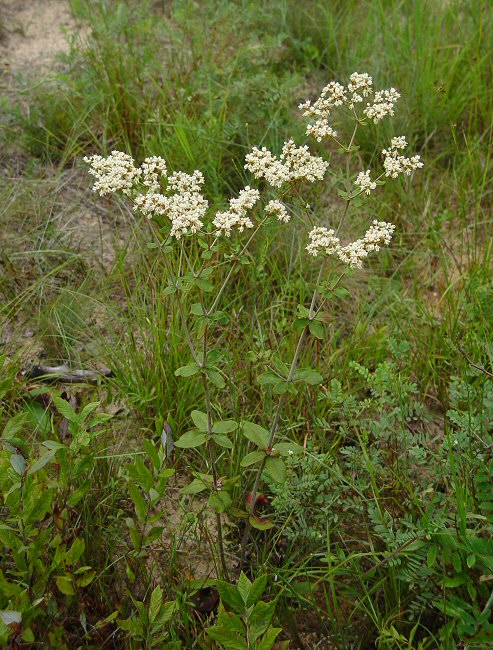
    Eriogonum tomentosum plant

    Family – Polygonaceae

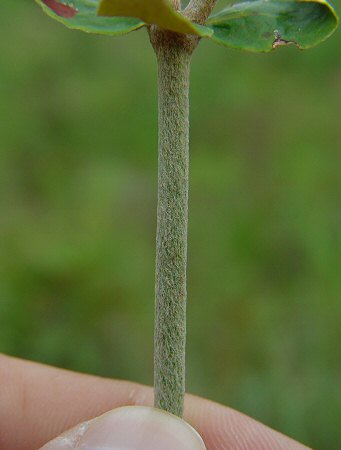
    Stems:

    Eriogonum tomentosum stem

    Leaves:

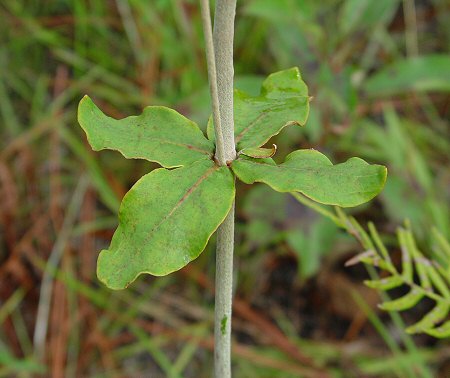
    Eriogonum tomentosum whorlWhorl of cauline leaves.

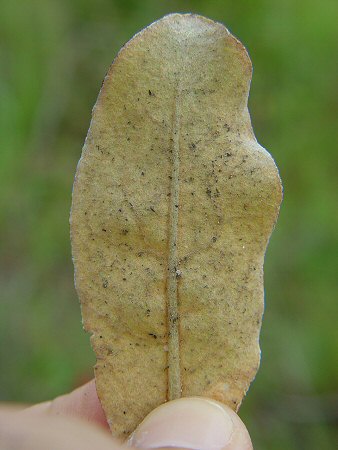
    Eriogonum tomentosum leafAbaxial leaf surface.

    Inflorescence:

    N/A

    Flowers:

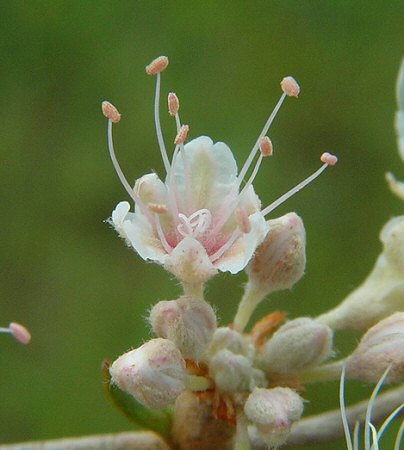
    Eriogonum tomentosum flower

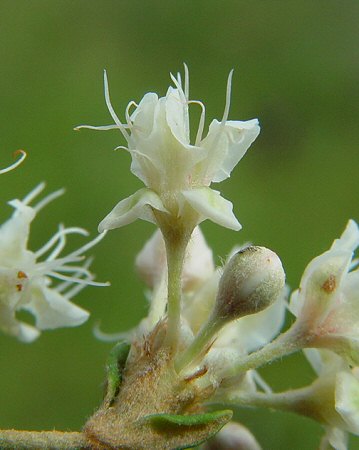
    Eriogonum tomentosum flowerFlower, side view.

    Flowering – July – September.

    Habitat – Sandhills, savannahs.

    Origin – Native to North America.

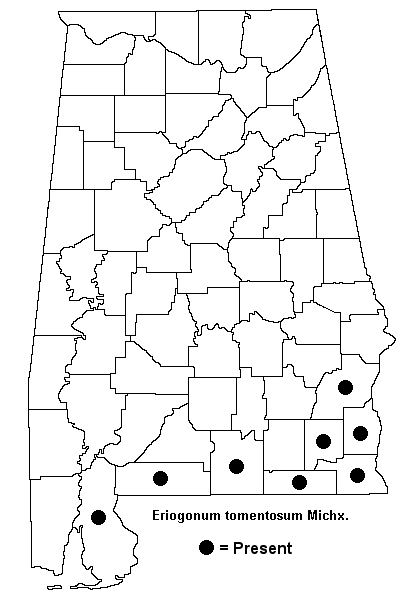
    Other information – This showy species can be found in the most southern Alabama counties. The plant grows on dry, sandy soil and is easy to identify becasue of its tomentose abaxial leaf surfaces and whorled cauline leaves. The basal leaves of the plant are spatulate and are typically wilted at anthesis.
    The genus name Eriogonum derives from the Greek “erio” meaning “wool” and “gono” meaning “the knee” referring to the hairiness of the plant and the swollen nodes of many of the species.
    The species epithet tomentosum derives from the Latin “toment(os)(um)” meaning “dense hair” referring, again, to the hairiness of the plant.

    Alabama Distribution:

    Eriogonum tomentosum map

    Photographs taken at Fort Benning, GA., 8-11-05.