Category: Identification

  • Rhynchosia tomentosa Plant Identification (Flower, Leaf, Care, Uses)

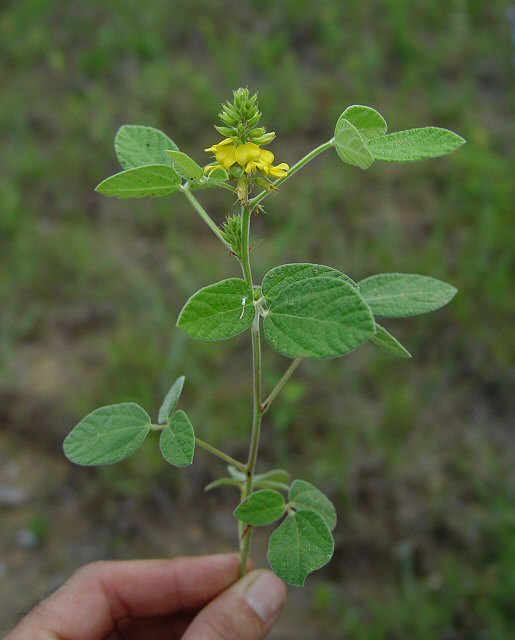
    Rhynchosia tomentosa (L.) Hook. & Arn. – Twining Snoutbean

    Rhynchosia tomentosa plant

    Family – Fabaceae

    Stems:
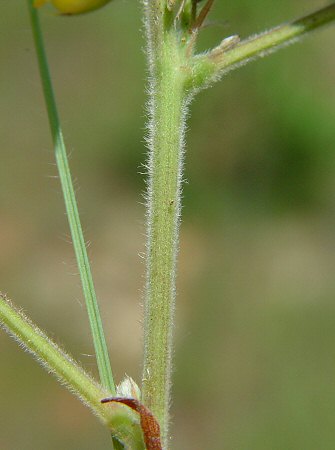
    Rhynchosia tomentosa plant

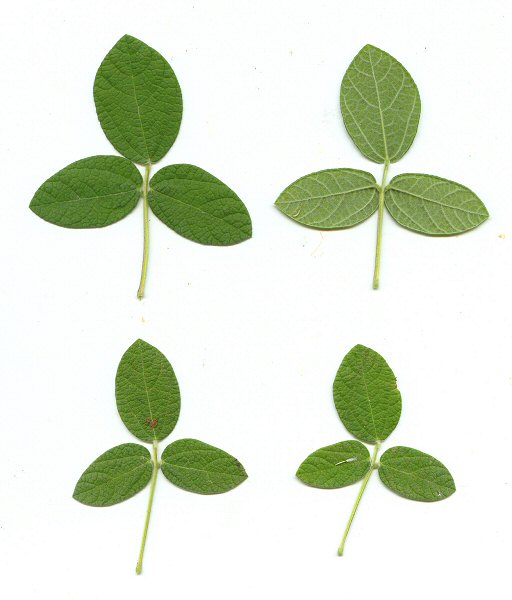
    Leaves:

    Rhynchosia tomentosa leaves

    Inflorescence:

    N/A

    Flowers:

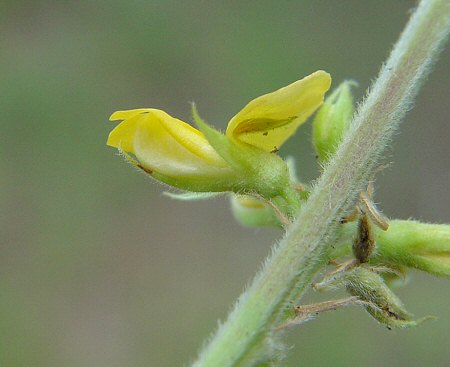
    Rhynchosia tomentosa calyxCalyx.

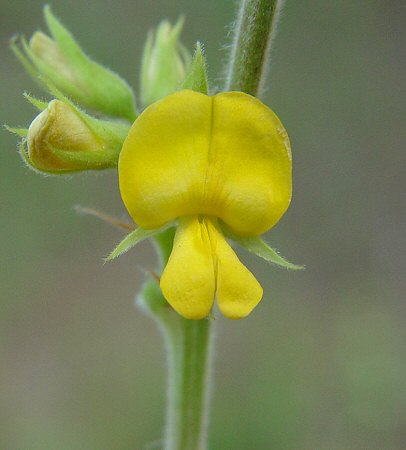
    Rhynchosia tomentosa flower

    Flowering – May – August.

    Habitat – Open woods, clearings, sandhills, flatwoods, roadsides.

    Origin – Native to North America.

    Other information – This attractive species can be found throughout much of Alabama. The plant can be identified by its trifoliolate leaves, hirsutulous to tomentose stems, and fairly large yellow flowers.
    The genus name Rhynchosia derives from the Greek “rhynch(o)” meaning “a beak, snout” referring to the keel of the flowers.
    The species epithet tomentosa derives from the Latin “toment(os)(um)” meaning “dense hair, stuffing” referring to the hairiness of the plant.

    Alabama Distribution:
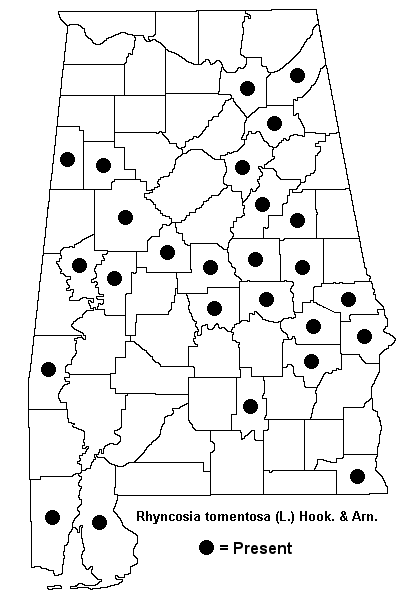
    Rhynchosia tomentosa map

    Photographs taken off Hwy 21 near Furman, AL., 6-4-05.

  • Vernonia angustifolia Plant Identification (Flower, Leaf, Care, Uses)

    Vernonia angustifolia Michx. – Tall Ironweed

    Vernonia angustifolia plant

    Family – Asteraceae

    Stems:

    Vernonia angustifolia stem

    Leaves:

    Vernonia angustifolia leaves

    Inflorescence:

    N/A

    Involucre:

    Vernonia angustifolia involucre

    Ray flowers:

    Absent.

    Disk flowers:

    Vernonia angustifolia flowers

    Flowering – June – September.

    Habitat – Sandy open ground, sandy woods, sandhills, dry hammocks, roadsides, old fields, pine barrens.

    Origin – Native to North America.

    Other information – This striking species can be found mainly in the southern half of Alabama. The plant is easy to identify becasue of its linear leaves, pubescent stems and acute phyllaries. Although the plant is commonly called “Tall Ironweed” it only grows to about 1.2m tall. Other species of Vernonia get much taller.
    The genus is named for William Vernon (16? – 1711). Vernon was an English botanist who studied plants in North America.
    The species epithet angustifolia derives from the Latin “angust(i)” meaning “narrow” and “foli” meaning “a leaf.”

    Alabama Distribution:

    Vernonia angustifolia map

    Photographs taken off Lee Rd 54, Lee County, AL., 8-30-04.

  • Cyperus haspan Plant Identification (Flower, Leaf, Care, Uses)

    Cyperus haspan L. – Haspan Flatsedge

    Cyperus haspan plant

    Family – Cyperaceae

    Stems:

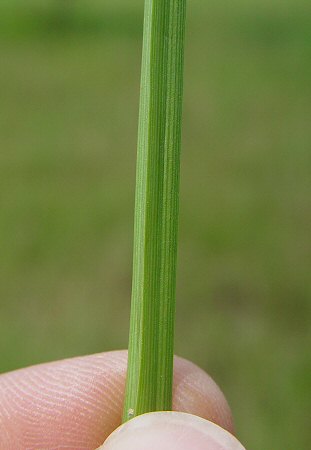
    Cyperus haspan stemStem.

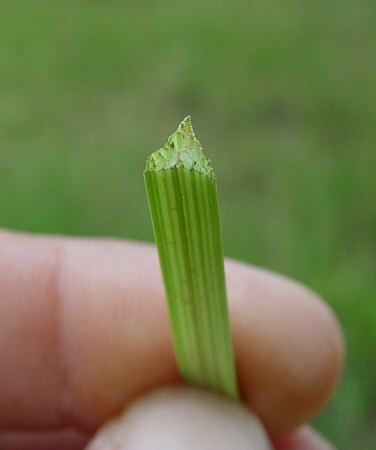
    Cyperus haspan stemStem in cross section.

    Leaves:

    N/A

    Inflorescence:

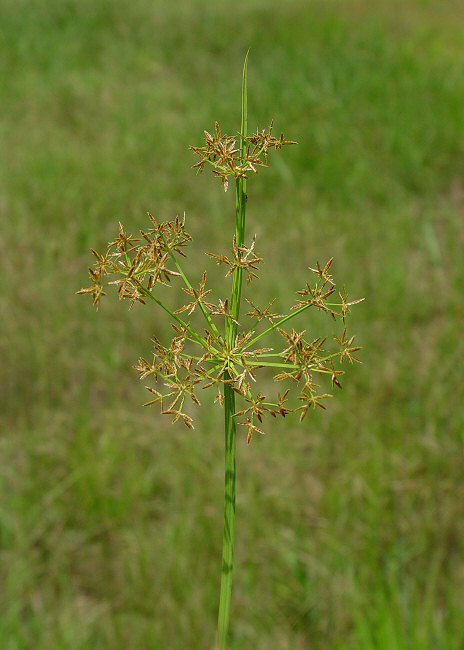
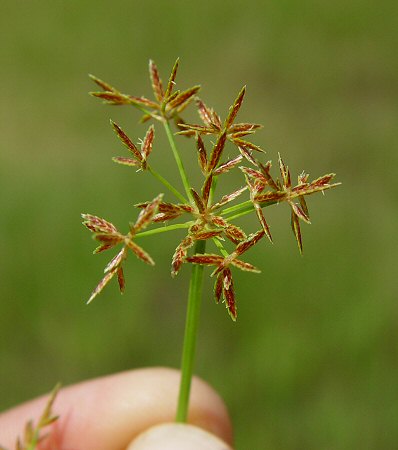
    Cyperus haspan inflorescence

    Flowers:

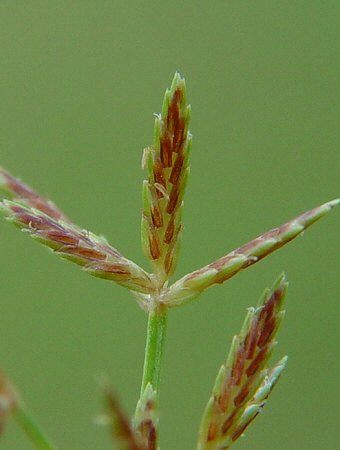
    Cyperus haspan spikeletSpikelet close-up.

    Flowering – July – October.

    Habitat – Marshes, bogs, lake and pond margins, ditches, low fields.

    Origin – Native to North America.

    Other information – This species can be found mainly in the southern half of Alabama. The plant can be identified by its sharply trigonous stems, compressed spikelets, and trigonous fruits.
    The genus name Cyperus is from the Greek “cyper(us)” meaning “a rush or sedge.”

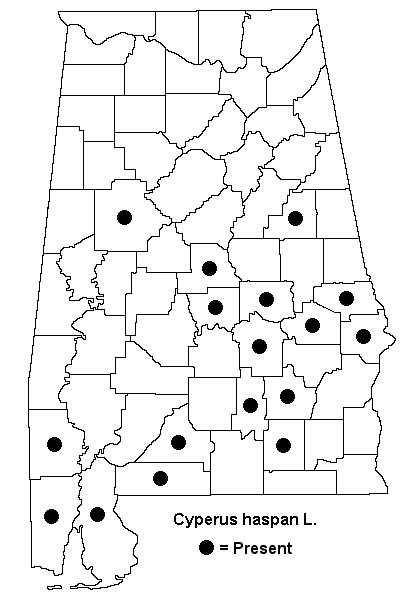
    Alabama Distribution:

    Cyperus haspan map

    Photographs taken off Lee Rd 27, Auburn, AL., 9-9-05.
  • Fumaria officinalis Plant Identification (Flower, Leaf, Care, Uses)

    Fumaria officinalis L. – Drug Fumitory, Earthsmoke

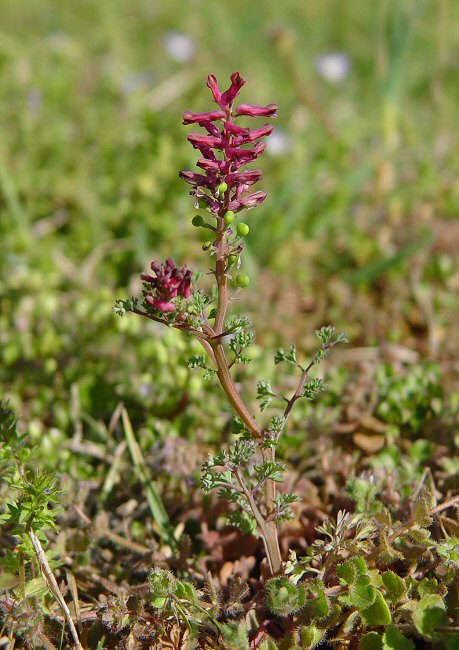
    Fumaria officinalis plant

    Family – Fumariaceae

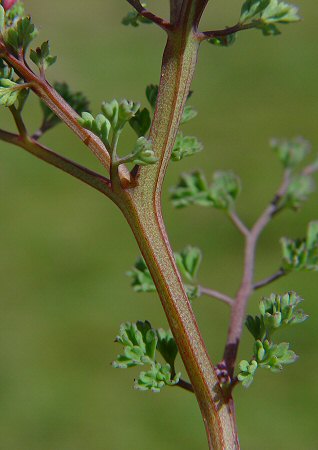
    Stems:

    Fumaria officinalis stem

    Leaves:

    N/A

    Inflorescence:

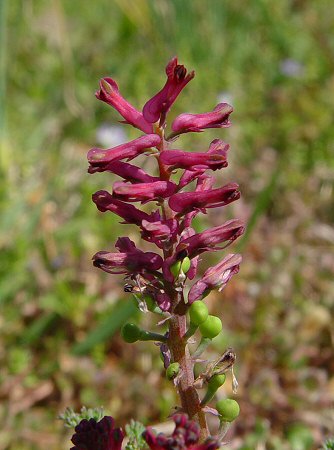
    Fumaria officinalis inflorescence

    Flowers:

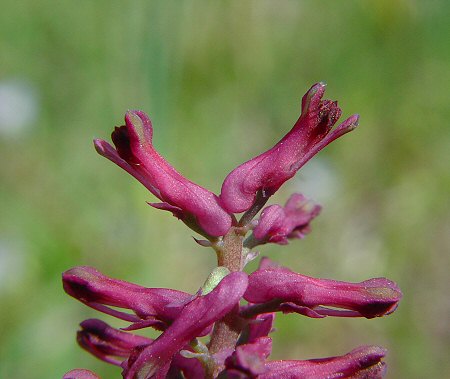
    Fumaria officinalis flowers

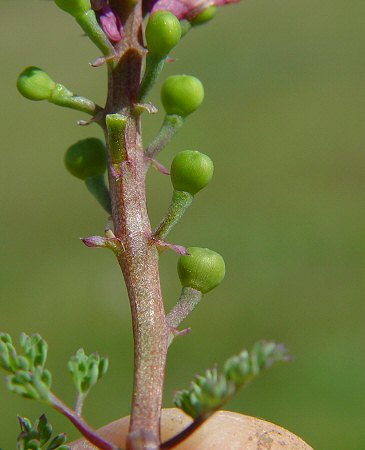
    Fumaria officinalis fruitDeveloping fruits.

    Flowering – March – May.

    Habitat – Fields, waste places, roadsides, disturbed areas, waste places.

    Origin – Native to Eurasia.

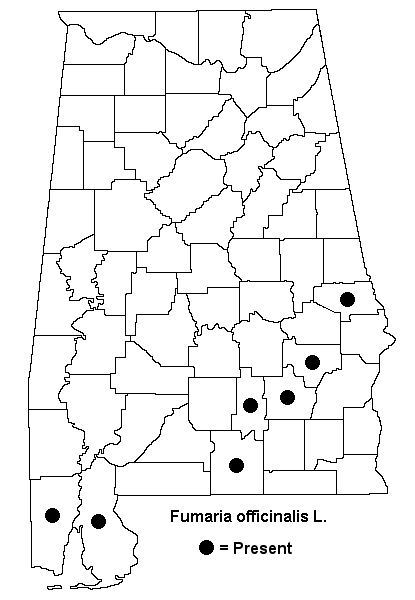
    Other information – This striking but weedy species can be found mainly in the southern portions of Alabama but it is likely found throughout the state. The plant is easy to identify becasue of its angled stems, finely divided leaves, and irregular, dark-pink flowers.
    The genus name Fumaria derives from the Latin “fum” meaning “smoke.” The plant was probably named becasue of the nitrous odor of the roots when crushed or bruised.
    The species epithet officinalis means “of the shops, of the apothecaries, official medicines” becasue of the plants early reputation for being a medicinal herb.

    Alabama Distribution:

    Fumaria officinalis map

    Photographs taken on the Auburn University Campus, 3-6-05.
  • Viola primulifolia Plant Identification (Flower, Leaf, Care, Uses)

    Viola X primulifolia L. (pro sp.) – Primrose-Leaf Violet

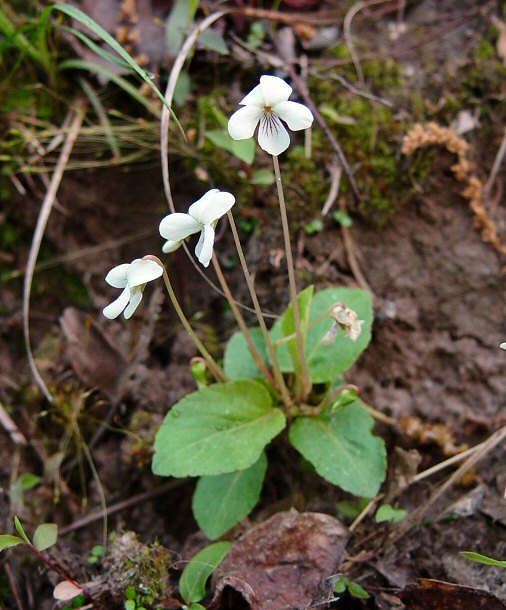
    Viola primulifolia plant

    Family – Violaceae

    Stems:

    N/A

    Leaves:

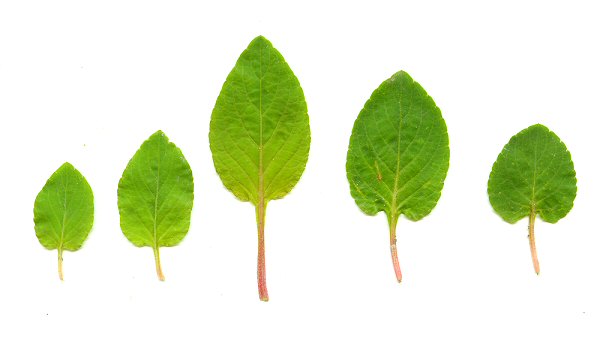
    Viola primulifolia leaves

    Inflorescence:

    N/A

    Flowers:

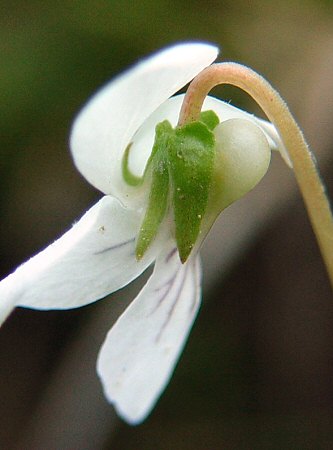
    Viola primulifolia calyx

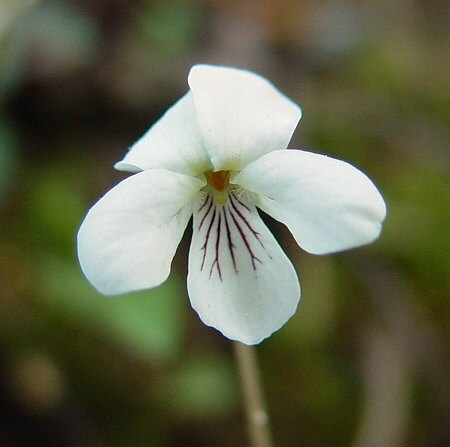
    Viola primulifolia flower

    Flowering – February – May.

    Habitat – Flatwoods, bogs, hammocks, pond and stream margins, savannahs, pocosins.

    Origin – Native to North America.

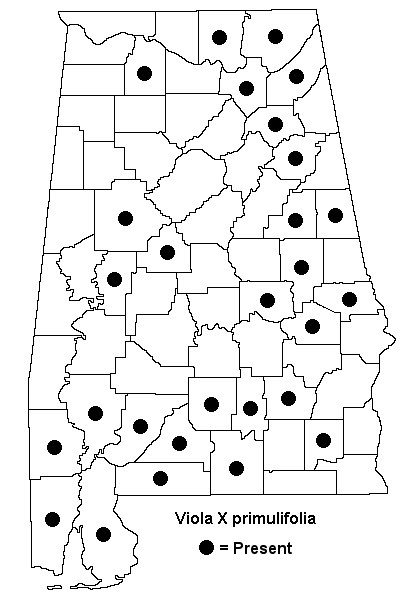
    Other information – This plant can be found mainly in the southern and eastern portions of Alabama. The plant used to be classified as a distinct species. At the present time it is believed that the plant is a hybrid between V. lanceolata L. and V. macloskeyi (Banks) C.L. Hitchcock. The plant is fairly easy to identify becasue of its small white flowers, habitat, and subcordate leaves.
    The genus name Viola is the classical Latin name for the violets.
    The species epithet means “leaves of primrose” from the Latin “primul” meaning “the primrose” and “foli(a)” meaning “a leaf”.

    Alabama Distribution:

    Viola primulifolia map

    Photographs taken off Hwy 29, Guilford County, NC., 4-23-03.

  • Seriocarpus asteroides Plant Identification (Flower, Leaf, Care, Uses)

    Sericocarpus asteroides (L.) Britt. et al. – Toothed Whitetop Aster

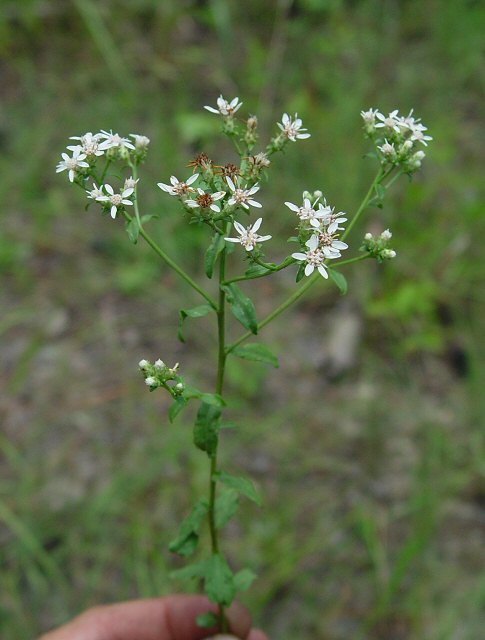
    Seriocarpus asteroides plant

    Family – Asteraceae

    Stems:

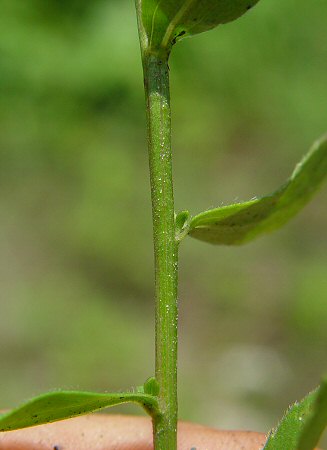
    Sericocarpus asteroides stem

    Leaves:

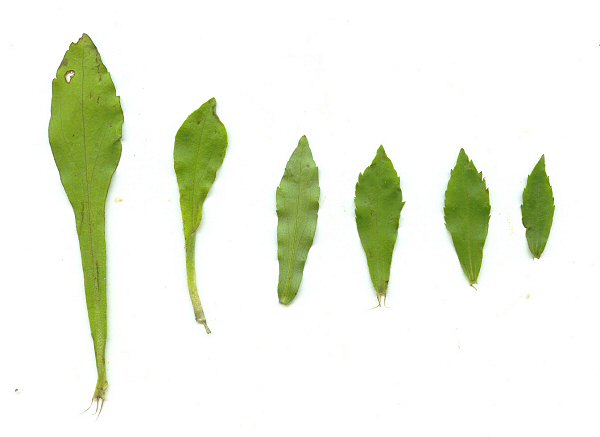
    Sericocarpus asteroides leaves

    Inflorescence:

    N/A

    Involucre:

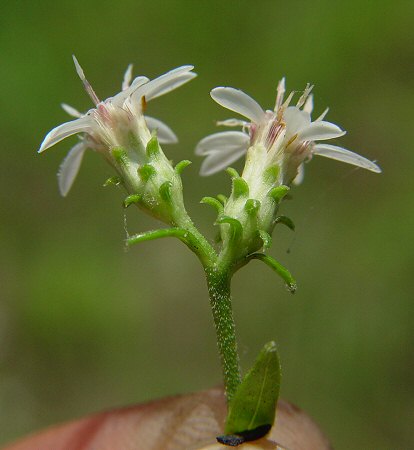
    Sericocarpus asteroides involucre

    Ray Flowers:

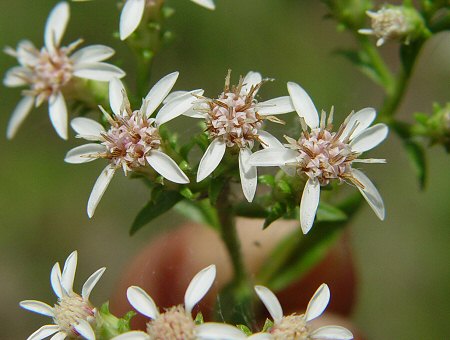
    Sericocarpus asteroides flowers

    Disk Flowers:

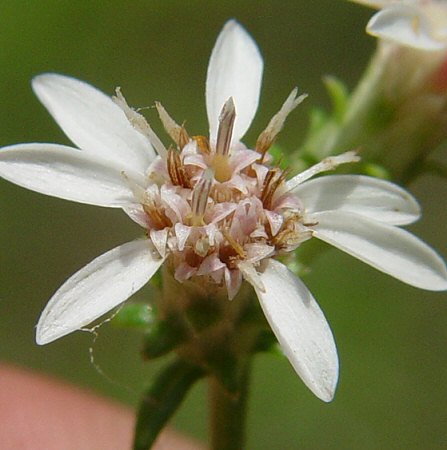
    Sericocarpus asteroides disk

    Flowering – June – August.

    Habitat – Hammocks, road banks, thickets.

    Origin – Native to North America.

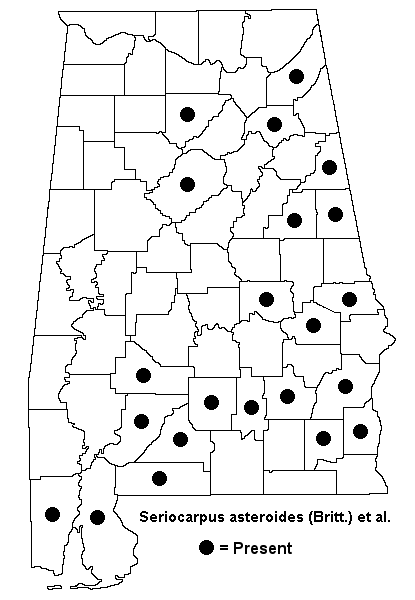
    Other information – This attractive little species can be found throughout Alabama. The plant is easy to identify becasue of its toothed leaves, white ray flowers, and spreading phyllaries. The apices of the phyllaries are green and the bases are white.
    The genus name Sericocarpus derives from the Greek “seric(o)” meaning “silk” and “carp(us)” meaning “fruit” referring to the silky hairy achenes of this genus.
    The species epithet asteroides derives from the Greek “oid” meaning “like, form.” The name means “resembling an Aster” which is another genus of the Asteraceae.

    Alabama Distribution:

    Sericocarpus asteroides map

    Photographs taken at Fort Benning, GA., 7-3-05.
  • Hepatica acutiloba Plant Identification (Flower, Leaf, Care, Uses)

    Hepatica acutiloba DC. – Liverleaf
    Hepatica acutiloba plant

    Family – Ranunculaceae

    Stems:

    N/A

    Leaves:

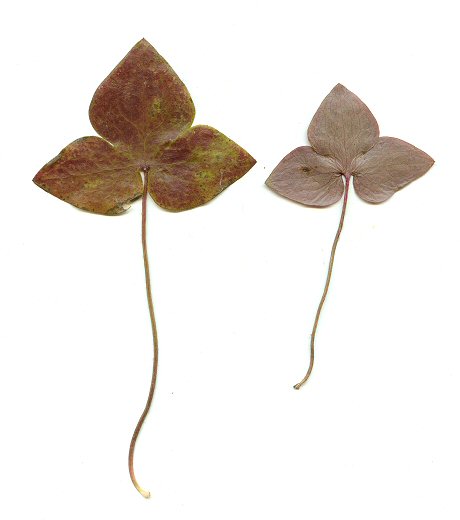
    Hepatica acutiloba leaves

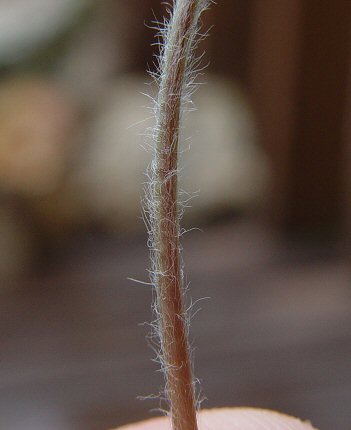
    Hepatica acutiloba pedicelPedicel.

    Inflorescence:

    N/A

    Flowers:

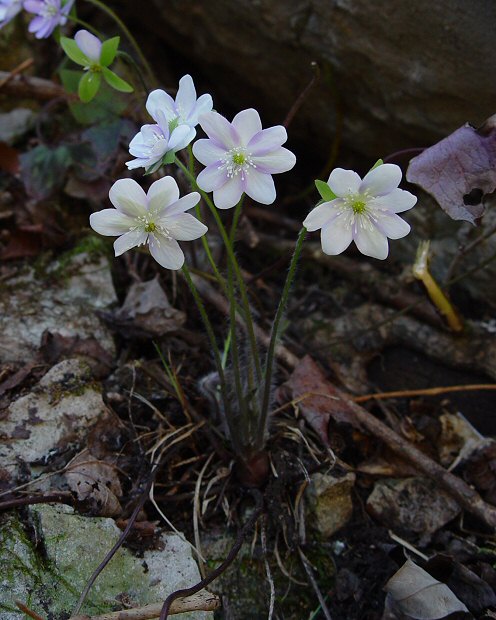
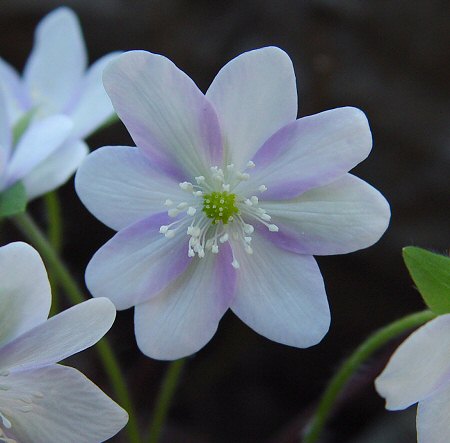
    Hepatica acutiloba flower

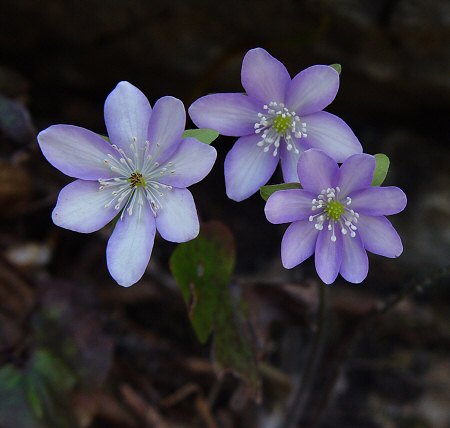
    Hepatica acutiloba flowers

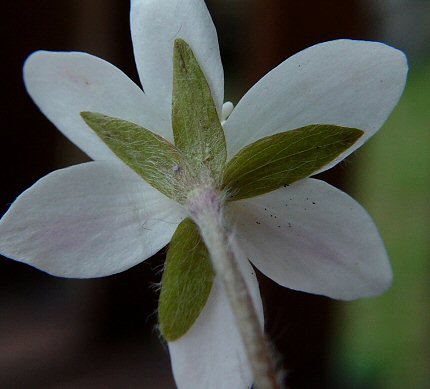
    Hepatica acutiloba bracts

    Flowering – March – April.

    Habitat – Rich woods, rich soils of rocky slopes, base of bluffs.

    Origin – Native to North America.

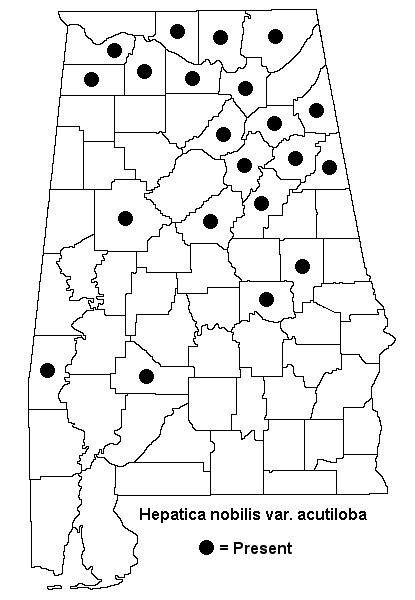
    Other information – This species can be found mainly in the northern half of Alabama. The plant is easy to identify becasue of its pointed, three-lobed leaves, and distinctive flowers. The plant blooms very early and is easily seen against the early spring forest floor.
    The genus name Hepatica derives from the Greek “hepa(t)” meaning “the liver” referring to the shape of the leaves resembling a human liver.
    The species epithet acutiloba derives from the Latin “acut” meaning “sharp, pointed” and he Greek “lob” meaning “a lobe” referring to the pointed lobes of the leaves.

    Alabama Distribution:

    Hepatica acutiloba map

    Photographs taken at Whetstone Conservation Area, Callaway County, MO., 3-19-04, and at the Walls of Jericho, AL., 3-4-06.

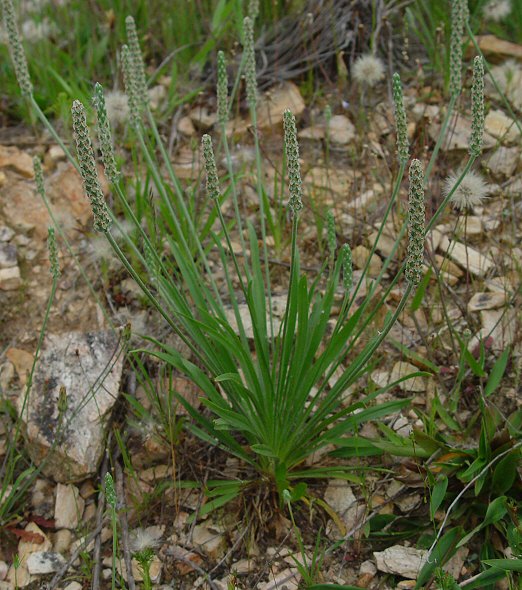
  • Plantago wrightiana Plant Identification (Flower, Leaf, Care, Uses)

    Plantago wrightiana Decne. – Wright’s Plantain

    Plantago wrightiana plant

    Family – Plantaginaceae

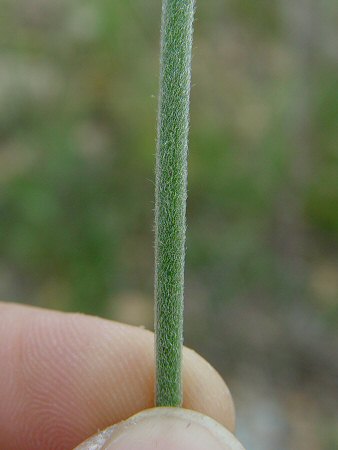
    Stems:

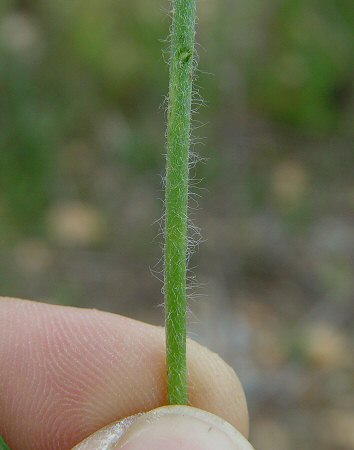
    Plantago wrightiana scapeLower portion of flowering scape.

    Plantago wrightiana scapeUpper portion of flowering scape.

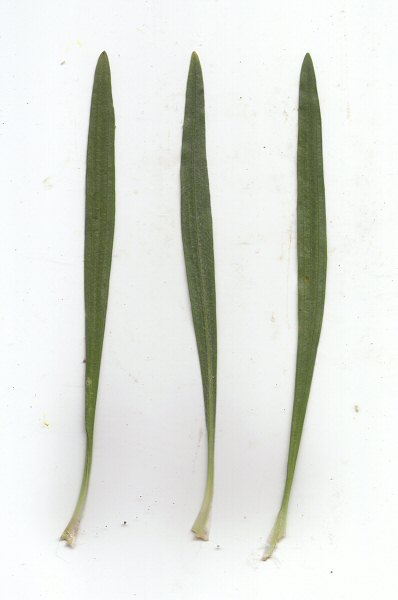
    Leaves:

    Plantago wrightiana leaves

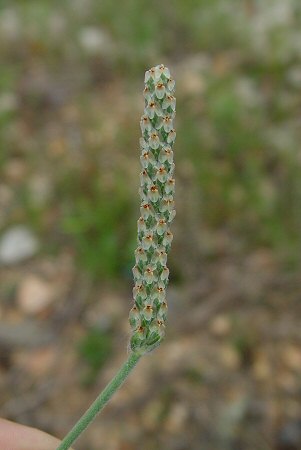
    Inflorescence:

    Plantago wrightiana inflorescence

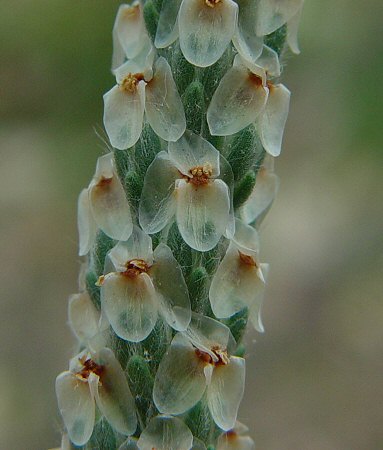
    Flowers:

    Plantago wrightiana flowers

    Flowering – April – June.

    Habitat – Disturbed sites, waste places, roadsides.

    Origin – Native to North America.

    Other information – This species can be found mainly in southern Alabama but is undoubtedly more common than is reported. The plant can be identified by its long, thin leaves, pubescent scapes, dense inflorescences, and pilose sepals.
    The genus name Plantago derives from the Latin “plant(a)” meaning “the sole of a foot (footprint), a plant.”
    The species epithet wrightiana is named in honor of Charles Wright (1811-1885). Wright was an American botanical collector from Connecticut who collected in Texas, Mexico, New Mexico, Niacaragua, and Cuba.

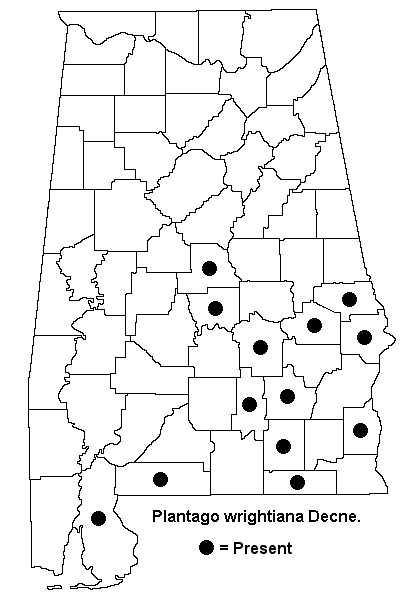
    Alabama Distribution:

    Plantago wrightiana map

    Photographs taken off Lee Rd 27, Auburn, AL., 4-30-06.

  • Helianthemum corymbosum Plant Identification (Flower, Leaf, Care, Uses)

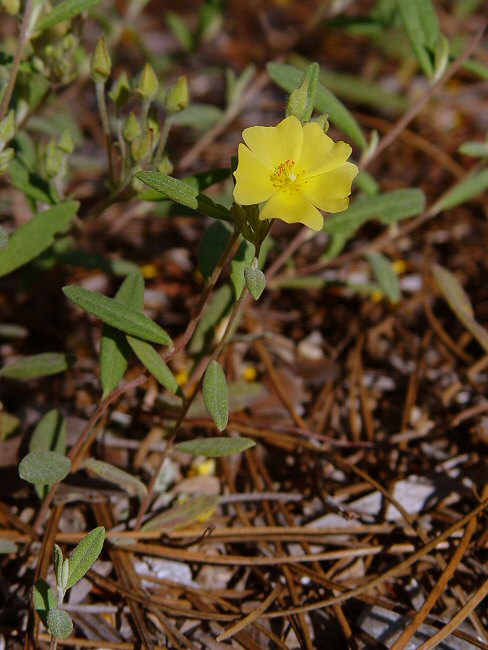
    Helianthemum corymbosum Michx. – Pinebarren Frostweed

    Helianthemum corymbosum plant

    Family – Cistaceae

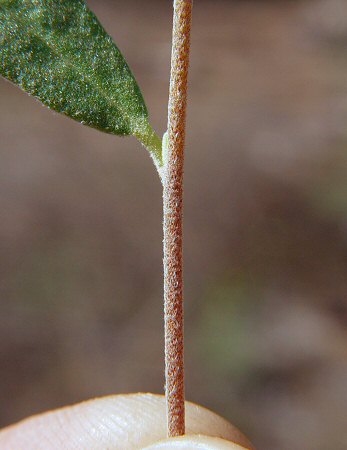
    Stems:

    Helianthemum corymbosum stem

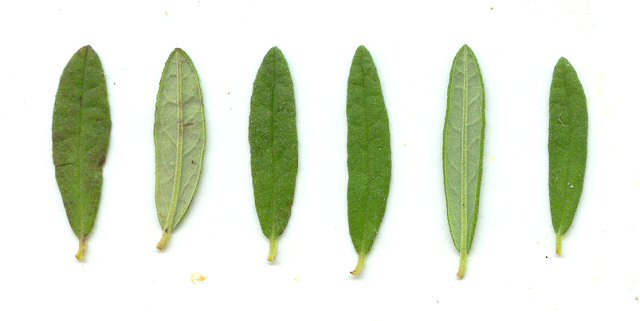
    Leaves:

    Helianthemum corymbosum leaves

    Inflorescence:

    N/A

    Flowers:

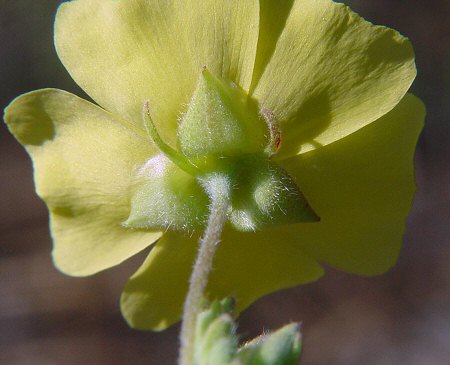
    Helianthemum corymbosum calyxCalyx.

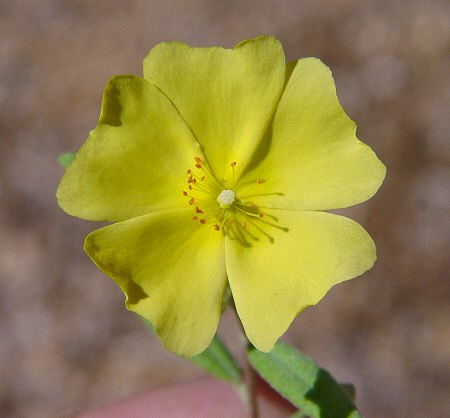
    Helianthemum corymbosum flower

    Flowering – March – June.

    Habitat – Sandhills, dunes, dry, open hammocks.

    Origin – Native to North America.

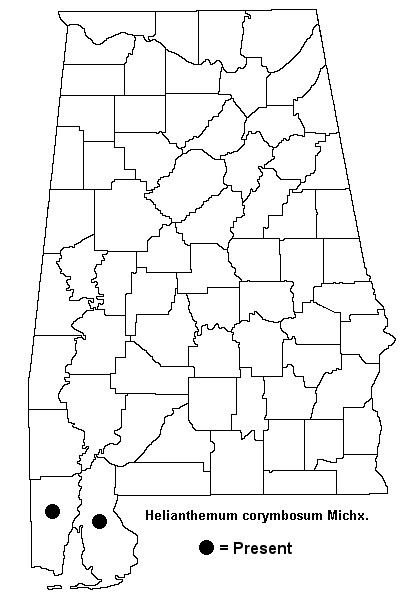
    Other information – This showy little species can be found in extreme southern Alabama. The plant can be identified by its habitat, tomentose stems and abaxial leaf surfaces, glabrous ovaries and fruits, and cymose inflorescences.
    The genus nameHelianthemum derives from the Greek “helio” meaning “the sun” and “anthem” meaning “a flower” becasue the flowers open only in sunlight and only for one day. The petals are shed that same night or the following day.
    The species epithet corymbosum derives from the Greek “corymb” meaning “the top, summit, a cluster of flowers” referring to the clusters of terminal or sub-terminal flowers of this species.

    Alabama Distribution:

    Helianthemum corymbosum map

    Photographs taken at St. George Island State Park, FL., 3-29-05.

  • Anthaenantia villosa Plant Identification (Flower, Leaf, Care, Uses)

    Anthaenantia villosa (Michx.) P. Beauv. – Green Silkyscale

    Anthaenantia villosa plant

    Family – Poaceae

    Stems:

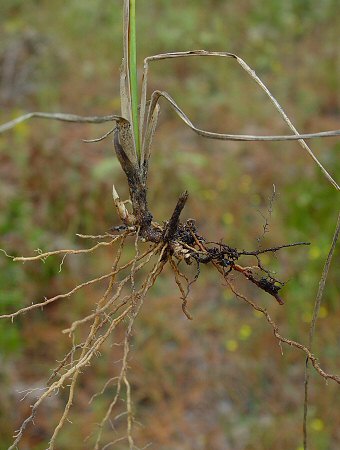
    Anthaenantia villosa baseBase of plant.

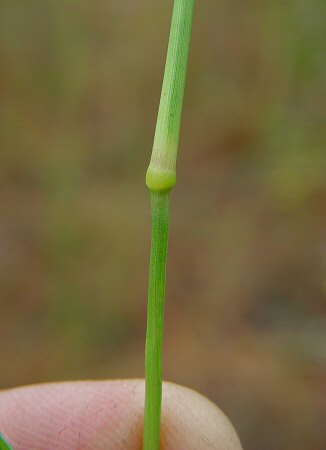
    Anthaenantia villosa nodeNode.

    Leaves:

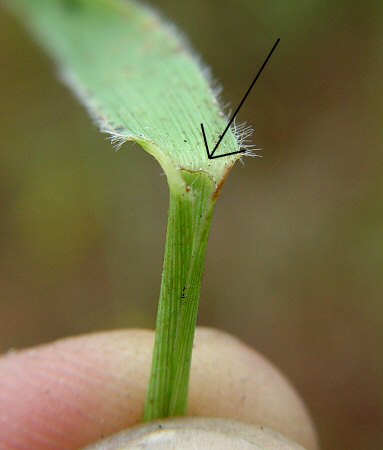
    Anthaenantia villosa liguleArrow shows small, hairy ligule.

    Inflorescence:

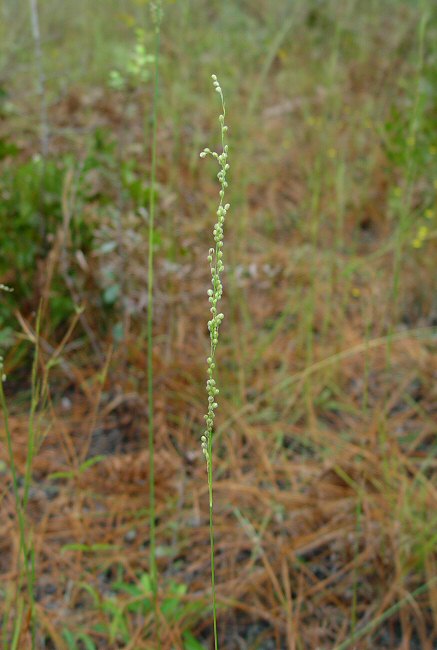
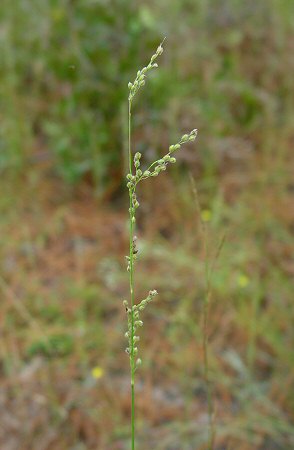
    Anthaenantia villosa inflorescenceMature inflorescence.

    Flowers:

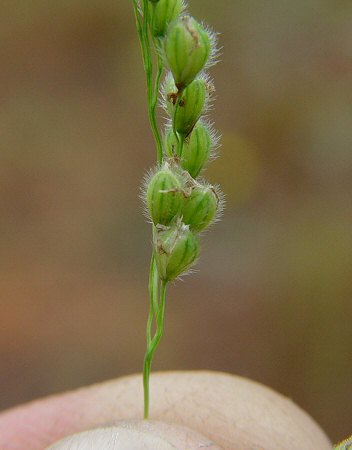
    Anthaenantia villosa fruitSpikelets…

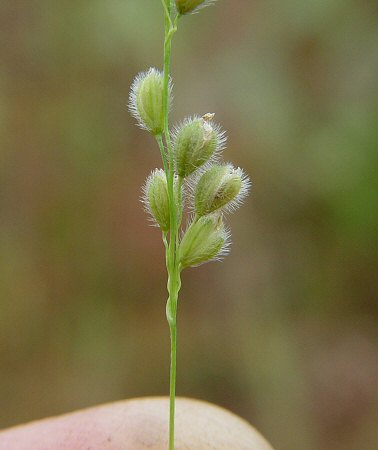
    Anthaenantia villosa fruit…again.

    Flowering – September – November.

    Habitat – Sandhills, pinelands, flatwoods.

    Origin – Native to North America.

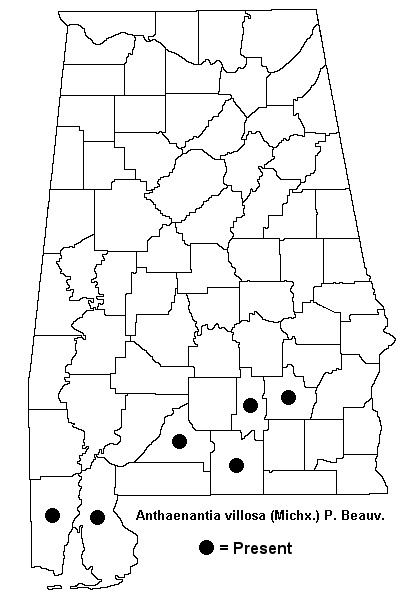
    Other information – This species can only be found in the most southern Alabama counties where its sandhill and pineland habitats exist. The grass is fairly easy to identify becasue of its hairy, rounded spikelets. Another species, A. rufa (Nutt.) Schult., is similar but has much thinner leaves and longer hairs on the fruits. This latter species likes more moist habitats.
    The species epithet villosa derives from the Latin “villos” meaning “hairy” referring to the spikelets.

    Alabama Distribution:

    Anthaenantia villosa map

    Photographs taken at Fort Benning, GA., 10-9-05.