Category: Insect Controls

  • How to Get Rid of Stink Bugs: 12 way to kill stink bugs for indoor plants (Updated for 2023)

    Brown stink bug or brown marmorated stink bug (Halyomorpha halys)  belong to family Pentatomidae and are reportedly true bugs like cicadas, aphids, and hoppers and pose serious threats to garden plants along with emitting an annoying odor that creates irritation for the gardens especially if they are found on indoor plants. They are also called Shield bugs while One-spotted stink bugs also exist on the plants but not taken as a serious threat. They are basically migratory pests, native to eastern Asia, widely spread into North America and Europe as well. The presence of Brown marmorated stink bug is considered a serious threat for the gardeners that need immediate attention because it feeds on a variety of plants including fruits, berries, vegetables, tree nuts, and ornamental plants.
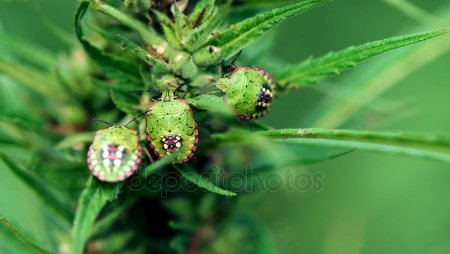
    Brown Marmorated Stink bug adopts 3 prone strategies to damage garden plants by killing seedling, causing stunted growth and suckering. The adults appear in spring and start feeding on plants while the offspring formed during the summer overwinter inside the residential building causing severe infestations by releasing odors that are unbearable for the residents. The best strategies may be adopted at the start of spring and during summers to get rid of stink bugs whereas in fall for the offsprings and eggs.
    If you are fed up with all the stink bugs play and finally looking for answers of what kills stink bugs or how to kill stink bugs? Then below are a few remedies mentioned for you.
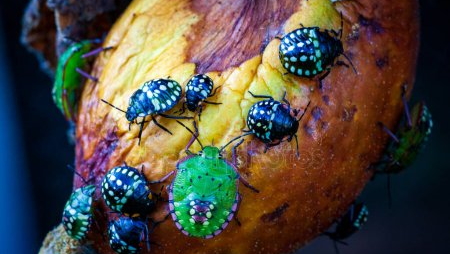
    How to kill stink bugs?

    #1 CimeXa Insecticide dust (Chemical-Editors’ choice)
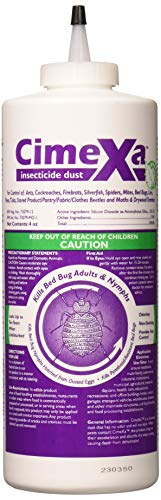
    This product helps in killing many home pests including mites, bed bugs, ticks, fleas, stink bugs, cockroaches, silverfish, spiders, and many more. It is 100% silica dust and is odorless. If applied to areas that are not disturbed over the years, like the wall voids, then its effect will last for more than 10 years.
    It should be applied directly to the required areas and should never be swallowed. Use a safety kit while using it.

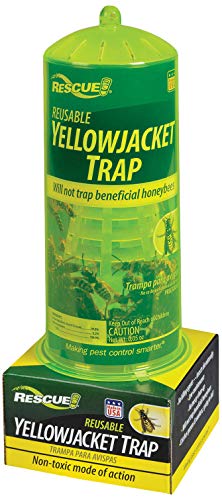
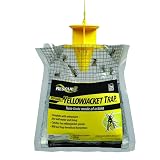
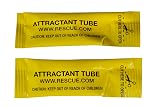
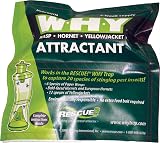
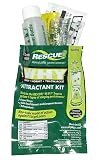
    #2 Stink Bug Attractant- Rescue (Natural-Editors’ choice)
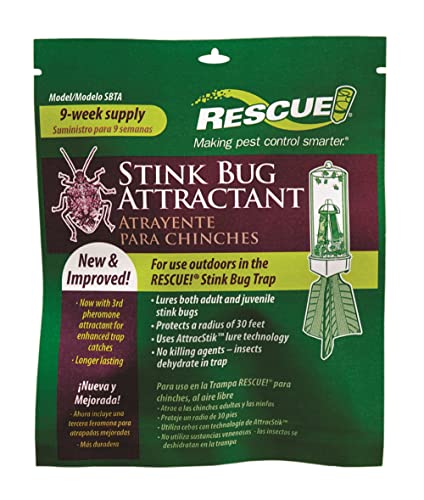
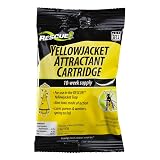
    It is a stink bug trap. It attracts the stink bugs towards it in the 10 meters radius. It attracts both males & females together. One pack will be enough for about 9 weeks and will be required to bought again. Generally, it produces no odor for humans or the person living indoors. It can work in houses, gardens and even around fruit plants without hurting them. It kills insects with dehydrating them, thus no poison is being used in its making.
    The product is placed in the Stink Bug Trap by Rescue and might be left hanging or placed on a plain surface.

    #3 Stink Bug Killer – Harris
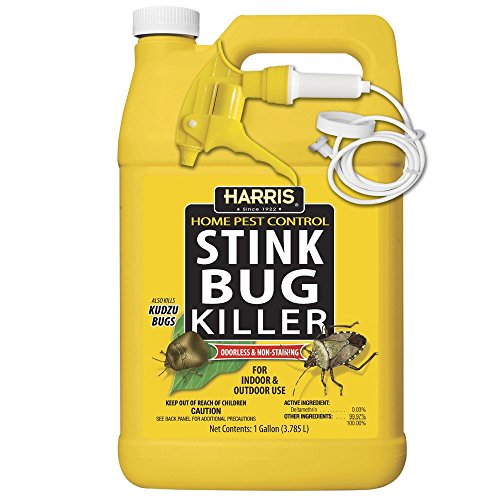
    It is ready to use, odorless formula & is among one of the environment-friendly products. Apply Sting Bug Killer to the infested areas. It will start its work once it is dried up. It comes with a package of trigger sprayers too that make your job more easy & precise. This product does not leave any stains so its application on clothes and garments is not restricted. Since it is ready-to-use, no additional efforts needed to make solutions or mixing it into water.

    #4 Ohuhu Bug Catcher Vacuum
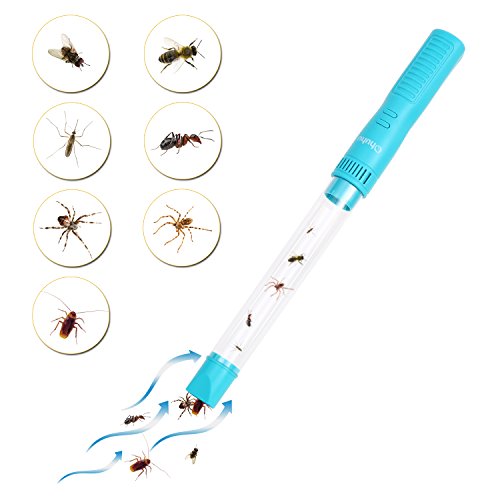
    It is a small vacuum that can suck any unwanted small living insects or pests like stink bugs. From spiders to stink bugs, it can almost catch everything. No chemical is required for it, making it both non-toxic and environmentally friendly. It catches the bugs physically without causing them any harm, thus there will no need to kill them. No physical killing means no more odors associated with stink bugs. For night usage, it is even equipped with an LED.
    Just charge the vacuum and when required aim at the insect while pressing the button “IN”. Clean the carton when required.

    #5 Stinkbug Naturals- Lavender Stick
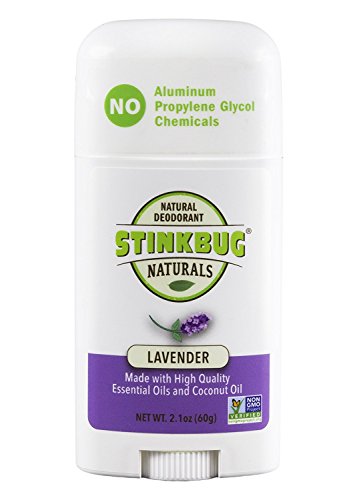
    If the question ‘Do stink bugs bite?’ ever hits your mind, then you should know that they do bite but that rare. They normally feed on the undersides of the plants. To save yourself from such rare biting, this product will help you deter all biting bugs.
    It is made up of high-quality coconut oil in addition to many beneficial essential oils as well. It does not have any hidden products other than the mentioned ones. No synthetic material is being used in the formulation and is manufactured in the United States. It comes in many more flavors too.
    Just apply this stick to your skin and it will keep you safe from the stink bugs bites.

    #6 Bifen I/T insecticide

    It is a unique formula that contains 7.9% bifenthrin. Bifenthrin formulations are a systemic insecticide that kills a variety of pests including stink bugs on cannabis plants, vegetables, ornamentals, and turfgrasses. Luckily stink bugs are one of the Bifen I/T targets. It is the most common choice of professionals that are involved in urban pest control. Bifen will not leave any sort of visible stains or odor. It comes with protective gloves and masks too.
    Wear the protection kit before using it. For 1 gallon of water, its quantity may vary from 0.1 to 2 ounces. This varying quantity depends on the type of targeted pest and the area of application. Read label instructions carefully & confirm whether it is permitted in your state or not before purchase.

    #7 Talstar Professional Insecticide

    Again, a similar formula is used in Bifen I/T  but with a more authentic brand. Definitely, professionals use it for more precise targeting and handling indoor & outdoor garden pests including stink bugs and 75 other listed pests on your garden plants. Some of them are stink bugs, Earwigs, Scorpions, Spittlebugs, Bed bugs, Ticks, etc. This product once sprayed can keep that area insect-free for 2-3 months. It does not contain any alpha-cyan-group and is soluble in water. It comes with a safety kit too.
    Mix ¾ gallons of water with 0.5-1 ounce of the product and spray using a hand-held sprayer till the plants get completely covered with a fine mist. Once sprayed, reapply after every 2-3 months for permanent and continuous prevention of the plants and homes from stink bugs.

    #8 FenvaStar EcoCap
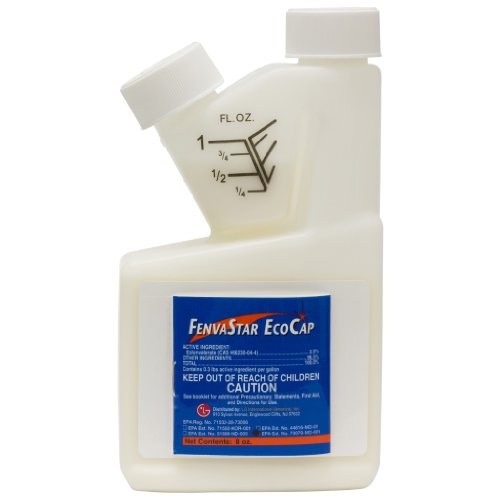
    The active component for this product is Esfenvalerate. Its 3.5% Esfenvalerate formula can be used both indoors, as well as outdoors. It can kill mites, bed bugs, stink bugs, spiders, ants and many more. This product can even be used on livestock and poultry areas.
    Mix about 1-2 ounces of the product with 1 gallon of water and shake it well. Later apply it with a hand-held sprayer on all garden plants including vegetables, fruits, and herbs. Apply it using a 2-second burst of spray. This will provide a long-lasting effect with little residual effects on edible greens. Avoid using on microgreens and herbs as some harvests need to delayed due to their long residual effects.

    #9 Eco Defense- HOME PEST
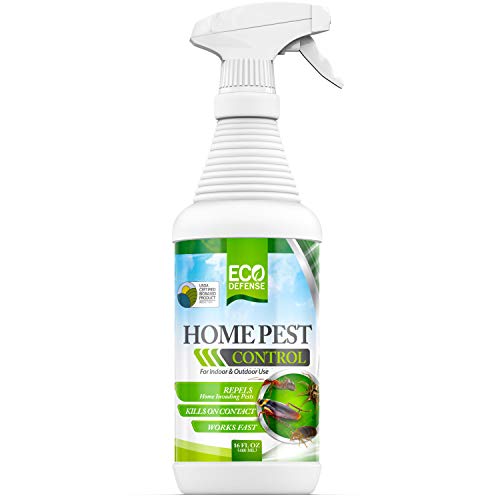
    It naturally kills all the household pests. It works rapidly and has long-lasting effects. Once applied, it keeps the pests from coming back. It does not contain any dangerous poisons or harmful fumes, thus will ensure your family safety. It contains plant oils so not associated with bad odor indoor & outdoor as well.
    Shake the bottle well before use and apply on the areas like the corner of the windows and doors along with other hiding places in stores and garage etc.

    Home remedies to kill stink bugs

    #10 Essential Oils

    Essential oils are the best repellent for stink bugs. Not only they make your home stink bug free but also make it fragrant. Just mix 10 drops of essential oils of mint in 16 ounces of water and spray at their all possible hiding locations.

    #11 Neem Oil
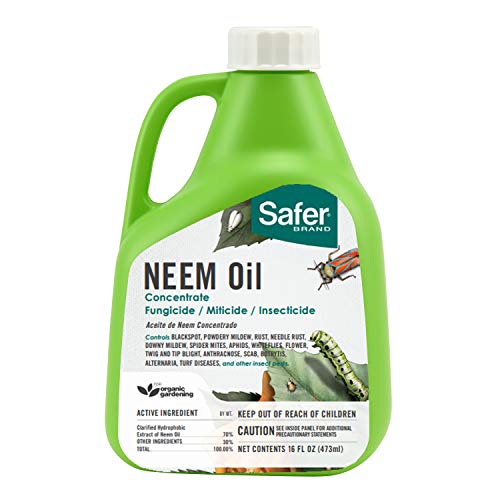
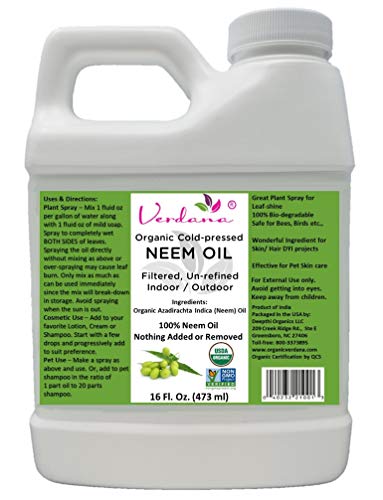
    Neem oil is one of the best natural insecticides. It interferes with the basic behaviors of the pests. It is quite consuming and may take a week or so to work. Take 2 teaspoons of the neem oil and mix with 32 ounces of water for the perfect spray. Mix it well and spray the affected areas using a mist sprayer.

    #12 Garlic Spray
    Apply this spray where the stinks bugs are most likely to appear. Make this spray by adding 4 teaspoons of the garlic powder with about 2 cups of water. It should be sprayed on windowsills too. Its odor will keep the stink bugs and many other pests, away.

    What are stink bugs?

    Adult buds are 12 to 17 mm long having a typical brown shield over their bodies, spotted with a reddish touch, stripped antennae and stripped body. They are brown true bugs of serious nature that feed on plant sap by inserting their needle-like mouthparts into the leaves, tender stems, shoots, and seed pods. While inserting their stylus into the plant tissues, they remove sap and inject toxins into leaves or shoots where they bite that causes puncturing of the leaves surfaces that lead to further infestations during the growing season. The damages symptoms can be noted on the garden plants that appear like needle holes on the surface being attacked by them. The damages are prevalent on seedling, tender shoots, on the surface of the leaves, and tillers of the plants along with oily secretions where they had fed.

    Where do stink bugs come from?

    As already discussed that they are migratory pests that came from Eastern Asia a few years ago and became a pest of serious nature for the agriculture and gardening plants in the US whereas they have long overwintering capability that makes them appear in the gardens at the end of spring in the US. Like all other true bugs, stink bugs grow by simple metamorphosis while developing an adult from the eggs. Female stink bugs lay their eggs in clusters of 25-30 on the undersides of the leaves that hatch in a week to become nymph that takes another 5-6 weeks to become an adult after passing the molting process.

    What do stink bugs look like?

    The size of adults may vary from ½ inch to ¾ of an inch, shielded bodies with piercing needles like mouthparts, light to dark brown upper skin and yellow to green undersides make them shield shape insects that look larger and flattened as they actually are.

    What do stink bugs eat?

    As a nymph, they primarily feed on the undersides of the leaves where they hatch whereas on become motile, they leave no choice to feed on any of the available green-scape whether it is a fruit tree, microgreens, vegetables, turf grasses, vines, cereals or ornamental plants. They merely feed on the cannabis that shows that are not a crop-specific pest.

    How long do stink bugs live?

    Primarily, their life is dependent on the number of environmental and ecological factors such as temperature, humidity, sheltering, predators and available food intake. Under moist and humid conditions, they may live for 6 to 8 months and have only 1 generation in a year. Their longevity is the main reason for their damages while the winter forces them to take shelter inside residential areas to find a suitable temperature to survive.

    What do stink bugs smell like?

    Their smelly odors like strong cilantro and coriander are deeply associated with their defense mechanism that often activates when they are disturbed, displaced or killed. Their glands contain that smelly liquid which they keep stored until some attack is feared by them. The gland that stores these smelly secretions is in the metathorax. These secretions are named hex-2-enal, oct-2-enal, and dec-2-enal as per their classifications that make these adult pentatomic odors while the majority of the gardeners and residents are feared of these smells and get annoyed. While disturbed or treated the outdoor, they do secrete these liquids but not noticed due to open climates but they are disturbed or killed inside the house, it’s unbearable. Adopt any of the best strategies that keep them away from your indoors while creating a little disturbance for these crazy creatures.

    What attracts stink bugs?

    Aggregation pheromone is a safety alarm for other sting bugs when already a few stink bugs are hiding in your garden or indoor and they consider it a safe place to invite others to the same environment. Generally, a pheromone is released upon finding an appropriate place that shelters them for overwintering. It’s an aroma smell and doesn’t resemble that of bad smell, they are notorious for.

    What attracts stink bugs to your house?

    The stink bugs have multiple choices and multiple seasons to make a stunning entry to your garden or house through great outdoors. Spring & summers invite them to your garden while in fall, they search for cracks, gaps, and holes in residential structures to get enter your house.
  • How to get rid of grasshoppers: 10 way to kill grasshoppers for plants (Updated for 2023)

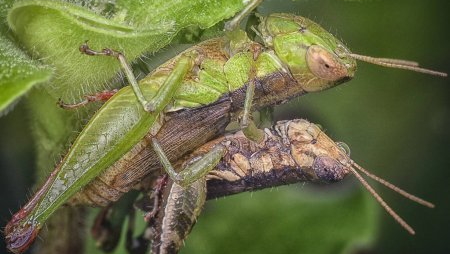
    Grasshoppers are a large group of herbivorous insects that belong to the suborder Caelifera with the evidence of their presence dating back to more than 250 million years which typically live near the surface of the ground with energetic hind legs that they use to leap from one place to another. The best places to find them are with a generous amount of food such as grasses, leaves and excessive vegetation in your garden. They are voracious eaters and can eat 16 times to their body weight in a day. They are busy eating during the entire day but in the urban environment, they eat during the night as well. Having no nesting habit, they are considered migratory to locate their foodstuff even at very long distances. Especially, during the summer in temperate regions, there is always a threat for invading them to a lush green garden either it’s your or anyone else in the neighbor.
    Let’s look into the best possible strategy to get rid of grasshoppers ahead of time using different practices.

    How to kill grasshoppers?

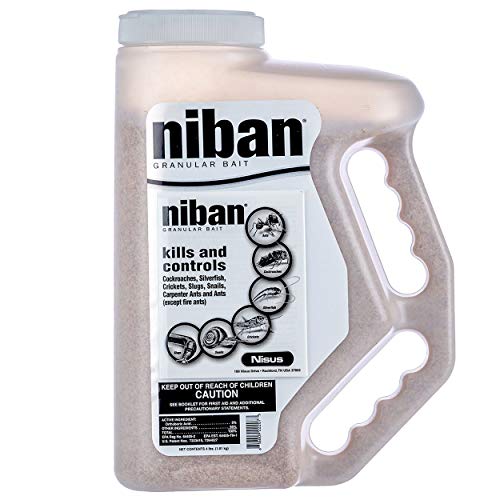
    #1 Niban Granular Pest Control Insecticide Bait (Chemical – Editors’ Choice)

    How to get rid of grasshoppers is no more a question if you can have this simple granular bait that contains 5% Boric Acid as its active ingredient. Its weather and moisture resistant properties help you a lot for staying it long if applied outdoors. It can be spread easily to create a band on the boundary of your garden and put into the crevices, cracks and crawling places of grasshoppers. After getting into the grasshopper’s stomach, it kills the microorganism in its stomach to block enzymes production that causes grasshoppers to starve eventually it stops feeding and loses its vigor to reproduce.1 cup of bait is sufficient to treat 100 square feet area in your garden. Keeping it away from the insecticidal spray will let the grasshoppers come to eat this bait.

    #2 Semaspore Grasshopper Bait (Natural – Editors’ Choice)

    Semaspore bait contains Nosema lacustae which is a naturally occurring disease in grasshoppers that keeps their population well in control if they are caught with that. This bait spreads disease in over 100 grasshopper’s species that harm the garden plants and crops in the field. After the bait is inside their stomach, they lose their ability to eat voraciously and also lose the ability to reproduce as the egg-laying is lowered to 80% and feeding reduces to 75%. Due to these reduced abilities, they start eating on the sick grasshoppers and their population decreases vigorously after 3-4 weeks of bait application. The process continues and grasshoppers keep on dying even in the next year. There is no side effect on humans, animals or beneficial insects in your garden.
    Apply 1 ounce of bait in 500 square feet area when the grasshoppers are at an early stage in your garden. Doses can be increased on sudden or heavy infestation that may need a multiple application to keep grasshoppers off plants.

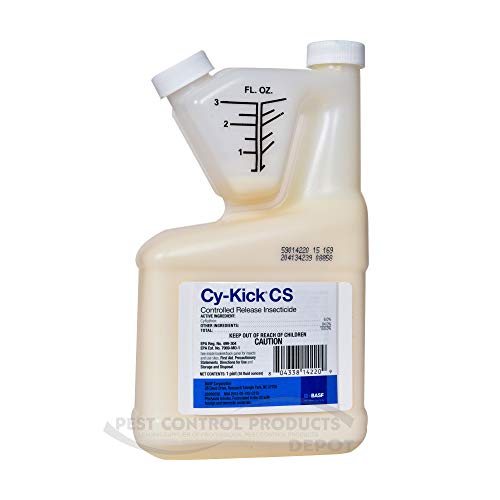
    #3 Cy-Kick CS

    Cy-Kick CS contains 6.0% Cyfluthrin that holds SmartCap technology to create a shell around the active ingredients to save it from weathering effects to release it in controlled doses for longer and to minimize its residual effects on the environment and humans. Using a technology that carries tiny mobile lethal doses of active ingredients to stick and move with the insect is harmful to the pest’s behaviors preparing to invade your plants. It will provide a prolong control on grasshoppers for 90 days with its broad-spectrum killing power. It can be used outdoors and indoors as well. It’s one application that would let you know how to keep grasshoppers off plants?
    Add 2 ounces of Cy-Kick CS in one gallon of water in a mist sprayer and spray over the plants that are feared to be attacked by grasshoppers.
    Spraying must be done in the evening that needs complete wetting of the plant’s upper foliage

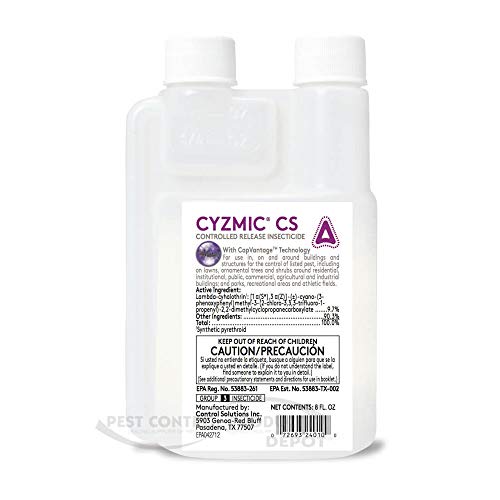
    #4 CYZMIC CS – Controlled Release Insecticide

    CS stands for the controlled release of active ingredient Lambda Cyhalothrin 9.7% in Cyzmic. It’s a systemic insecticide and works exceptionally well against grasshoppers and other chewing insects in your garden. Systemic insecticides perform better when there is a sudden outburst of migratory pests or sudden changes in the climate that favors the invasion of such type of pests. It provides a longer control but can repeat after 15 days if the infestations are not significantly lowered after the 1st application. Giving 2-3 treatments during a season will kill and deter grasshoppers on your garden plants.
    Mix 6ml of CYZMIC CS in 1 gallon of water in a power sprayer and wash your plants upside down thoroughly in the evening. Complementary watering is required after spraying any systemic insecticide in your garden that increases insecticide efficacy to kill resistant pests.

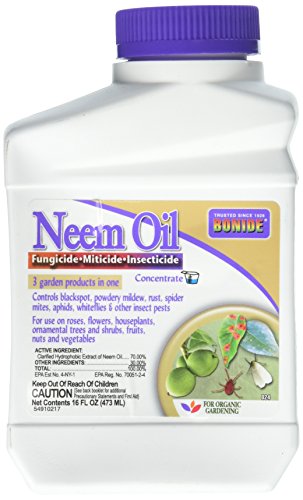
    #5 Bonide-Neem Oil(70%) Insect Repellent

    Neem oil works through 4 different ways to stop grasshoppers on your garden plants that are the reasons for its popularity among the organic gardeners who use it for their all edible plants. At first, Neem oil disrupts their lifecycle upon eating the leaves sprayed against, inhibits their feeding, deters them from egg-laying and retards their growth. You will be curious to listen to what kills grasshoppers on plants that Neem oil has. Azadirachtin holds all these properties that wouldn’t let grasshoppers freely feed in your garden space. Shake concentrated bottle well before mixing this concentrate into water. It performs well on all stages of insect development i.e. egg, larva, and adult that can be sprayed on edible plants till the time of harvest. No need to add any adjuvant into the mixture because there is fear to burn leaves.
    Add 4 ounces of Bonide 70% Neem Oil in 1 gallon of water in a hand-held sprayer and spray on your plants thoroughly.

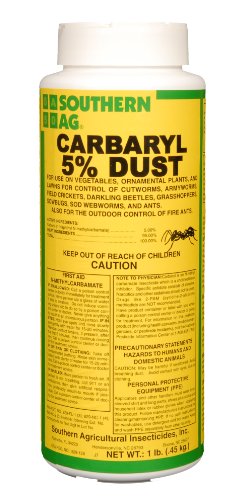
    #6 Southern Ag Carbaryl 5 % Dust

    How to kill grasshoppers instantly is no problem with this carbamate that contains 5% Carbaryl as its active ingredients. It can use on vegetables, ornamental plants, and grassy lawns for severe and sudden infestations of grasshoppers when no other remedy works well against them.
    For Vegetables, use I pound in 1 gallon of water and spray using a pressure sprayer.
    For Lawns, use 5 Pounds for 1000 square feet area.
    For home Gardens, dust on the plants leaves thoroughly.

    What are grasshoppers & where do they come from?

    They are from the group of jumping insects in the order Orthoptera having more than 24000 species across the world out of which 1300 species have been identified that are supposed to exist in the US. They often occur in the greatest count in semiarid regions, lowland tropical areas and grasslands. Their color is variable from green to brown with yellow or red marks on the main body. Their sensory organs are located in different parts of the body like antennae at the head, cerci on the abdomen and receptors on the legs. Its taste organs are in the mouth while it smells with antennae. Tynpanal organ is used to hear while compound eyes are located on the forehead.
    Damages:
    What do grasshoppers eat is ultimately anything green that comes their way, they eat it up as they are herbivorous but only a few species are considered as crop pests due to their migratory habit. The short-horned grasshoppers are often more destructive, swarming and migratory and prominent species is the locust or Desert locust which have the history of devastating crops in the past.Their infestations are more common during the summer months in the tropical regions across the world while temperate regions are famous for their large sizes and chirping sounds they produce during the summer months

    What eats Grasshoppers?

    They are also eaten as food in some parts of the world where they are dried or often roasted especially in the Gulf and Africa. Other known predators are the birds including chicken, frogs, and snakes..

    Grasshoppers’ life Cycle

    Grasshoppers have only 3 life stages i.e. Egg, nymph, and adult and they go under an incomplete metamorphosis to carry on their reproduction to miss the caterpillar stage. They usually take 2 months to complete their life cycle from an egg to an adult. A female grasshopper lays eggs in the ground during the summer and fall. Eggs are given the shape of the pod in the soil. A pod contains 200 eggs as an average that again depends on the species of the female. The egg hatching takes place in 3-4 weeks whereas Nymph is passed in 8-10 weeks and adult 9-11 weeks depending on the ground temperature and species as well. Adult longevity of an adult is considered to be 51 days in males while a female does live for 52 days. How do long grasshoppers live can be supposed from the above findings that they may have 1 generation in a year in the temperate regions keeping in mind their natural predators.

    How to prevent grasshoppers?

    Preventing grasshoppers is only possible through traps and early sowing of the desired vegetables or greens. Early sowing is not possible because it is dependent on other factors like temperature and humidity where gardeners have already short spans to grow their edible stuff. On the other hand, traps can be used but once sudden outburst occurs, they go beyond control where the gardeners are left with the options to kill them with organic, natural and systemic insecticides for immediate control.

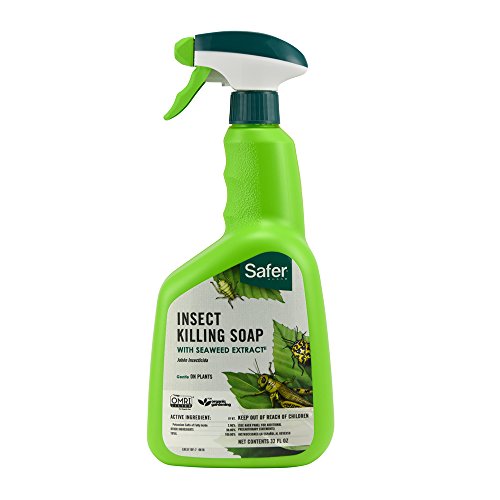
    #7 Safer Brand-Insect Killing Soap

    This insect-killing soap contains 2% Potassium salts of Fatty acid and is compatible with organic gardening. Seaweed extract is what lets your plants grow vigorously and allows beneficial insects to thrive in your garden. This unique formulation has a dual-action. On one side it dehydrates grasshoppers while on the other side it works on the health of plants allowing them to accelerate vegetative growth. It kills grasshoppers on contact leaving no side effects on the edible greens in a garden escape. It’s advisable to spray every 7-10 days as the product breaks down fully in the environment during this period and repetition is mandatory.
    Its readymade formulation is simple and easy-to-use. Shake bottle well before any application.

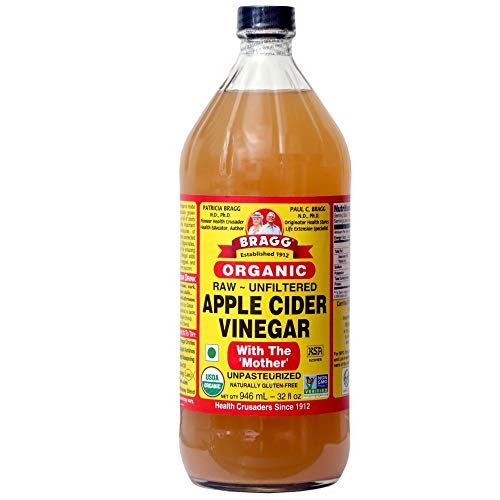
    #8 Bragg Organic Raw Apple Cider Vinegar

    How to get rid of grasshoppers with vinegar applies two methods that are commonly used in the gardening landscapes. Both are fairly effective against all species of grasshoppers. Vinegar contains Acetic Acid that reacts with the skin of the grasshoppers and doesn’t let them molt. Molting is the process of shedding their skin before going into the next reproductive stage. When their process of molting stops, they stop feeding as well. An effective strategy is needed to kill grasshoppers while using vinegar.

    • Mixing one part apple cider vinegar with 3 parts of water in a one-quart spray bottle would make an ideal solution to get rid of grasshoppers from your garden plants. Thoroughly spray all garden plants with this solution in the morning when their feeding is at peak. The same solution can be repeated keeping 2-3 days interval. Its organic remedy and there is no harm in using vinegar on your edible plants. There is no restriction to harvest after its immediate application.
    • Take a plastic container having the 1-quart liquid capacity and bury it into the garden soil. Fill this container with pure apple cider vinegar leaving 1 inch empty from the top. Add 1 teaspoon of vegetable oil and agitate for a while. Grasshoppers will keep coming in & keep dying. If someone escapes from the solution, they will not able to feed on plants again.

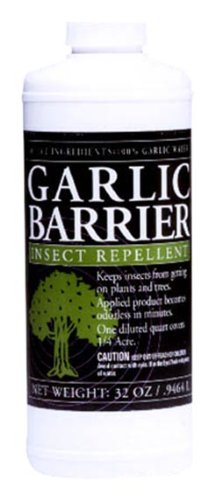
    #9 Insect Repellent Garlic Barrier

    This repellent has garlic concentrate that contains allicin which is a strong deterrent along with killing properties. It prepares from special garlic variety called Super garlic that possess more strength of allicin. It works well on a wide range of insects including grasshoppers, spider mites and aphids. It’s an organic listed product that can be repeated after 14 days of its first application.
    Shake contents of the bottle well before making a solution. Always spray organic products in the morning that is deterrent as well as a killer. Add 2.5 ounces in one gallon of water. Agitate well and spray on the entire vegetation using a hand-held pressure sprayer.

    #10 Entomophthora Grylli

    Entomophthora Grylli is a fungi strain that infects grasshoppers to paralyze them. On infestations, they hang on stems or parts of the plants tightly and die in this position. Fungi grow and perform well in the hot & humid weather where grasshoppers’ infestations are more common. But sadly, it’s not available commercially yet.
    Some working Entomologists may help you to hold a sample of the fungi to test in your environment.

  • Slugs and Snails: 10 way to kill slugs and snails (Updated for 2023)

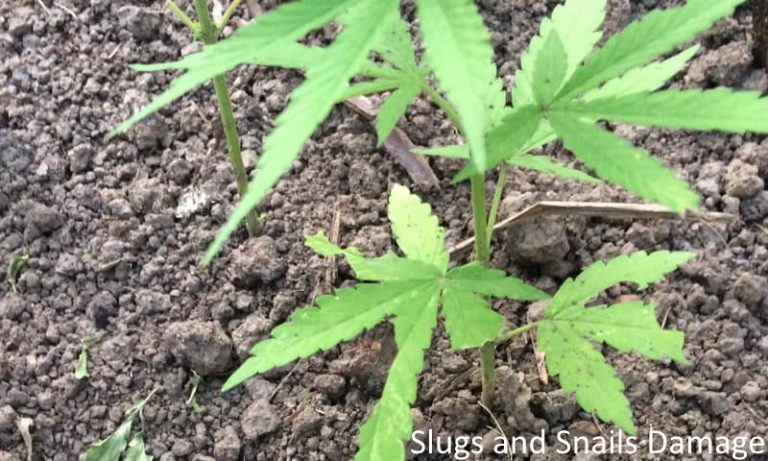
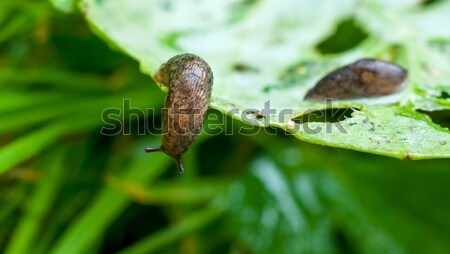
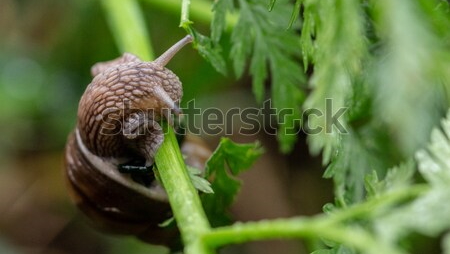
    Although Slug and Snails both belong to the same Phylum and class in the Animalia Kingdom they differ at large in their families. Most of the garden slugs are placed in Onchidiacea and Soleolifera families of mollusks whereas Snails are placed in Muricidae family. Most significant difference between Slugs and Snails is their hard Exoskeleton or shell in Snails whereas it may be found inside the bodies of the Slugs that are not apparently visible whereas in case of Slugs, it is found on their bodies and they are capable of  contracting their entire soft body into the hard shells when disturbed or touched. So, in broader terms, Slugs are soft-bodied mollusks while Snails are hard-bodies due to their spiral hard shells. They are common in their feeding behavior as both are voracious eaters and can eat up and destroy any garden’s seedling overnight.

    They are also night riders while keep themselves hide under large leaves during the day. They also get confused during cloudy weather and may come out to start feeding during the day while their salivary imprints may cause annoyance for the gardeners and heavy eating may result in considerable plant damages when they are around.
     

    Let’s search for some quick solutions that will lead us the way how to get rid of slugs and snails in your organic garden and on the Cannabis plants.

    How to get rid of Slugs and Snails

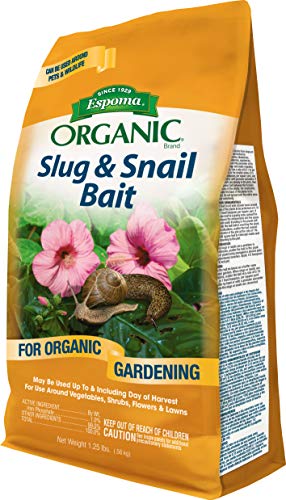
    #1 Espoma-Slug and Snail Bait (Chemical – Editors’ Choice)

    Slugs and Snails killer but safe for the environment as this bait contains Ferric Phosphate that is recommended to be used in organic gardening. Both slugs and snails are most active in spring and summer when humidity is high around your gardening plants especially Cannabis, vegetables and other leafy greens including the plants that have broad leaves to shelter these voracious eaters. So, applying during these periods will perform much better while you can repeat its application if the infestations are high.
    How to kill slugs and snails effectively without poisonous chemicals is possible by using this bait that is a highly effective product and is eaten by the all traits of garden slugs and snails that cease on further eating and leave that space to die under shade. Apply on the bare garden surface encircling the plants needed to be protected from the slugs and snails. Avoid its direct application on the leaves as it may burn them. Apply 1 teaspoon pallets in 1 square meter while the pack may be speeded in 120 square meters. 3-4 applications are recommended during the entire growing season for cleaning slugs and snails on the Cannabis plants.

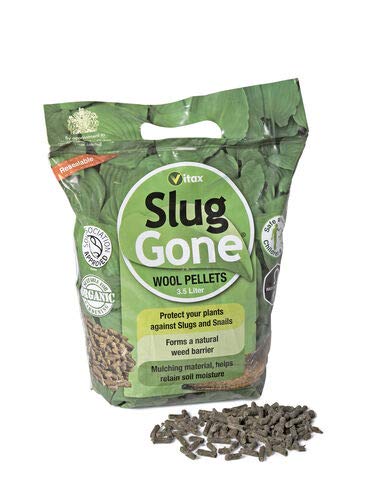
    #2 Slugs Gone Wool Pellets (Natural – Editors’ Choice)

    Wool Pallets are a combination of sheep wool and manure that act as a natural deterrent upon getting moisture through watering or by rain showers. Open the pack in a well-ventilated place as they have very bad odor and takes time to dissipate if opened indoor. They swell on getting moisture to make wool turf that doesn’t let pass snails and slugs as they hate irritation on the mollusks underneath their bodies, they contract and retract to move forward. It an organic remedy and doesn’t use any chemicals inside.
    Safe for organic gardening, safe for children and pets around while easy to apply. Apply around the pots, containers or the raised bed where you are growing your Cannabis and other edible green including vegetables, fruit trees, and ornamental plants. It saves moisture and inhibits weeds growth as well. Uninterrupted banding around gardening plants will perform better than just spreading or piling up pallets in the garden area.

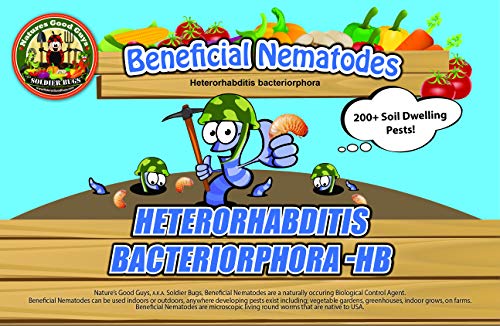
    #3 Beneficial Nematodes

    It contains several strains of nematodes. These beneficial nematodes parasitize Slugs that are around when applied under moist conditions. They stick to bodies of slugs & infect them until they are killed. The beneficial nematodes are harmless to humans, pets, and bees in the garden while they can be released to save Cannabis, herbs, vegetables and leafy greens in any organic garden. They live on the bodies of slugs and don’t feed or infest plants.
    This pack is received in moisturized condition and they perform the best at the temperature above 40°F. they also chase slugs when they go underground and kill them at the spot. Don’t release nematodes in the garden if you have already applied some bait as it will kill beneficial nematodes. The beneficial nematodes remain active for 6 weeks and need reapplication after that period. It is sufficient for 200 square meters of area in your Cannabis garden.

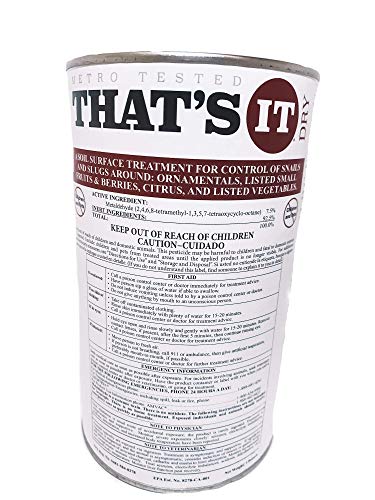
    #4 That’s It Snail Bait 7.5 Metaldehyde

    This bait contains 7.5 % of Metaldehyde that is attractant and killer of all strains of Slugs and Snails in any organic garden. It not safe for the chicken or birds in our garden. Cautions must be taken to clear all dead Slugs and Snails early in the morning before the birds or hens arrives in your garden.
    apply it in thin layers instead of mounds. It to suggested to apply water before you plan to scatter this bait in your garden. Pause watering until 24 hours after you have applied it to the Cannabis or other gardening greens in your edible garden.

    #5 Copper Sulfate/Dry Powder

    This pack contains 99.9% of Copper Sulfate. Although, it is widely used to control blight, leaf curl and scab on fruit plants it can be successfully used to Deter Slugs and Snails in an organic garden especially on the Cannabis plants. Dissolve Copper Sulfate in water and apply to make borders to stop Slugs and Snails feeding. The solution can also be used for spraying or making bands to Deter Slugs and Snails in your Cannabis garden.
    some ready-made formulas might be available in the market but a fresh formulation has its own advantages that can be made according to the need and is more effective. Spray directly on the plants to stop snails and slugs from feeding on your edible plants or use as band-spraying on the passage they use to invade your lovely plants.

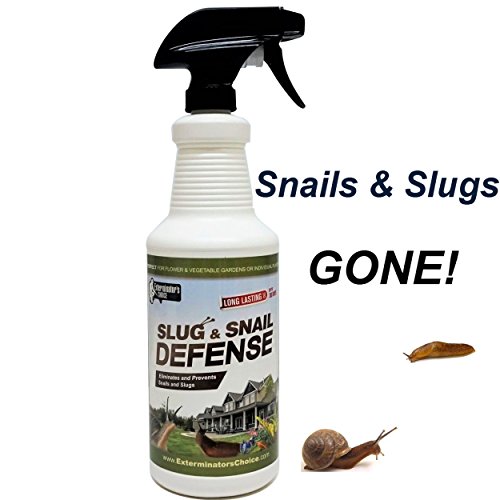
    #6 Slug and Snail Defense Repellent Spray

    It’s a derivative from a natural plant source and is placed in an organic plant defense list that doesn’t let slugs and snails reach your favorite garden plants if you have created a thin film on the leaves of the Cannabis and other gardening greens. It smells decent while it keeps the slugs and snails away from your garden. It can be successfully used on Cannabis, vegetables, fruits, and herbs in any edible garden.
    Spray on the entire plant foliage using a mist sprayer and walk slowly so that the surface leaves receive a reasonable amount of mist to wet them. Apply when the infestations are high during spring and summer in high humidity conditions. Reapplication is required if it rains immediate after its application to the garden area.

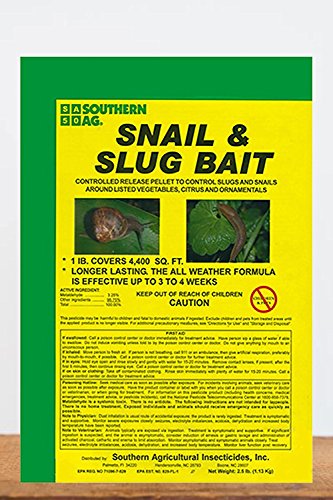
    #7 Southern Ag Snail & Slug Bait

    What kills slugs and snails instantly is the Metaldehyde 3.25% active ingredient contained in the pallet form in this blue bait. There might be some other baits available online with more percentage of Metaldehyde up to 7.5 % but it is better to stick to lower poison ratios for the possible threats to your pets like Dog, hen, and birds around. It kills the entire range of slugs and snails preparing to raid your edible greens, Cannabis, vegetables, fruits and nursery seedling including herbs and broadleaf plants.
    spread these pallets evenly around and near gardening greens in the evening as the slugs and snails feeding is limited during the night or a cloudy day. 1 pound of pallet bait covers a 100-130 square meters garden area. It doesn’t simply kill all existing voracious eaters but doesn’t let enter them into your garden space.

    What are slugs and snails?

    What is the difference between a slug and snail that guide us on how to identify slugs and snails when they are present or suspected in any edible garden is not difficult if you are aware of their eating behavior, biology and structure. i.e.

    • Slugs are soft-bodied mollusks whereas Snails have hard, twisted exoskeleton to which they are capable of contracting their entire soft body into the shells when disturbed.
    • All Slugs and snails are voracious eaters of dark green leaves at night and seldom appear during the day to feed on your gardening greens except for the cloudy days.
    • Both traits are feared to leave a similar goop track on their passage and on the places where they feed in any garden.
    • Both Slugs and Snails are capable of moving by contraction & retraction of their mollusk foot underneath their bodies.
    • Both Slugs and Snails are bisexual that can lay eggs after breeding with each other.
    • Another difference between Slugs and Snails is that most of the garden slugs are placed in Onchidiacea and Soleolifera families of mollusks whereas Snails are placed in Muricidae

    How to prevent Slugs and Snails in the garden?

    • Remove weed covers, plant debris, and broken earth pods as they serve a whacking place for Slugs and Snails in the daylight.
    • Your garden must be inclined to receive sufficient direct sunlight. Remove any hindrance, ground covers or obstacles that provide shelter.
    • Regulate garden watering in the morning so that there is minimum moisture during the night.
    • Use wide copper bands around the boundary of your garden as Slugs and Snails receive an electric shock on coming directly in contact with Copper bands & change their route.
    • Plants that repel slugs and snails must be part of your garden. Consider planting Lantana, geraniums, Thyme, Lavender, Rosemary, and sage as part of herbs garden for producing highly adorable scents and cooking flavors.
    • Continue hand-picking of Slugs and Snails from their sheltered places like beneath broad leaves, fences, hedges or underneath pots and weed covers.
    • Make arrangements for burying beer containers inside the garden soil to trap and kill them.

    How to get rid of slugs and snails with coffee?

    Coffee grounds help you to deter slugs and snails along with enriching garden soil with essential nutrients like Nitrogen, Phosphorus, and Potash in combination with micronutrients and minerals as a slow-release fertilizer. The coffee grounds can be scattered on the garden soil followed by watering them immediately will deter Slugs and Snails those want to come to harm your gardening greens including Cannabis and vegetables and for this purpose, you can use;

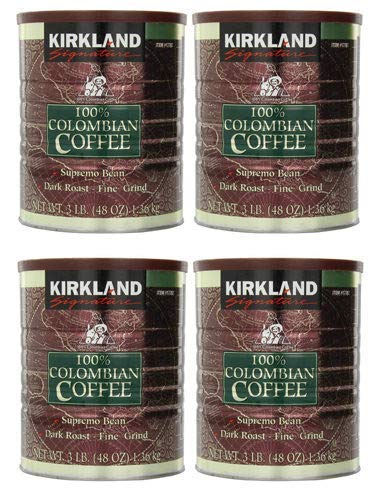
    #8 IUDUH-Colombian Coffee Supremo Bean Dark Roast-Fine Grind

    One of the cheapest Coffee’s available online in just $ 0.15 per ounce.
    1-2% Caffeine foliage spray can also be used to Deter Slugs and Snails that can be prepared by adding the prescribed amount of Coffee in the solution.

    How to get rid of slugs and snails with beer?

    Beer is another best organic remedy to invite and kill Slugs and Snails that are supposed to harm your gardening greens. A wooden or plastic container is buried into the garden soil away from the plants and beer is poured into it. Slugs and Snails are invited to fermentation smell and drowned into the liquid that dehydrates them to kill. You can use this beer container for this purpose;

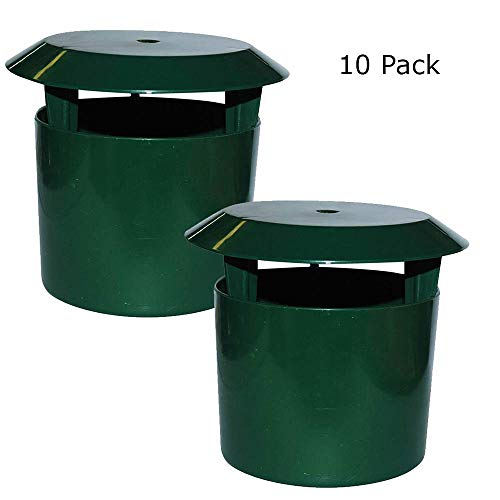
    #9 Slug Snail Catcher Beer Bait

    Easy to bury into garden soil. Just fill it with beer or yeast liquid to collect trapped slugs and snails. Wash it and use again at the same location. You need to install a number of traps in the passage slugs and snails use to arrive at your favorite gardening greens and Cannabis plants.

    How to get rid of slugs and snails with table salt?

    Table salt (NaCl) or Sodium Chloride also serves as a powerful killer against all strains of Slugs and Snails in any organic garden but it would be hard on you to see them dying gradually after you applied finely ground salt on their bodies. Large flakes of salt will not stay at their bodies while it is necessary to throw water on their bodies before applying finely ground salt. Table salt dehydrates them and they are killed after all moisture is gone from their mollusk bodies. Don’t sprinkle salt on the plant foliage as it may burn leaves of your lovely plants such as vegetables, Cannabis, and herbs.

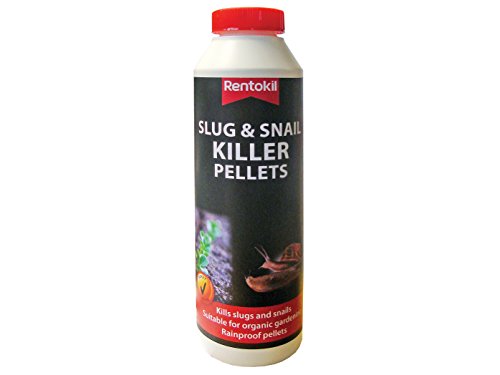
    #10 Rentokil Slug and Snail Killer Pellets

    Rentokil pallets are similar to Ferrimax in their active ingredient and properties but designed for weathering protection and will continue their efficacy even after rain showers. This is an organic remedy that doesn’t need protecting it from your pets, bees, and birds since it decomposes and adds to the fertility of gardening soil.
    Yes! Ferric Phosphate also called Iron Phosphate is active salt and can be used 5 grams per square meter area in your garden to save berries, vegetables, Cannabis, herbs, and microgreens to create barriers or spreading around these plants.

  • How to Get Rid of Leafhoppers: 10 way to kill leafhoppers on your garden (Updated for 2023)

    The word “Leafhoppers” is widely used for the species belonging to the Cicadellidae family that comprises of around 20000 listed species dispersed around the world. Adults in the family are squeezed, stretched out, and somewhat deltoid in shape. They can jump and fly off making short flights if disturbed. Their feeding on the leaves is usually observed in the form of groups where they are found on the variety of flowering plants, vegetables, fruits, turf grasses and shrubs including herbs and deciduous trees. They are sap-sucking pests and associated with plant injuries and transmitting viral diseases to healthy plants that cause yellow and clear spots, stipping on the upper surface of the leaves. These spotted or stipped leaves may fall during the premature phase. Some leafhoppers also cause stunting & curling of the leaf margins of the injured leaves that may die. Let’s check in some quick remedies how to get rid of leafhoppers on your gardening plants.

    How to kill leafhoppers on your gardening plants

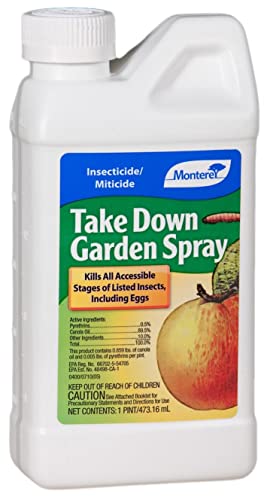
    #1 Monterey Take Down Garden Spray (Chemical – Editors’ Choice)

    Take Down Garden Spray contains natural pyrethrin (0.5%) and Canola Oil (89.5%) in its ingredients. It is highly effective against all stages of the pests damaging the foliage of your lovely plants in the edible garden. Being in the organic listing, no harmful effects reported so for on all edible greens while you have the liberty to use it on fruit trees, vegetables, indoor and ornamental plants without any hassle and without fearing from the residual effects. Its highly promising against all developing stages of pests including eggs, larva, and adults of leafhopper cabbage, tomatoes, and lettuce. Pyrethrin is a contact poison that can be used until the day of harvest.
    Pyrethrin performs excellently when applied to the first appearance of the leafhoppers on your garden plants. Add 2 ounces in 1 gallon of water and spray using a mist sprayer in the evening. Keep sprayer shaking while you are spraying on the plants.

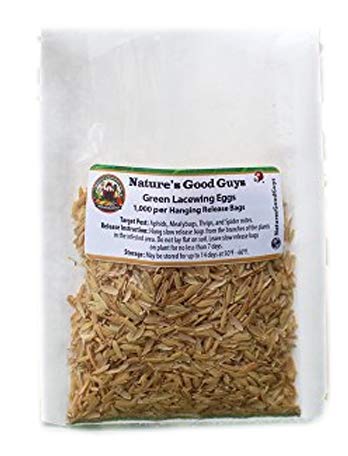
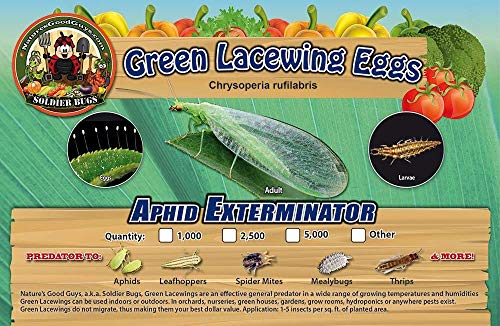
    #2 Nature’s Good Guys Green Lacewing 1,000 Eggs (Natural – Editors’ Choice)

    Biological controls are getting popularity among the home gardeners because of the potential human health threats associated with the systemic insecticides and their residual effects. Green Lacewing eggs containing sachets are hanged in the gardens at some protected and shady place. Usually, eggs hatch in about 5 days into the larva that can pupate to live for 40-45 days to become an adult. These adults scatter on the plants in the garden and live on the eggs of the leafhoppers. If all of the pests are eaten up, Green Lacewing lives on the pollens of healthy plants.
    Green Lacewing 1000 eggs are sufficient to be released for 200-250 square meters in your open garden.

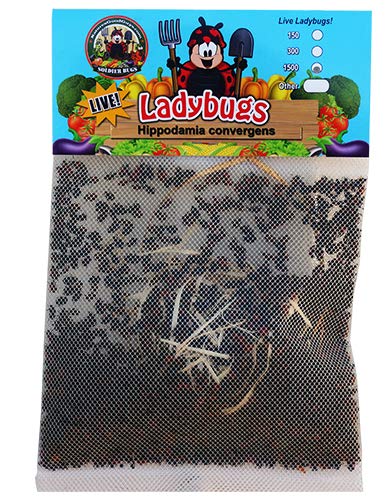
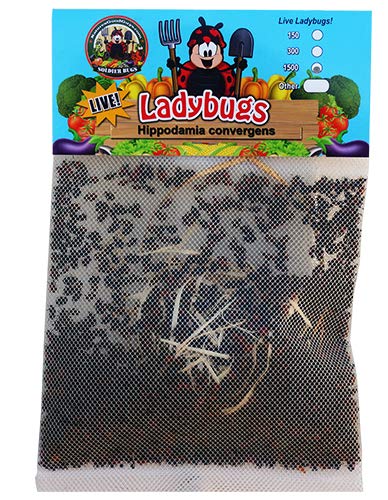
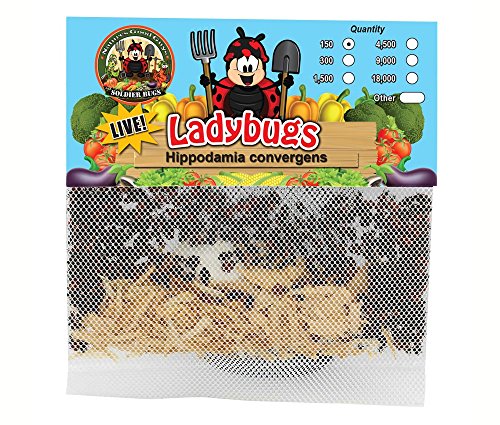
    #3 1500 Pre-Fed Live Ladybugs | Hippodamia Convergens

    Ladybird Beetles are wide-ranging hunters that forage on a variety of sluggish insects while they are notorious for feeding on aphids along with feeding on a variety of leafhoppers’ adult and larval phases including their eggs. Ladybug adults might be bright red, reddish-yellow or orange having black markings on their backs. The larva is usually black having visible legs and orange spots on the back. upon release, pre-fed adult bugs must mate and lay eggs within 10 days. It takes 3-4 weeks to become an adult in summer and 2 weeks more in spring. Both Larva and adults feed on eggs of leafhoppers heavily.
    Green Lacewing (Hippodamia Convergens) do well in around 250 green covers in your edible garden.

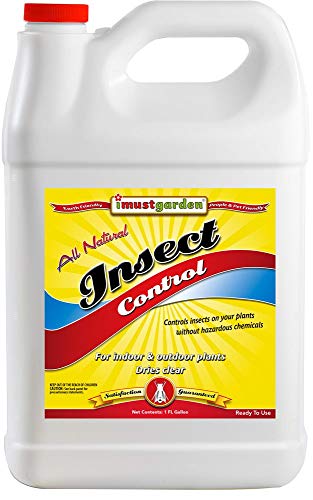
    #4 I Must Garden Insect Control

    This insect control contains all-natural ingredients peppermint oil, thyme oil, rosemary oil, and garlic and is without mineral oils so there are no chances of residual effects on your garden greens and is effective in repelling and killing leafhoppers along with aphids, scales, gnats, and whiteflies. Peppermint (1.16%), Garlic (0.27%), Thyme (0.09%), Rosemary (0.07%) and Ascophyllum nodosum make it a superior formula along with Fish oil, citric acid, Xanthan gum and sodium chloride that is highly toxic for the variety of gardening pests on Vegetables, fruits and ornamental plants including roses.
    Its purely organic formulation and can be used until the time of the harvest. Moreover, no need to make its mixtures or solution. Simply pick the bottle and add it into the mist sprayer to cover undersides of the leaves in the upper and middle foliage.

    #5 Insecticide Organic Surround WP

    Surround WP is an organic crop protectant that works in 4 different ways. The product contains calcined kaolin (95%) that shields against sunburn, drop canopy temperatures to trigger photosynthesis and it shelters and disguises the plant from the pests and in doing all this, it avoids disease spread by insect routes. Depending on the coverage, weather and speed of the plant growth, successive applications may be mandatory in 4 to 15 days. Because it provides you the option to monitor its visible film on the surface of the leaves with the passing time and you can decide better when to reapply this thin shield on the foliage.
    Leafhoppers or any other insect wouldn’t be able to feast on your favorite plants after you apply a thin film of Surround WP on the surface of the leaves. Moreover, you have the liberty to use it on all edible stuff including vegetables, microgreens, fruits, and herbs along with its use on ornamental plants in your garden.

    #6 Bonide -Neem Oil, Insect Pesticide for Organic Gardening

    Neem Oil is a wise choice to be used in organic gardening to control infestations of the variety of insects and diseases including potato leafhoppers, soft-bodied insects and powdery mildew. It contains Azadirachtin that is highly effective against all 3 stages of leafhoppers.i.e. eggs, larva and adult while gives promising results if a repeated application is managed in 7 to 10 days.
    Add 1-2 ounces in 1 gallon of water and spray using a high-pressure hand-held mist sprayer on the upper and lower surface of the leaves for best results. Shake concentrate bottle well before every mixing.

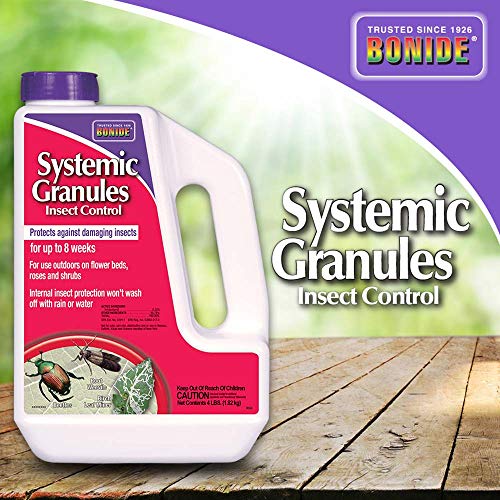
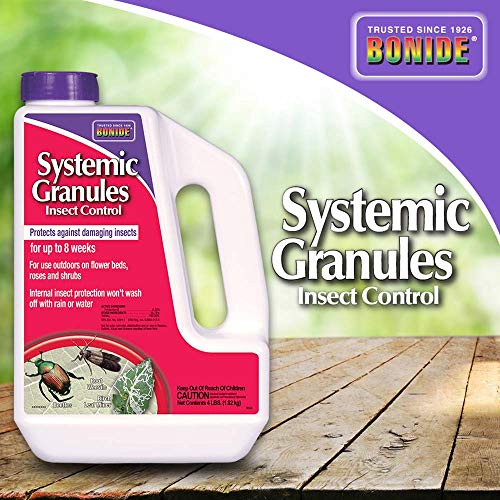
    #7 Bonide-Insect Control Systemic Granules (0.22% Imidacloprid)

    Systemic products are meant to be used on non-edibles only due to residual effects that last for several days while in the case of this product it contains 0.22% Imidacloprid that keeps its residue for 60 days. It only suits your outdoor ornamentals garden and roses or showy hedges for the landscape purpose. Anyhow, it is highly effective outdoor for all flying and sucking pests including leafhoppers damage on plants and whiteflies to take control for 60 days.
    Simply spread these granules near the stem of the ornamental plants and roses and water them. The active ingredient is absorbed by the roots that are transported to leaves while they become poisoned to deter all types of leafhopper’s infestation of the plants. The product label also mentions the clear warning about its usage restriction on the edible plants.

    What are leafhoppers?

    Leafhoppers have extended, wedged bodies and a little bit tri-lateral if seen from upwards. They constitute one of the extreme plentiful plant damaging species that are greater than all existing species of reptiles, amphibians, mammals, and birds in this universe.
    Their sizes range between 1/8th of an inch to half an inch that may have multi-colored body patterns and shapes depending on species which varies from bright yellow to green and grey including color marking on their bodies. Wingless Nymphs are often similar to adults in the same species. Both adults and Nymph’s feeding is seen on the undersides of the leaves. They are slim with rough head and wedged wings over their bodies while hind legs with four rows of small spines. Leafhoppers are adaptable to tropical, subtropical and temperate climatic conditions where they are found in wetlands, forests, deserts, grasslands, and backyards. Their common predators include but not limited to: birds, spiders, and lizards in the open forest.

    What do leafhoppers eat?

    Leafhoppers eat nothing but feed on the sap of the variety of the plants by using their mouthparts called Stylus. They insert their stylus into the soft tissues on the undersides of the leaves. This sucking habit causes stipping on the leaves that are visible even in the uppersides of the leaves. The leaves stipping is caused by sap removal from the phloem and xylem tissues and injecting some toxins that are associated to bring viral infestation on the affected plants. Stipping leads to marginal chlorosis and browning of the injured leaves that may fall permanently from the plants. Leafhoppers are also associated with the transmission of some viral diseases along with inviting molds due to their salivary fluids on the surface of the leaves.
    Some species are also host specific as they primarily feed on specific plant species such as Rose leafhoppers live on roses the same is true for apple and Potato leafhoppers but they can be found on a similar type of plant foliage that resembles their specific hosts.

    Life Cycle of leafhoppers

    Overwintering is often in the shape of eggs in plant debris or unattended hiding places in any corner of the garden. Most of the egg-laying takes place undersides of leaves, plant curvatures and near the main stem in the soil. Nymph hatch in around 10 days under favorable conditions in spring or summer and feeds on the tender leaves. Nymph develops into an adult in 2-4 weeks. There may be 1-6 generation in a year depending on the temperature and humidity around.

    What are white leafhoppers?

    White leafhoppers are in fact white apple leafhoppers that are frequently found in the Pacific Northwest in the US and caused considerable damages to apples in the mid-’70s.
    They are native to North in the US causing significant loss to the apple & fruit growers. It is also prevalent in cherry, peach, and hawthorn. Its life cycle, habitat, and, damages are similar to other commonly found leafhoppers in the garden.

    How to control leafhoppers on outdoor plants?

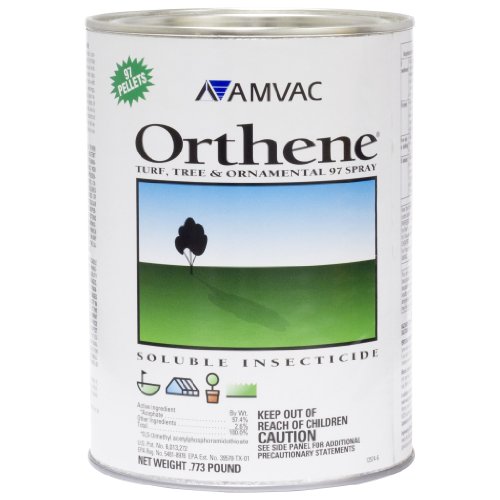
    #8 Orthene 97.4% Acephate Systemic Soluble Insecticide

    Orthene contains acephate(97.4%) in the pallets form that is water-soluble. It relieves you from the headache of making a solution or spraying on the outdoor plants. This product kills leafhoppers through contact and systemic action anyhow it is not recommended for the edible plants in your garden. It may keep its residual effect for 21 days and is exceptionally strong against all chewing and sucking garden pests.
    Systemic insecticides are absorbed with water through roots and poison the overall plant foliage that doesn’t let leafhoppers to infest & damage your outdoor plants, hedges, and roses.
    Place these pallets near the stem of the plants and water them so they are dissolved to perform their action.

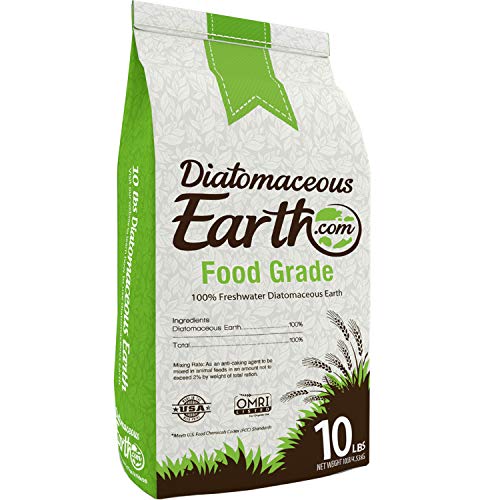
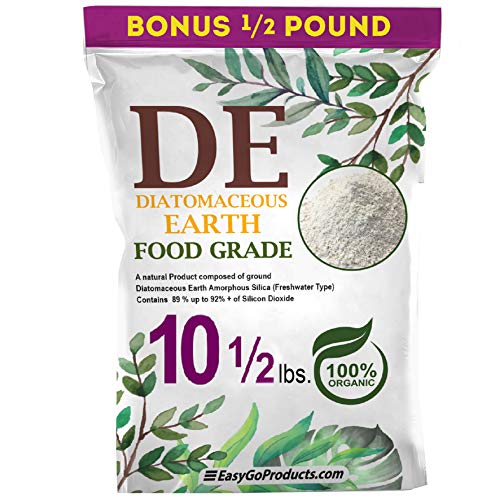
    #9 Diatomaceous Earth (DE) Food Grade

    DE is a non-chemical method to control and kill leafhoppers that damage your edible garden and trusted by the majority of the gardeners around the world. Organic, physical and natural ways to kill pests before they increase their infestation on your vegetables, fruits, and microgreens including herbs and ornamental shrubs. DE comes from the tiny, plankton deposits and contains small tiny pores. Once leafhoppers or other pests get entered into tiny pores, they wouldn,t come out alive for sure. This causes dehydration at the spot and they become dead.
    Thinly spread DE on the surface of the leaves feared to be attacked by the leafhoppers or other pests of similar nature, it will do the rest of the things.

    How to get rid of leafhoppers organically?

    Use a pressurized water sprayer to wash undersides of the leaves where leafhoppers hide normally. Work on increasing the presence of predatory insects and wasp that feed on leafhoppers and other garden pests along with inviting pollinators that are habitual to pick them as feed. Sticky traps and insecticidal soaps are also among the excellent strategies to keep their infestation in good control while Pyrethrin, Spinosad and Neem oil are the best organic sprays that keep them in control. One of the best product in the Spinosad category is;

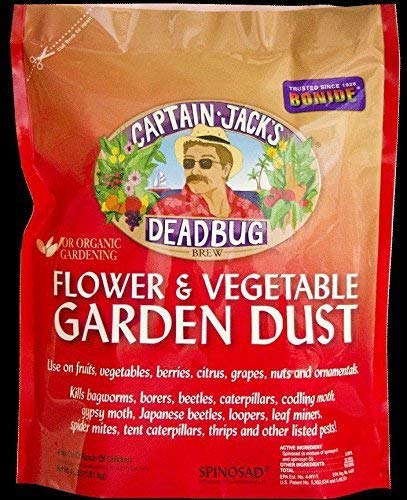
    #10 Captain Jacks Deadbug Flower Vegetable Garden Dust

    This Garden Dust contains Spinosad in a 0.001% ratio that is highly effective if you are interested to get rid of leafhoppers organically on your garden plants. Spinosad comes from a naturally happening soil bacteria that stops feeding of leafhoppers, whiteflies, aphids, and other foliage damaging pests. Their tendency to restrain them from feeding on foliage dehydrates their bodies leading them to kill.
    Sprinkle a thin layer of Garden Dust on the foliage of your edible plants and wait for the Spinosad to do its trick. You may notice some leafhoppers after you are done with a sprinkle, don’t worry, they have terminated feeding and may survive for an hour or two.

  • How to get rid of root rot: 11 way to Fix root rot for indoor plants (Updated for 2023)

    Many of us have encountered root rot and still failed to recognize it. It is a disease that has almost the same symptoms as the rest of the plant-related diseases, but it is somehow fatal than most of the other known diseases. If not recognized early, your effected plant will slowly move towards its death. No matter what the method you try; the remedy you apply; the precautions you take, the plant will eventually die if you don’t apply the very remedies of the root rot itself.
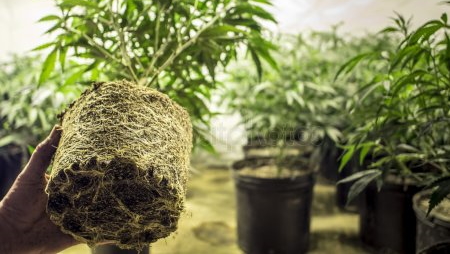
    If you want to know how to identify root rot? and what does root rot look like? First, you will be wanting to know what root rot actually is. Root Rot is a disease that usually happens to the root of those plants that are growing in wet and damp soil. This disease attacks the roots and rot and decays them slowly. Any plant or tree can be attacked by root rot and thus making their life short drastically. Signs of root rot can be seen both in indoor plants as well as in the outdoor ones. As already said, its symptoms are alike any other diseases that are poor growth, branch dieback, early leaf drop, wilted leaves and ultimately death of the infested plants. Since root rot takes place in the soil, the symptoms are often only seen when the disease is advanced to a greater extent. The color of the root changes from white and firm to brownish-black and soft. The roots are this much weakened that they often break when touched or slightly disturbed. Roots start to fall off the plants and leave shredding starts early, leading to small discolored leaves left on the plant. Affected plants may seem dull and undersized and infested with pests too. Research shows that plants having root rot will die in a manner of about 10 days.

    How to treat root rot?

    The treatment depends upon the extent of disease infestations. If you want to cure the affected plant, then the plant is replanted in fresh soil that has good drainage and aeration system. Sometimes the roots are washed properly, and the soft brown ones are cut out by the scissors before replanting. This stops it from spreading to the rest of the roots or field. If you want to know how to completely stop the root rot? such that it is killed to the very bottom, then the most common recommendation for the localized case is to destroy the plant that is suffering from rot and then change the surrounding soil to a new one so that it can be stopped from spreading. There are many chemical treatments that they are limited to the specific pathogen you are targeting.

    How to Fix root rot in soil?

    #1 ALUDE Systemic Fungicide (Chemical – Editors’ Choice)

    ALUDE systematic fungicide contains 45.8% of di- and mono-potassium salts of phosphoric acid. This product is effective against diseases like mildew, Pythium and Phytophthora in bedding plants, Pythium diseases related to stems and turf and Phytophthora in conifers. This formula increases the immune system of the plant and can be applied in various ways i.e. soil incorporation, foliar spray, soil drench, and basal bark application.
    To apply it in the form of a spray, mix 1.5-3.6 teaspoon per gallon on your plants using a hand-held pressure sprayer and for drench 0.3-0.6 teaspoon per gallon given in the watering. Apply the product every 10-14 days.

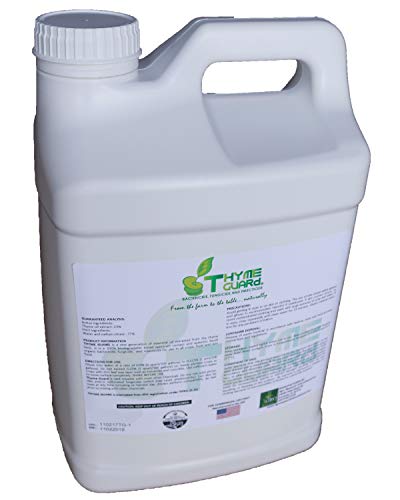
    #2 Thyme Guard (Natural – Editors’ Choice)

    Thyme guard is a bactericide, insecticide, and fungicide altogether. This product is 100% biodegradable and contains zero chemicals thus making it safe to use on all types of crops either they are edible greens or ornamental. This formula is extracted from new generation thyme oil. This product kills diseases like Botrytis, Root rot, citrus canker, fire blight, downy mildew and many more.
    Make a dilute 0.5% (1/2-3/4 ounce per gallon) solution of the product with water for the general case or do not exceed 0.25% solution for new saplings or those plants that have thin-skin coatings. Spray it on leaves using a mist sprayer until they are fully covered or apply directly to soil or foliage. Once this product is used, the effect stays up to 20 days and can be reapplied after this if needed.

    #3 Mom’s Garden Secret insect and disease control

    This product does not contain any harmful chemicals and still manages to control the disease-bearing fungi and pests. The cedar oil formula that it contains gives it more proficiency in killing the spores, fungi, and pests. This product does not kill the beneficial enzymes and microorganisms from the plant that are necessary for its growth.
    8 ounce of this product is added into one gallon of water and then applied through watering to the roots or sprayed on the leaves using a mist sprayer. The insects never attack the same plant again when that plant is freshly sprayed.

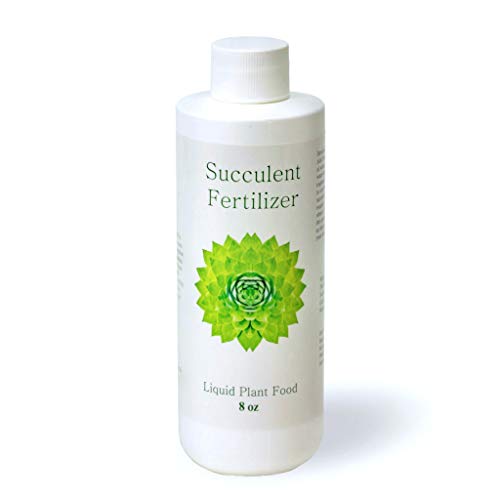
    #4 Fesjoy Succulent Plants Fertilizer

    This product contains potassium, nitrogen, and phosphorus and has a granular design. It is used for both prevention and treatment of a plant especially for diseases like root rot, crown rot, black rot, and fungal rot. All types of plants and flowers can be treated by this product. It increases plant growth and vigor and takes the plant out of stress.
    Use 0.1-0.2 ounce of this product for every 4 inches of the pot and put it inside soil about 1 inch away from the roots. Reapply the procedure after 15-20 days, if necessary.

    #5 Terrazole L Fungicide

    This is an effective soil fertilizer that controls and prevents different plant diseases that are caused by Pythium and Phytophthora. Their diseases include stem diseases, damping-off, and root rot. It works in a way that it inhibits the peroxidation of the lipids. This product works both as a remedial and preventive fungicide. The product should be applied as soon as possible when the first symptoms appear.
    0.75 ounces should be mixed in 1 gallon of water and applied to 1000 square feet area. Apply it to the soil directly as a drench and reapply it after 2 weeks. If the conditions of the plants are severe, then apply 3 ounces per gallon but never exceed this limit. Moreover, never reapply the product before 10 days.

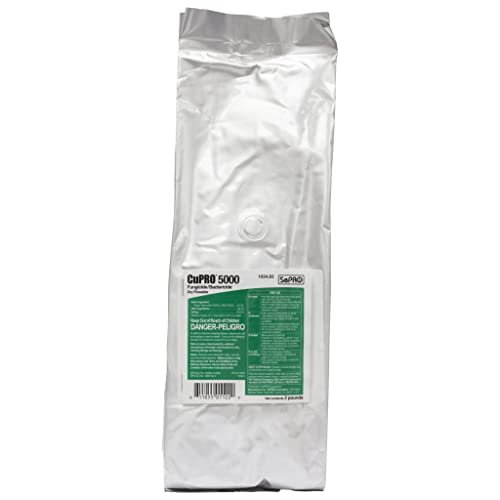
    #6 CuPRO 5000

    CuPRO 5000 is a fungicide that contains copper hydro-oxide by 61.3%. It is an advanced disease formula that works for all types of diseases related to roots and provides them with better immunity.
    Mix 1ounce of the product with 1-gallon water and apply using a high-pressure sprayer on the roots or bark of the plant. If required to reapply, do it after 12 months.

    #7 NORDOX Fungicide

    This fungicide is safe as well as effective to use against diseases like root rot, mildew and leaf spot. They provide a wide range of vegetables and fruit plants that can take advantage of this product. It saves from many fungal and bacterial diseases and is safe for pets even. Considerably, at a lesser price, it provides greater safety with less product. It contains up to 75% metallic copper.
    For use 1.4 ounces of the product has to be mixed with one-gallon water. Once applied it will stay there for longer and thus may not be needed for the second time. Nordox can be sprayed on the plants using a mist sprayer or applied as a drench.

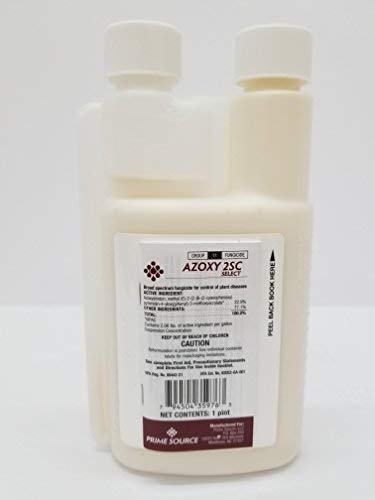
    #8 Azoxy 2SC Select

    This product can be utilized for both residential and commercial purposes. It has both the preventive and restorative properties that come from its 22.9% Azoxystrobin broad-spectrum formula. This product when applied to the plants evenly distributes from the leaves to the roots and provides protection for about 28 days straight. The disease that is either airborne or soilborne can easily be prevented with Azoxy 25C Such diseases are Gray leaf spot, root rot, Fusarium Patch, Melting out, Gray snow mold, brown patch, necrotic ring spot, pink patch, pink spot, spring dead spot, southern blight, Pythium root rot, and Pythium blight and many more fungi and bacterium related diseases.
    It is easily soluble in water so that there is no difficulty for its usage. Mix 0.4 ounce in one-gallon water and spray it on the affected crops. After application, prevent from coming near the sprayed plants for 4 hours at least. Reapply within 14-28 days.

    What are the causes of root rot?

    Although this disease is seemed to be quite lethal, it is curable too. Answering the question what causes root rot? It will definitely help us cure it if only the causes can be eliminated from the bottom.
    The main cause of the root rot is the overwatered soil or the soil that has a poor drainage system. If the roots of the plants are submerged in water long enough, then waterlogging takes place. This term refers to the poor ventilation of the roots that causes it to intake less oxygen and decay early. Plantation of the plants in dense soils can also cause root rot. This disease can spread from the root of one plant to another whereas the light or fertilizer unbalancing can also cause root rot.
    Other causes of root rot are pathogens like Phytophthora, Fusarium, Rhizoctonia, and Pythium. Spores may come from airborne sources or the insects, but they do not affect the roots unless there is enough moisture accumulation on the roots. The wet damp conditions allow the growth of the fungi that further advance this disease.
    The terms root rot deep water culture (DWC) and root rot hydroponics are also sometimes used to describe this disease when it takes place in the process of hydroponics. When the roots are overflooded with water and not aerated properly, a high risk of distorting the nutrients quantity and the pH of water in the roots rises. If the pH of the water changes from 7 to either acidic or basic, rotting of the roots is inevitable.

    How to Prevent root rot on gardening plants?

    The best remedy for any disease is preventing garden plants Which leads us to the question: How to prevent root rot? The first and foremost option is to prevent the soil from staying damp for too long. This can be done by filling the lower parts of the plants and adding more organic matter to the soil so that proper drainage can take place. If this doesn’t help, then try using the raised beds so that water doesn’t stay for much longer in the soil. Avoiding the overwatering of the plants helps in this case.

    How to fix root rot hydroponics?

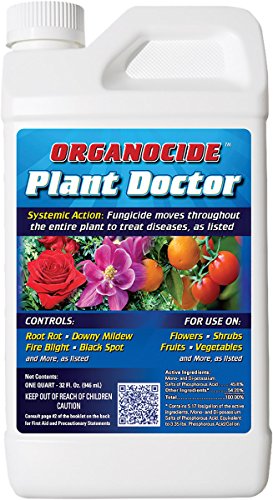
    #9 ORGANOCIDE Plant Doctor Systematic Fungicide

    ORGANOCIDE Plant doctor is a fungicide that directly helps in treating two main plant damaging diseases. The first one is the damping off and the second one is the root rot. The root rot cure it provides is mainly against the pathogens: Pythium and Phytophthora. This product can be used on azaleas, vegetables, roses, rhododendrons, fruits, shrubs, tomatoes bedding plants and more.
    To apply it in the soil drench, mix 3 teaspoons of the product with one gallon and apply it once a week for three regular weeks. This product must be used in the reservoir separately for one day because it increases the electric conductivity and PPM of water.

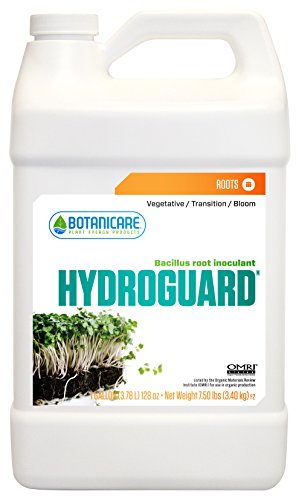
    #10 Botanical- Hydroguard

    Hydroguard botanical is a valuable bacterium that only heals the roots but also increases their size and density too. It contains an isolated form of Bacillus amyloliquefaciens. It prevents root rot and should be used by mixing 2ml of the product with one gallon of water. If new water is being added in the reservoir then add it again whenever needed.

    How to get rid of root rot with home remedies?

    #11 Root rot treatment hydrogen peroxide

    Even sometimes it seems like the plant is almost dead if watered using a mixture of hydrogen peroxide the plant may relieve to its former glory. Firstly, stop the watering and let the plant’s soil dried up completely. Mix 1 quart of water with 1 ounce of hydrogen peroxide and water the soil with this solution. Water until it is damp but not soggy. Now allow it to set and dry. Once the upper surface of the soil is dried 1-2 inches, again water it with the mixture prepared for the purpose. Continue repeating the same process so that Root rot finishes completely on the roots of your garden plants.

  • Scale Insects: 11 way to kill scale insect (Updated for 2023)

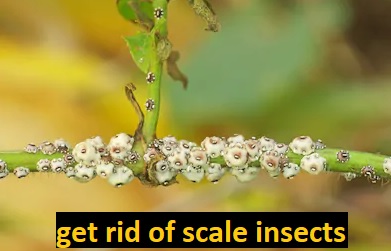
    Most scales are small and discreet insects that may have size up to ½ inch while their body color, multiple shapes are along with texture and other features may vary with the climate and species. The soft scale on plants may produce a thin, soft cottony or powdery layer and sometimes a wax molting covering their bodies that forms the part of their bodies and secrete copious amount of honeydew while armored scales have hard shield covers composed of wax and molted skin that can be separated from the body of insects. Honeydew comprises of sugars that make the plants’ foliage sweet & sticky, an attraction for ants, flies, and bees. Scale insects feeding is associated with sap sucking behavior that lead to yellowing and wilting of leaves by sucking sap from fruit-bearing plants and shrubs through piercing-sucking mouthparts. Sap feeding by scale insects may cause leaves to turn yellow and wilted, stunted & ugly looking, and finally death of parts of plants or entire plants on the heavy infestation. Plants lose their vigor and are prone to diseases like powdery mildew, sooty molds, sucking pests and borers.

    Considering their widespread damages and diseases associated with their infestation, a careful selection of remedies will lead to knowing how to get rid of scale insects on your gardening plants.

    What are scale insects?

    Adult females and nymphs of most species may be circular or ovate, without wings, without a separate head or other easily recognizable parts of their bodies. Some species change their appearance as they grow to become adults while in some other species males and females may differ in shape, size, and color. Adult males are tiny and delicate that don’t survive longer having a pair of wings & antennae while Some other scale species don’t have males and reproduce without mating.

    How to get rid of scale insects?

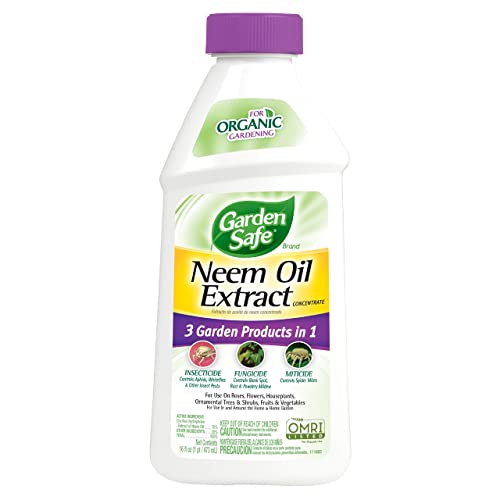
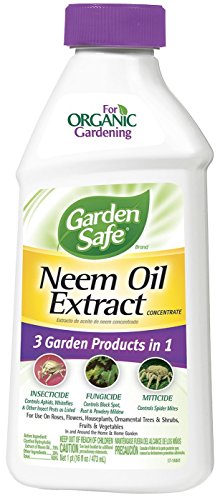
    #1 Garden Safe-Neem Oil Extract Concentrate (Chemical – Editors’ Choice)

    Plant scale treatment easy formula for organic gardening lovers that provides coverage against all 3 stages of insect development i.e. Eggs, Nymph, and adults. The formulation contains 70% neem oil that serves as an effective control against a variety of scales, chewing and sucking insects along with control on fungal diseases whereas it can be used till the time of harvests.
    How to get rid of scale on plants is so simple. Just add 3-4 tablespoon of Neem oil into 1 gallon of water and start spraying at the first appearance of any scales in your garden. For better results, repeat after every 7 days till the time of harvests without fears of residual effects being an organic solution for the entire edible greens in your garden.

    #2 Green Lacewing 1000 Eggs (Natural – Editors’ Choice)

    1000 live eggs of Green Lacewing species (Chrysoperia rufilabris) are predators for the variety of soft-bodied insect & pests that damage your edible, flowering and fruit trees in the garden including mealy bugs, aphids, spider mites, and other scale insects doing harm to your edible greens. They are capable of performing in the varying degrees of changing temperature and humidities along with their usage on gardens, greenhouses, indoor plants and decorative plants
    In the garden, 1000 Green Chrysopa eggs are sufficient for 200-250 square meters. Larva hatched from eggs will live for 2-3 weeks in the garden to become an adult that will further survive for 2 months to prey on California red scales including mealybugs and other scale insects in your garden. If all soft-bodied insects are gone, they will live on pollens only and wouldn’t harm your edible plants.

    #3 Good Bugs-Ladybugs (naturally Control)

    These are 1500 live predatory ladybugs that perform the best during the temperature ranges between 30 to 80 ℉  and are the first choice of organic gardeners for their edible greens whereas they are non-selective as well to feed on both larval and adult stages of all types of scale on plants. You definitely need to recognize them after they are released into your organic garden as they lay yellow and orange eggs in clusters of 50 or more, the larva is black crawling with orange spots and adults as beetles with black markings with yellow and reddish-orange in color.
    Besides praying on plant scales, they look for all slow-moving insects on your edible greens including aphid, leafhoppers and thrip and the most devastating strain of scales i.e mealy bugs. Release good bugs soon after sunset after watering your plants. 1500 live bugs are sufficient for 90-100 square meters area.

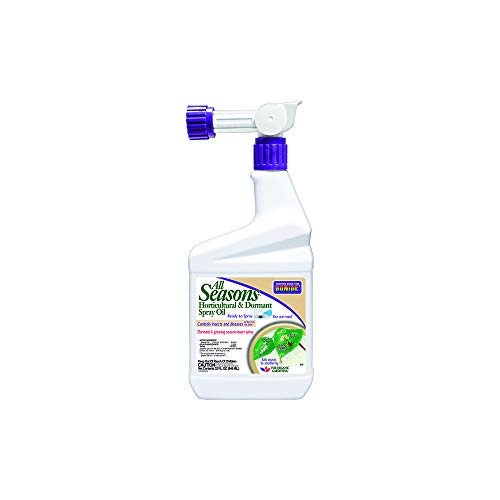
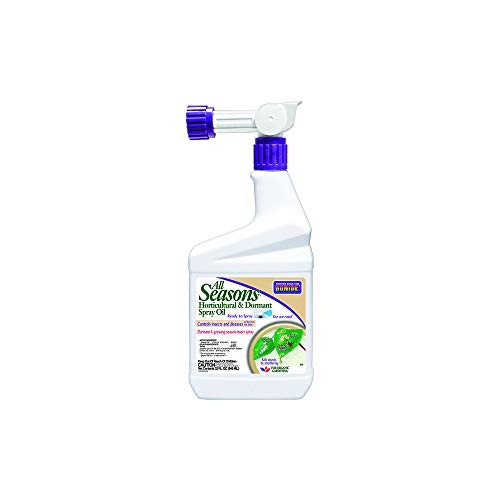
    #4 Bonide All Seasons Horticultural Oil Spray

    Bonide Horticultural oil spray contains petroleum distillates up to 98% that stay longer on the surface of the leaves if you are interested in how to kill scale insects in your garden using less toxic compounds with minimum or no residual effects at all. Normally, scale insects have shielded bodies while only those products perform well that stay longer on their bodies and that’s what Horticultural oil contains for the smooth killing of scales, leafminers, and other soft-bodied insects on your edible greens. It controls scales along with their eggs during all stages of plant growth without any harm or side effects.
    Add 2 -2.5 ounces of Horticultural Oil Spray in 1 gallon of water and spray on the entire plant foliage using a hand-held mist sprayer. Water your plants before or immediately after spraying.

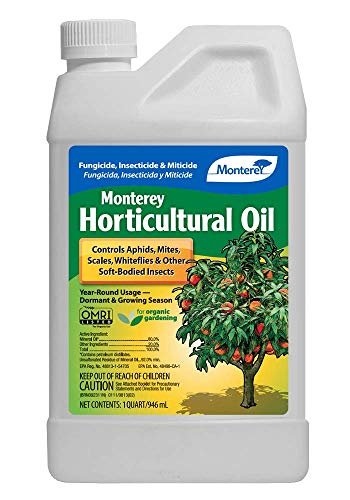
    #5 Monterey Horticultural Oil

    Another product having mineral oil in its active ingredients up to 80% that can be used easily due to it’s ready to use containers. Again, it possesses features similar to oils that stick to the surface for the leaves for effective control of scales due to immotile position on plants. It can successfully be used on vegetables, fruits, small trees and ornamentals in your garden. Generally, products containing horticultural oils are recommended for outdoor gardening on the plants that take longer to mature. Short tenure vegetables and microgreens must be avoided as you can’t harvest immediately after its use.
    Just connect the bottle with the garden hose, turn it on and start spraying on your garden plants to kill scales and all other soft-bodied insects. If the plants are limited, then add 2.5-5 ounces of Horticultural oil in 1 gallon of water and spray plants using a high-pressure hand-help sprayer.

    #6 Safer-Insect Killing Soap Concentrate

    This insect-killing soap contains potassium salts of fatty acids that are derived from the natural sources like plant extracts and seriously effective against mealybugs, aphids and other scales on your edible plants. They trigger dehydration on coming in contact with the bodies of scales including soft and hard-bodied scales. It is able to penetrate into the waxy layers of scales and turns them dead on contact leaving no harm on the gardening plants.
    Insect Killing Soap is OMRI registered, approved for organic farming and can be sprayed on the gardening plants including all edible greens and leafy vegetables during all stages of growth until harvested. Add 2.5-3 ounces of this concentrate in a gallon of water and spray the entire plants using a mist sprayer so that the upper foliage of the plants become fully wet.

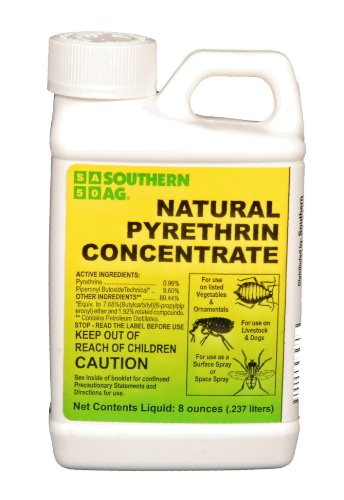
    #7 Southern Ag-Natural Pyrethrin Concentrate (Chemical Control)

    Its active ingredient is pyrethrin (0.96%) while it contains piperonyl Butoxide up to 9.6%. Piperonyl butoxide is not an insecticide but a surfactant that increases the efficacy of insecticide when sprayed on the surface of the leaves by sticking them for longer. Since plant scale treatment is a bit tricky than other pests that cause damage to your plants due to their adhering nature while most the insecticides used are spilled over waxy layers on their bodies and don’t kill them. It enables the insecticides to penetrate into the bodies of scales deeply and kills them on contact.
    Add 1-2 teaspoon of Southern pyrethrin into 1 gallon of water to spray your entire plants thoroughly in the evening. It kills the entire range of scales including mealybugs, Carolina red scales and cottony cushion scales in your edible garden.

    #8 Bonide- Insect Control Systemic Granules, 0.22% Imidacloprid (naturally Control)

    Recognizing scale insects and the damage they cause on your ornamental plants, shrubs and trees can be corrected with the quick application of systemic insecticides like Imidacloprid 0.22% formulation that absorb into the roots and transported to the plant’s foliage to make them poisoned for the scales and other damaging pests. These granules are meant to be used on any of the edible greens whether they are vegetables, fruits or herbs in your garden.
    Long-lasting control makes your ornamentals pests free for 8 weeks after application. Simple to use as well. Just incorporate granules into the garden soil after earthing up beneath the trees or plants and water them immediately so that they would absorb it for transporting it to plant foliage.

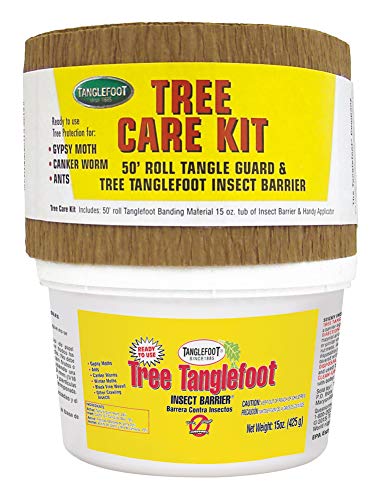
    #9 Tanglefoot Tree Care Kit (naturally Control)

    Tanglefoot works by preventing ants and pests from crawling up the tree stem from the soil to the leaves and fruit and tender shoots. Its application along the tree stem stops the movement of all crawling insects that bring soil-borne diseases to the plant foliage. You need to cover the trunk with the paper before applying Tanglefoot on the stem.
    Try to band your tree trunk at 2-3 different sites keeping some distance so that low flying insects are also captured. You can also hang yellow cardboards near the trunk where you applied Tanglefoot.

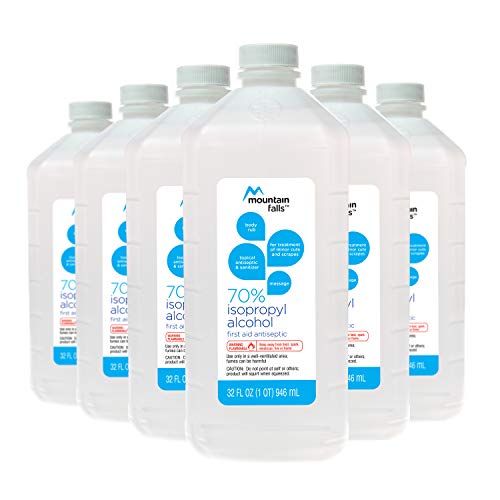
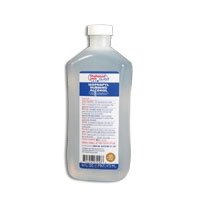
    #10 Rubbing Alcohol (naturally Control)

    Rubbing alcohol works well when infestations are low on limited branches or plants. You may use a cotton swab to dip into alcohol and clean the infested stuff. Alcohol dissolves their skin and dies of dehydration in this process.
    Keep it repeating till you notice any type of scales on your edible plants in the garden. You can also make a 50% solution, put into the garden sprayer and spray on the infested leaves.

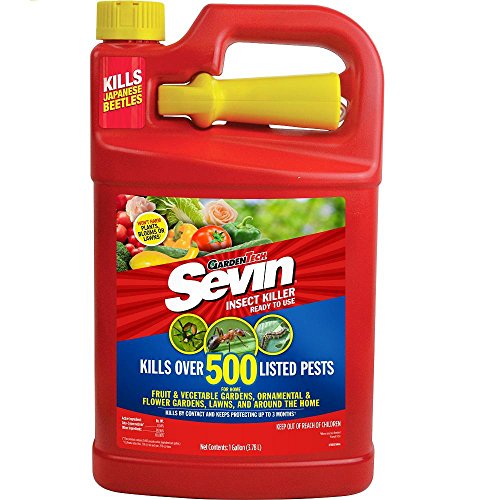
    #11 Sevin Insectkil 32oz Rts (Systemic Control)

    Get rid of scale on plants if they are in the limited ratio. This quick remedy contains Zeta Cypermethrin in very limited quantity ( 0.35%) and is considered the best for ornamental plants including all indoor. Avoid using on vegetable or microgreens due to its residual effects but it performs best to tackle all sorts of scales including mealybugs.
    The product is best to protect small plants and seedling if they are not edible. It is ready to use formulation that you can buy and spray to kill scales instantly.

    Life Cycle of scale insects

    Scales hatching takes place from eggs and they develop through nymph & larva to an adult. Once matured, females produce eggs that are habitually covered under their bodies, although some species lay eggs under prominent waxy covers. Eggs are usually in the clusters of 50 or more undersides of the leaves. Eggs hatch into crawlers that settle upon getting the suitable host to make fresh colonies apart from the parent flocks. Their feeding starts typically within 1 to 2 days after they were hatched. The existence of all of their life stages may widespread during the entire growing conditions.

    How to Control Scale Insects?

    Cultural practices are always preferred for preventing and controlling scale insects in any organic garden. These practices would never let scales infest your garden until overruled;

    • Provide your plants proper air circulation so that the air crosses the plant foliage and reduce humidity.
    • Increase plant in the way that foliage of one plant doesn’t intermingle with others.
    • Water your plants regularly and keep underneath soil well-drained.
    • Remove plant debris and undecomposed matter away from your garden space.
    • Feed your plants with suitable nutrients especially avoid excessive nitrogen application.
    • Prune branches and twigs that are heavily infested with scales if on limited branches otherwise remove infested plants entirely.
    • Remove weeds and other green covers underneath your garden plants.

    How to get rid of scale on plants, naturally?

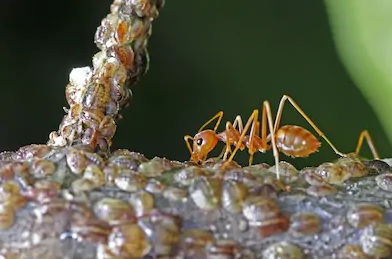
    Break scales and ants symbiosis as ants feed on the predators & parasites of scapes. Upon noticing an increase in the ant’s population be sure that they are being attracted to the waxy layers & secretions of scales. Sticky traps will help you stop ants climbing up your gardening plants.

  • How to Get Rid of Russet Mites: 10 way to kill russet mites on Cannabis (Updated for 2022)

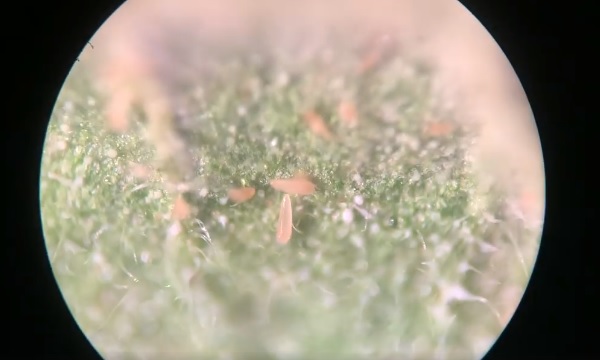
    They are tremendously small to observe with the naked eye while to see an individual mite magnification lens is complimentary having a minimum of 14X power. Due to their minute size, noticed only when sizeable damage is already done. Their presence causes the removal of cell contents from the leaves, fruits, and tender stems when they are present enormously on the damaged leaves resulting in the russeting of leaves that further leads to yellow or brown spotting of the leaves. Foliage visibly becomes brittle and may occasionally break from the leaf petiole whereas their presence on the stem turns it into an insignificant bronze color. The suppression in the flower bud growth and size is observed upon infestation if not handled when they attacked the plant’s upper foliage.

     
    If not properly treated, russet mite damages the entire foliage of your plants. Immediate response is needed when such symptoms begin to appear on the gardening plant before it spreads all around. The best possible treatment that can lead to getting rid of russet mites includes the following.


    How to get rid of russet mites on cannabis plant

    #1 CONSERVE – Naturalyte Insect Control (Chemical – Editors’ Choice)

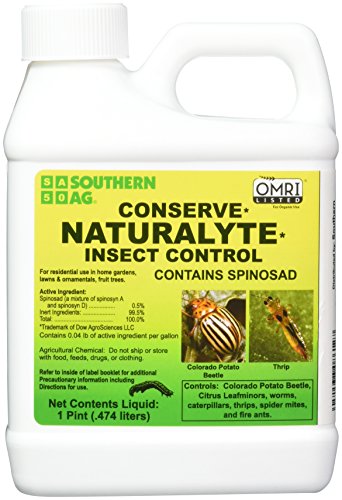
    Conserve contains 0.5% active ingredient that is Spinosad in Soluble Concentrate formulation under OMRI listing and safe for organic gardening of vegetables, fruits and edible greens in your garden space. Spinosad is good to use against the variety of sucking, chewing and boring pests on all types of garden plants including russet mites and broad mites. Spinosad also targets a variety of beetles,  corn earworms and fruitflies in the garden.
    Add 2 ounces of this concentrate in 1 gallon of water and spray your edible plants thoroughly using a mist sprayer in the way that the plant’s foliage is completely washed. Organic products are safe to spray until the time of harvest in your organic garden.

    #2 Predatory Mites – Neoseiulus californicus (Natural – Editors’ Choice)

    Hemp russet mites (Aculops cannibicola) start feeding on the plant cells through inserting their sucking mouthparts which drain out the sap of the plants that turn the leaves slightly upward and curly along the edges. Hemp russet mites seem proficient in living and replicating on the Cannabis if grown in the greenhouse or hydroponics culture due to the steady environment. Though their presence on the outdoor Cannabis plants is also noticed during the hot and humid climate. This clearly shows that they have the ability to survive under the variety of climatic conditions indoor & outdoor as well. The predatory mites (Neoseiulus californicus) is the seamless answer for different types of growing conditions for Cannabis. Generally, 5-10 predatory mites are recommended to release in 1 square feet area that can be increased on severe infestations. It can be released once, biweekly or when desired. They are also considered the best biological control on higher temperatures without any harmful effects on Cannabis. Slow & gentle release is recommended as per label instructions.

    #3 Amblyseius swirskii-ULTIMITE sachets by Natural Enemies

    Amblyseius swirskii is another good control for Russet or broad mites on Cannabis and vegetables, indoors. These predatory mites are often released in hot and humid climatic conditions like a greenhouse. It preys on thrips, spider mites and especially russet mites on all gardening plants. The best results can be obtained by handing the Amblyseius swirskii-ULTIMITE slow-release sachets to the height of plants foliage. Moreover, they spread and develop a fairly good pace in the crops having a good pollen set due to their feeding on them. It is also considered heavy feeder of russet mite on cucumbers, gerbera, eggplants, and peppers on 68°F and above.

    #4 Yellow Sulfur Powder Greenway Biotech

    The problem arises in growing Cannabis indoor using Hydroponics or in the greenhouse because the Russet mite Cannabis has the capability to infest such plants due to their minute size. They enter the closed environment with some carrying agents or through the cervices in the structure of the greenhouse. While growing indoor there are the chances of suffocation for the workers or labor involved. It needs the utmost care to apply such insecticides that are less harmful to the environment or workers and has organic nature. Although Greenway or any other Sulfur is always listed as a fungicide, they perform exceptionally well against the Acari family and have drastic control on all types of mites on Cannabis plants. Moreover, organic elemental Sulfur products can be used well before harvests. It contains 99% active elemental Sulfur and can be safely used on all of your edible greens including Cannabis, Vegetables, and Fruits.
    Add  1 to 2 teaspoons near the stem of the plants and water. Its slow-release product and will eliminate russet mite on Cannabis along with enhancing the vigor of the plants.

    #5 Abamectin 0.15 Ec Generic Avid-Quart

    Tomato russet mite (Aculops lycopersiciis) another harmful pest that causes russeting on the lower leaves and stem of the plant. These damages are often noticeable when the green tomato fruit reaches to 1 inch in size. Its scare on green tomato gives rise to caterpillars in the ripened fruit. Avid contains 0. 15% abamectin as an active ingredient in EC formulation that is considered the best Insecticide and miticide to control leaf miners, spider mites and russet mites on Tomato plants while it suppresses the activity of other pests like whiteflies, thrips, and aphids. Its application on the outdoor edible greens and ornamentals is trusted by the growers and pest control professionals across the globe. It’s a contact poison that clears the plants in 1 or 2 successive applications.
    Add 2.5 ml of the Abamectin in 1 gallon of water and spray the entire plant foliage using a high-pressure hand-held sprayer. Repetition can be done after 15 days provided the infestation continues on your vegetables and fruit plants.

    #6 Garden Safe Neem Oil Extract by Garden Safe

    Neem oil extracts always contain Azadirachtin that acts as fungicides, miticide, and insecticide all together. Moreover, they are safe products to be used in organic gardening. It contains 70% Neem oil extract that is in the concentrated form to be used on vegetables, fruits, herbs, and Cannabis plants without fears of residual effects. Azadirachtin is considered the best insecticide to eggs, larvae and adult stages of the russet mites including fungus diseases such as Powdery mildews and molds along with controlling spider mites, aphids, and whiteflies on the gardening plants whereas it can be sprayed on the edible greens till the day of the harvest.
    Add 2 ounces in 1 gallon of water using a mist sprayer to spray on the vegetable plants including tomatoes and peppers to get rid of russet mites immediately. Preferable spray timing is in the evening. Water your plants immediately after spraying to avoid any sort of stress.

    #7 Green Cleaner Sprayer Home Pest Control

    Green Cleaner Home Pest Control is entirely a different formula that contains Sodium Lauryl Sulfate, Citric acid, Isopropyl alcohol in Soybean oil as their emulsifier. 3 Active agents such as Sodium Lauryl Sulfate, Citric acid, and Alcohol kill russet mites in 3-way action. i.e. Anti-molting, contact poison, and ovicidal effects hence its only application gives the clear field to the growers in gardening greens. Sodium Lauryl Sulfate and Soybean are contained 19% and 39% in the formulation respectively. The biggest advantage of using such a multi-action formula is no resistance from the pests anyways.
    Add 1-2 ounces of green cleaner in 1 gallon of water and spray on all parts of the plants including foliage, floral parts, tender shoots and stem whereas it is safe to spray on the day of harvest, even.

    What are Russet Mites?

    Russet mites are minute, microscopic pests living beneath the surface of the leaves on in the lower foliage that measure around 0.17 mm to 0.22 mm when fully developed.

    Russet mite identification is only possible using a microscope but their colonies can be seen with the naked eyes upon heavy infestations on the lower foliage that start moving upward to infest upper foliage and buds in the Cannabis.

    Being sucking pests, they suck sap from the leaf tissues causing stunting & inability to produce healthy buds on the hemp. The most common symptoms associated with their infestations are yellowing in the leaves, weaker stems and upward curling of the leaves margins that appear wet in the beginning and die ultimately. Adult russet mites have pale fawn body color and are capable to lay 10-50 in a single day depending on the temperature and humidity. Russet mite eggs are round and clear that are laid on the undersides of the leaves and plant curvatures on the Cannabis whereas the egg-laying starts in the spring that continues to increase with the surrounding temperatures. Passing through two developmental stages, Russet mites become adult in 10-15 days while their average life cycle comprises of 30 days under favorable conditions (80 F).

    Where do mites come from?

    There are several ways that favor russet mites to enter your indoor gardens to infest your plants. They are adaptable to overwinters in the form of eggs. Hatching starts on getting favorable conditions in the spring. Their infestation on the greenhouse plants is possible from the edges or corners or with the materials brought from outside into your space. Other possible reasons to infest your garden include already infested seedling, migration through birds, water splashes and birds, potting soil and mixtures brought into your garden.

    Different Broad Mites vs Russet Mites

    One may confuse with both because they affect plants in a similar way and are invisible under the leaves during the early stages of their infestations. However, they do have a separate position in our mites’ list. Both have the same life cycle time i.e. 8-15 days, this time may vary with climate and temperature conditions.

    • Broad mites have 4 different development stages; whereas, Russet mites have only two.
    • Broad mites’ eggs are colorless, elliptical in shape and luminous; whereas, eggs of Russet mites are clear, and round in shape.
    • Broad mites have 6-8 legs; on the other hand, Russet mites have only two front legs.
    • Broad mites are oval in shape, whereas, Russet mites are wedge-like.
    • The damage caused by Russet mites is more lethal than the one caused by the Broad mites.
    • Both drain the plants’ nutrients and caused their leaves to turn yellowish, dull and turned from the edges.
    • Both affect the whole growth of the plant, not only the growth of leaves and buds.

    How to prevent russet mites?

    These tips will definitely help you to stop the flare of Russet mites on both outdoor and indoor gardening environments;

    • Upon heavy infestations, heat your grow room to 115°F for continuously one hour as Russet mites can’t survive on these temperatures but take care as any extraordinary fluctuations may have adverse effects on your Cannabis plants such as heat stress or burning.
    • Sterilize your greenhouse or gardening soil to kills pathogens and russet mites’ eggs using steam whereas in the open field direct exposure to sunlight will also help stop their infestation.
    • Avoid using infected gardening tools and accessories along with gardening potting mixtures that may carry eggs.
    • Always work on the early detection methods to see any possible signs of infestation on the leaves near stem in outdoor farming and middle foliage in the indoor growing.
    • Continue removing all infested leaves, tender shoots and stems and the entire plants on noticing heavy infestations including the undecomposed organic litter and debris.
    • Always work on the hygiene of your grow space with your focus on the plant health by feeding them with the proper nutrient solutions avoiding excessive nitrogen applications.
    • Introduce beneficial nematodes & predatory mites just before temperatures begin to rise in the gardening area.

    While growing indoors, be careful about the use of insecticides that have residual effects or fumigates that can affect the health of workers but always choose natural & organic techniques without compromising health. What kills mites is not an issue rather how to kill russet mites is more important that depends on your choice and need;

    How to kill russet mites naturally?

    #8 Safer Diatomaceous Earth

    DE contains Silicon Dioxide 85% which is derived from the fossilized rocks while no chemical is added in the product. Its control action is totally physical as the bugs and mites are trapped inside the tiny pores of the structure that stops their further movement hence they die of dehydration. DE also stops the molting of the russet mites and they can’t move to the next developmental stage. Being a physical control, there are no chances to develop any resistance against this product. Spreading DE as a thin layer on the surface of the soil near the stem of the plants will not allow the russet mites to infect neighboring plants. A thin layer can also be applied on the surface of the leaves and soil as well in the greenhouse.

    #9 Isopropyl Rubbing Alcohol 70%

    Isopropyl Alcohol or Rubbing Alcohol is best to stop infestations of the russet mites on early signs. You can use 1 part Rubbing Alcohol and 3 parts of water to wash leaves of the infested plants manually if you are growing a small number of plants. Another best way is to use the same solution for spraying on the plant foliage using a high-pressure hand-sprayer so that the mixtures drains down to the stem. It kills russet mites on contact only. Stronger mixtures can be prepared if it is supposed to be prepared against Russet mites on the Cannabis plant as they are fairly tolerant of Alcohol. Test Rubbing Alcohol solution on smaller parts prior to spraying on the entire foliage of the plants. This is an organic and a natural remedy so there is no harm for the gardeners to use it on all edible greens.

    #10 All Seasons Horticultural Oil Spray Ready To Spray

    Another best option to stay organic if you are growing Cannabis or vegetables and fruits in your grow space. This ready to use spray contains 98% mineral oil extracted from the naturally occurring sources to works exceptionally well against russet mites and broad mites with its efficacy to kill adults and eggs as well. Just connect this ready to use Horticultural oil spray with the garden hose and the horticultural oil will mix into the flowing water gradually and slowly.

    Can russet mites live on humans?

    Russet mites don’t have such evidence to live on humans but they can come in contact with humans causing irritations or annoyance when present in the great numbers. These irritations can be on the skin but they are not associated with the harmful or viral diseases since they don’t transmit such problems.

  • How to Get Rid of Leaf Miners: 11 way kill leaf miners in garden (Updated 2022)

    Leaf mining is referred to the infestations of several mines generating larval stages of insects that leave a slimy trail on the surface of the leaves while digging a curling mine into the leaf tissues. This tunneling pattern would be similar if the larvae of beetles, moths, flies or wasp are present inside the leaf tissue and feeding on the soft sap to retard the growth of gardening plants. There are almost 300 species of these insects that are placed in the leaf miner’s category while 5-6 species are treated as serious garden pests including Citrus leaf miner, Vegetable leaf miner, Tomato leaf miner and Chickpea leaf miner that are quite host-specific while they also affect the plants similar to their host plants.
    Their infestations are more prevalent on the newly developed leaves having soft tissue that decreases when the leaf tissues become hardened. The larva of the infesting insect is difficult to notice as it survives inside the leaf tissue. Citrus leaf miner damages are also widespread during the first two years of growth and become less visible on aging. Upon heavy infestation, they retard the growth of plants, curl leaf margins and cause defoliation that may result in the death of plants. Later in the article, you will further read more description about how to identify leaf miners so before that let’s check some leaf miner treatment quickly.

    How to kill leaf miners?

    How to fight leaf miners involve several strategies that involve preventing, stopping and killing leaf miners during different stages of their development. Besides several biological and chemical control, you have also options to control them physical methods. After monitoring their infestation patterns & behavior, we know well about the larval damages and the process when they pupate to become adult and lay eggs either on the overturned leaf or on the soil if those leaves or pupa fall on the ground in the garden. Their hatching may take place in the soil and they will return to the plant foliage for their feed. It’s the best time to control them physically in the soil. Application of EasyGo Diatomaceous Earth on the surface of soil beneath the plant canopy along with its application on the surface of the leaves will do this trick for you.

    #1 Natural Guard Spinosad Soap (Chemical – Editors’ Choice)

    This soap contains Spinosad 0.1% along with Potassium salts of fatty acid up to 18.8 % in weight to volume composition that triggers its killing effect after making a combination of two strong active agents. It is highly effective in controlling heavily infested garden plants that are attacked by leaf miners, aphids and other chewing and sucking insects including caterpillars on your garden plants.
    it kills pests on direct body contact within a few minutes whereas its label instruction recommends it for using on vegetables and fruits in residential gardens. Add 7 ounces in 1 gallon of water and spray your edible plants using a mist sprayer in the evening.

    #2 BioLogic Scanmask Steinernema Feltiae-Beneficial Nematodes (Natural – Editors’ Choice)

    BioLogic Scanmask contains superior nematodes from the parasitic species Steinernema feltiae. They are native to the US and raised inside the US as well that come in preposition of 42.5 % nematodes containing around 17% moisture in an enclosed icebox to maintain their quality and supremacy in the gardening biological control measures. Upon release into the garden, Steinernama nematodes search their host and penetrate into their bodies to release a bacteria which kills leaf miners, aphids, whiteflies and gnats along with 200 other pests and is a good development for small organic gardeners across the US.
    5 million garden pack is sufficient to release in 20 square meters area while the Nem-Jet sprayer is best to use in the spraying process to maintain the efficacy and longevity of the control. Water your edible garden plants before and after spraying beneficial nematodes for the best control.

    #3 Diglyphus Isaea – Parasitic Wasps (Natural Control)

    This parasitic wasp ceases leaf miner damage due to its egg-laying capability inside the tunnel of the larva. Their larvae feed on larvae of leaf miners located inside leaf issues. Leaf miners larva gets paralyzed and fell easy for the larva of Diglyphus isaea whereas their Adults live on the adult leaf miners to prey. These parasitic wasps are highly effective against Tomato and Chrysanthemum leaf miners in any organic garden.
    Ideally, they can be released in February for Greenhouse crops while for the outdoor garden plants April is recommended. They will successfully develop upon the presence of the reasonable number of leaf miner larvae on your edible garden plants. They are released gradually on plants i.e. 1 parasitic wasp for 1 square meter garden area for 3-4 consecutive weeks.

    #4 EasyGo Products Diatomaceous Earth (Natural Control)

    This food-grade DE contains several diatoms whereas the larva and pupa get entered into the tiny pores in DE and will never revert back to harm your lovely edible greens.
    try for sure, it works superbly.

    #5 Talstar One Termiticide Insecticide (Chemical Control)

    Talstar 1 contains 7.9% Bifenthrin as its active ingredient that can be used to kill leaf miners away from their host plants when they are present on hedges, ornamental trees and shrubs in or around your garden space and are preparing to invade your garden in the late spring or summer. This product has certain restrictions to use it on edible plants like vegetables, fruits, and microgreens including herbs and Salad crops that are short maturing whereas it can be used on pears, oranges, apples, and hickory trees if your state agriculture department permits its application on these fruit trees.
    Talstar 1 can be added from 0.2 ounces to 2 ounces in 1 gallon of water that depends on the infestations and type of pests needed to control. It is the best foliar spray that can be applied when the leaf miners are busy in making tunnels to the leaf tissues of your lovely gardening plants.

    #6 Citrus Leafminer Traps (Organic Control)

    These are pheromone traps that do not attract moths of other species other than Citrus leaf miners and is among Leaf miners organic control that doesn’t need any type of spraying on the plants.
    This pheromone lure is framed with increased efficacy and longer field life that stays effective for 2-3 months in the citrus field. Similar lures are being used by the entomologists in both USDA and CDFA to monitor and trap moths of Phyllocnistis citrella.
    The application is very simple. Just hang containers equal to the height of plant foliage.

    #7 Sticky Thrip Leafminer Traps

    This leaf miners organic control is in the frequent use of home gardeners who are afraid of using insecticides for leaf miners control. It can be hanged on the plants to attract every type of flying insects including leaf miners, aphids and whiteflies. It’s sticky, yellow and blue to attract and capture a variety of insects that feed on your edible greens, vegetables, and fruits.
    Weatherproof makes it long-lasting even during the rain or showers in your organic garden. Keep this good looking leaf miners trap on the permanent basis to stop infestations of any sort of invading pests in your garden.

    #8 Bonide-Neem Oil, Insect Pesticide for Organic Gardening

    Bonide Neem Oil is ready to use leaf miner spray that contains 0.9 % neem in the diluted form. It is also an excellent fungicide and miticide along with its strong insecticidal properties to work against flying adults, their larva and eggs as well.
    just pick up the spray bottle and point towards plants highly effected by leaf miners and other damaging insects on vegetables, fruits, and herbs plants in your organic garden. Moreover, it can be sprayed until the time of your harvest due to organic ingredients without fearing any residual effects.

    #9 Bonide Pyrethrin Garden Insect Spray (Chemical control)

    It contains 1% pyrethrin only while it is highly effective against the variety of leaf miners species including Citrus leaf miners, Cabbage leaf miners and Tomato leaf miners in the organic garden.
    this product is generally recommended for indoor gardening especially greenhouse farming while it can be used on outdoor edible plants including the entire range of vegetables and fruits.
    Add 1.5 ounce in 1 gallon of water and spray on the upper & middle foliage of plants infested with leaf miners. Prefer mist sprayer so that the droplets don’t run off the leaves of the plant because it contains a surfactant that adheres to the surface of the leaves for long-lasting control.

    #10 Imidacloprid 0.5G systemic insecticide (Chemical control)

    Imidacloprid 0.5% application performs much better if you are preparing the soil to grow your plants while it also works fine during or immediately after the leaf miners or other insects lay their eggs in your garden.
    this systemic insecticide Granule is incorporated into the planting soil so that it is absorbed by the roots and translocated to the plant foliage to make them poisoned for sucking and biting insects and keeps them well in control for next 6 weeks. An application in the late spring and summers will stop larva to mine into the leaves of your favorite plants. It’s broad-spectrum insecticides that have certain limitations about its use on edible plants. Spread Granules on the soil surface according to overleaf manual instructions while 1.5-1.8 ounces are needed to spread in 100 square meter area.

    #11 Asafoetida Yellow 100g (Hing) or Asafoetida Latex

    Asafoetida is a common spice primarily use in Asian cooking especially Pakistan and India and is native to mountainous ranges of Afghanistan. Latex is extracted from the root of the plants and used for culinary purposes that add a significant aroma to cooked food.
    Add 100 grams of latex or the dry powder in 1 pint of water and keep it boiling (5 minutes). Let it cool down to room temperature and add more water to make a 1-gallon solution. Keep this solution spraying on your garden plants using a hand-held pressure sprayer. Keep it repeating till your grown vegetables, fruits, herbs and microgreens get fully matured. It is organic and a natural remedy that will help you keep conventional insecticides away from your edible garden, forever. It deters leaf miners and kills eggs and larvae of a variety of garden pests.

    Best Natural Control for Garden

    Top Sales Product Link Related to Article Price
    RESCUE! Reusable Yellowjacket Trap with Attractant from $13.98
    RESCUE! Yellowjacket Attractant Cartridge (YJTC) – Compatible with RESCUE! Reusable Yellowjacket Trap – No Killing… from $9.99
    RESCUE! Non-Toxic Disposable Summer Yellowjacket Trap with Attractant – Western Time Zones from $7.47
    Tanglefoot 300000430 Waspinator from $27.39
    FMI Brands Inc. Original Get Lost Wasp Natural and Safe Non-Toxic Hanging Wasp Deterrent – for Wasps Hornets… from $10.89
    Rescue Non-Toxic Yellowjacket Trap Attractant Refill from $4.73
    Fatal Funnel FFW-6P Wasp and Hornet Traps, 6-Pack from $11.10
    Pic Wasp, Yellow Jacket & Hornet Trap from $10.84
    RESCUE Sterling INTRNTL W-H-Y Trap WASP Hornet & Yellowjacket ATTRACTANT 2 Week Supply from $7.31
    RESCUE! W-H-Y Trap Attractant from $28.89
    RESCUE! Disposable Summer Yellowjacket Trap with Attractant – Eastern Time Zones from $5.28
    Victor M362 Poison-Free Reusable Yellow Jacket & Flying Insect Trap from $11.46
    Waspinator Waspinator – Set of 3 from $28.99
    RESCUE TSF 77940 Non-Toxic Trapstik for Flies, 1 Pack from $6.99
    Rescue YJTC Yellowjacket Attractant Cartridge For Use In the Rescue Yellowjacket Trap, Non-Toxic, No Killing Agents, 10… from $35.38
    Upper Bound Qty 50 Honeycomb Deterrent Stickers Prevent Eliminate Yellow Jacket Bee Hornet Wasp Nest Without Chemicals from $10.99
    Mcnaughton Wasp Trap Boxed from $15.00
    Safer 02006 Deluxe Yellow Jacket Wasp Trap Bait – 3 Refills from $7.40
    PIC Wasp Trap from $19.99
    Safer Brand 00280 Deluxe Jacket Wasp Trap with Bait from $12.87
    The Original Ultrasonic Pest Repellent – Electronic Pest Control Plug In-Pest Repeller for Insect – Roaches, Bugs, Fleas… from $15.00

    What are leaf miners?

    Leafminers are tiny are light-stained moth usually less than 1 centimeter long with lustrous grey forewings and black spotted wingtips. Wings may have white and brown spots while rare wings are white along with the body. The hind wings and body are white with long peripheral scales outspreading from the rare wings. The larvae exist inside leaf tissues that can’t be seen unless cultured but its salivary, twisting trails are visible on the surface of the leaves that help us identify its presence into the leaf tissue as twisting, swelling tunnels on the surface of leaf are characterized by leaf miner damage on plants. In the later developmental stages, the larva appears from the tunnel and travels to the leaf margins that turn the leaf around its body and heads toward pupation. The curly leaves drop from the plant either pupa inside the leaf or an adult.  Egg-laying continues and generations keep on developing this way.

    How to prevent leaf miners?

    • Work on the health and bloom of your edible garden to invite natural parasites, pollinators, and predators that live on the larva and adults leaf miners such as Pnigalio and Cirrospilus species along with planting Thyme, Marigold, Garlic and Chrysanthemums.
    • Never apply nitrogen fertilizers at the time of fruit set in vegetables and other edible plants since it gives rise to new shoots and that is the biggest attraction for leaf miners.
    • Try to either minimize all broadleaf vegetables and shrubs or closely monitor for the early infestations to take action against them.
    • Remove plant debris and infected leaves from your garden space.
    • Water your plants at regular intervals, never overwater and try to improve drainage.
    • Observe proper plant spacing and distances to stop their infestations.
    • If possible, apply protective plant covers to stop adults flying to your plants along with hanging leaf miners moth traps in your edible garden.

    How to stop leaf miners?

    How to stop leaf miners is fairly simple with this homemade leaf miner spray that works year-round and keeps infestation in control on all edible greens including vegetables, fruits, and herbs.

  • How to Get Rid of Fire Ants: 10 way to kill ants and fire ants in your garden (Review 2022)

    What are the Fire ants?

    Fire ants belong to the genus Solenopsis in the family Fromicidae that are widely spread in the Southern and Central US along with their presence in some temperature areas of North America whereas above 200 species of the Genus are found across the world. The most widely spread species in the Genus is Solenopsis invicta that was brought to the US is the result of the commodity trade and human interaction from South America. Many ants bite using their mandibles and are known to secrete formic acid that causes severe irritation on the human skin whereas workers in the group are notoriously famous for damaging stored food grain, potted and garden plants and stinging hen and chicken including pets.

    If you facing any type of serious issue while facing fire ants and interested to know how to get rid of fire ants permanently? here are some quick remedies for their effective control.

    How to Get Rid of Ants and Fire ants?

    The elimination of red ants, Broad-headed ants, and fire ants together is equally important if you have an infestation of any type mentioned here. The majority of the baits that kill fire ants may not be effectively killing all other strains of ants present in your house or outdoor. The best solution is to treat them away from the home where they are present in their mounds. Try out this insecticide that will kill them while they are in their mounds and will never let them come back until the next season.

    #1 Talstar Pro (Chemical – Editors’ Choice)

    This insecticide contains 7.9% of bifenthrin and is highly effective against all strain of ants in your outdoor garden.
    just add concentrate on the mound and thoroughly apply water afterward. This liquid penetrates deep down to mounds and kills all types of ants inside their hives.

    #2 Fertilome- Fire Ant Killer (Natural – Editors’ Choice)

    Fertilome Ant killer contains 0.015% Spinosad that is highly effective as safe if you are supposed to kill fire ants, carpenter ants, and red ants on your favorite gardening greens, vegetables, and fruits plants. It kills both the Queens and exterminates their mounds within 24 hours of application. The best solution if you are interested to know How to Get Rid of Ants on Cannabis Plants?
    Fertilome ant killer has no odors and doesn’t need water if you are trying on grass turf, pastures, ornamental plants and landscapes whereas it is equally good for fruit plants and the Cannabis if you are them in your outdoor garden. This pack is sufficient to treat a 900 to 1000 square meter area.
    Covers Up To 10,000 sq. ft.

    #3 AMDRO Fire Ant Bait

    Amdro bait contains 0.73 % of active ingredient (Hydramethylnon). Considering it was food for them, fire ants take it back to mound to share it with other ants and the Queen. The Bait has a natural delay that doesn’t kill the carrying ants, instantly. Once, it is eaten by the Queen and worker ants, they die at the spot. In results, the entire mound is finished.
    The Queen is killed within a week after it has swallowed the bait while the rest of the ants in soil under the mound are killed after 2 weeks of its application. You need to sprinkle 4-5 teaspoons around the mound whereas watering the bait is not required for better results. Now the question arises that How to get rid of fire ants in flower pots? simply spread the bait around your flower pots, that’s it. You are done as they will not be able to harm your precious plants until the bait is there.

    #4 All Natural Ant Repellent

    This natural Repellent is derived from Cedarwood, Lemongrass, and Neem that can be applied to the places infested with higher populations of fire ants without fearing its residual effects, indoor.
    application at the point of emergence, passage trail or on their nest performs better when applied at night for continuous 5-7 days. Later continue using weekly once they have vanished from the scene will keep them this stuff away from you. Be sure repellents work to deter ants and don’t kill them at the spot to make a litter and create odors indoor.

    #5 Advion Fire Ant Bait

    Advion fire ant bait is very effective and fast-acting for the reasons it contains Indoxacarb that is a long-lasting residual insecticide in the outdoor conditions if you are having fire ants in your garden on potted plants or garden beds. The invasive fire ants get killed in 3-5 working days leaving no chance for their reappearance at the treated places.
    How to kill fire ants? seems no problem if you apply it directly on the mounds or broadcast at the most familiar places, they are wondering. Its 1.5 pounds is needed to cover about half an acre if you are treated fire ants in your lawn, grass turf or yard. It can be applied around potted plants and garden beds. Be careful to apply directly to the leaves of the plants due to strong residual effects.

    #6 Ortho Fire Ant Mound Treatment

    Another good option if you want to know how to get rid of fire ants in plants? It is advisable to search mounds near the garden beds or plants and apply directly over the mounds for effective control.
    Applies directly to the mound and water afterward so that it permeates deep down to colony to workers and the Queen ant.
    This treatment contains Bifenthrin that is highly effective against all types of ants including fire ants and red ants that are probably spreading from some unattended yard or lawn in the neighborhood. Keep the bait away from the roots of the edible plants in your garden. Applying it on the mounds and watering subsequently is strongly recommended for the effective killing of all types of ants.

    #7 BlackJack All-Natural Ant Killer Spray

    This non-toxic, natural formula kills all types of ants on direct contact. It contains an essential oil that emits light but decent natural odor and can directly be sprayed over the bodies of the ants including fire ants, carpenter ants, and red ants, indoors. You can use it in the kitchen, patios, washrooms and sitting lobby without the fear of toxins or residual effects that common insecticides are made of.
    The sprayer comes in a ready to use bottle and you can trigger it once the fire ants are noticed on your potted plants while you are at the liberty to use it indoors without any fear.

    How do you identify fire ants?

    Fire ants have variable sizes about 1/8th of inch to 1/4th of an inch while all other ants have the uniform size, when present while, their heavy infestation can be noticed by the size of the mounds they built outdoors at an unattended or the neglected place. Their stinging behavior also popularizes them among the homeowners and gardeners that fell pray to them often.
    If you disturb them, they are ready to charge you instantly and if bitten, their stings may feel if you were burnt and that’s the reason they are named after. Another characteristic is the type of their mounds that don’t have openings on the top like many other native species but they enter their mounds through mines located in the corners of the mounds. The height of the mounds may sometimes reach as high as 18 inches at the locations, they were least disturbed.

    How do you identify ants on cannabis plant?

    If your Cannabis plants are over infested with Aphids then there is a need to look into the ant’s presence as well because aphids provide them with their favorite feast called honeydew. You may notice them in the new buds and tender shoots while after taking honeydew they would probably move to the root zone of the Cannabis plants where they may cause a serious threat to plant health and yield, ultimately.

    Are fire ants dangerous?

    Yes, definitely. The gardeners stepping onto their mounds accidentally have the bitter experiences to be bitten repeatedly while few of them had developed severe allergies, burning skins that later on turned into water-filled blisters causing them severe irritations at the site they were stung.

    Signs of fire Ant Infestation

    Most common signs of fire ant infestations are the presence of the earthen mounds in any corner of the garden, unattended spot and on the turfgrass, outdoors. They can also be found in the kitchen waste or at the places where food grains are stored especially check sugar pots and the places that are humid and poorly ventilated inside the home. Their heavy infestations in the outdoors tend them to search for the food and they swarm inside where they may sting the homeowners if neglected.

    Are Fire Ants Good or Bad?

    Overall, ants help us in the rapid decomposition of organic waste that otherwise takes time to decompose if they were not present. All sort of ants builds mounds while in making them they aerate our soil and reduce the soil compaction. They live on the dead matters and eat up everything they find in their food search. Their major food consists of insects that are otherwise pests for the crops and considerably reduce their presence in the field. In the agriculture field, they are reported to reduce the infestations of mites, termites, caterpillars, and crop borers when present in large numbers. They also live on the eggs of few pests whereas the only thing bad associated with fire ants is their repeatedly stinging behavior to which homeowners and gardeners are afraid of. Collectively, they are a good addition to the fertility of the soil and helping us in the ecosystem.

    What is the symbiotic relationship between aphids and ants?

    Many species of the ants are considered to have a mutualistic relationship with aphids and blue-winged caterpillars that feed and defend each other from environmental extremes and let them hibernate in their colonies under their mounds. One such typical relation is seen between aphids and a variety of ant species. The aphids are famous for secreting their honeydew on the undersides of the leaves that are used to feed ants while ants take aphids to their underground hidings during the night to save from predators and take them back to plant leaves, next morning. It is also established that ants collect their eggs to place them in their mounds for overwintering while hatched is conveyed to the plants next spring. Another such relationship is also noticed between ants and blue-winged caterpillars. The honeydew from this caterpillar is also desired for feeding ants while they take the caterpillar into their hives during the fall, pupates there and crawls back to plants.

    What home remedy will kill fire ants?

    Here are simple and easy to prepare remedies that will deter and kill ants if they are heavily infested around your garden or home.

    #8 Arm & Hammer Baking Soda

    Add equal parts of water, baking soda, and natural vinegar and use the mixture to pour on the mounds in your garden or trails they are making inside your house.
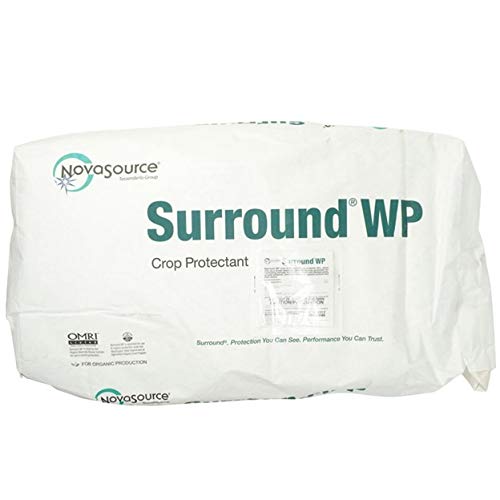
    This is simply a deterrent and will not kill on contact. They are supposed to leave their mound that you can destroy without fearing being bitten by them.

    #9 Salt, Water, Sugar & Bran mix

    You can make this solution at home by mixing 65% bran, 10% sugar and 25% of Salt and water mix. Together these substances make a good paste that acts as a strong attractant for ants while they would love to carry it to their mounds. Spread this bait to the areas where they are heavily infested such as mounds, creeping trials and any other places in or around your house.
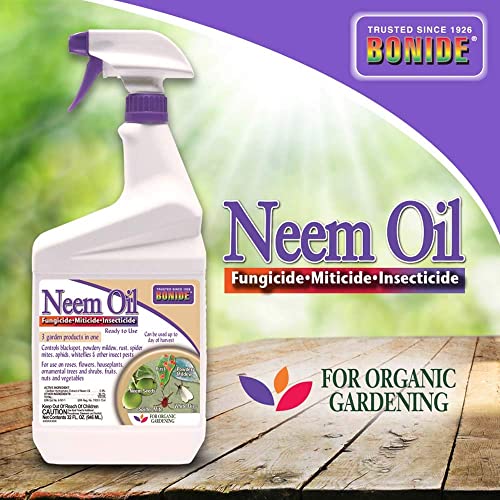
    #10 Himalayan Pink Salt Fine

    Table salt can be used to kill ants effectively. Once applied to the bodies of the ants, they get dehydrated and die in response. While applying, you can make a 10% solution of salt with water and spray over the affected areas or trails.
    Another option is to pour finely grounded salt over the bodies of the ants and they will die instantly.

    How to get rid of fire ants in your garden?

    There are several options to get rid of fire ants in any garden but the best ants’ bait would be one with Spinosad or Pyriproxyfen that puts no residue on the edible greens and Cannabis that you are growing there.

    #11 Esteem Ant Bait

    Esteem and bait belong to the IGR group and its main function is to break the reproductive cycle in ants and other pests in your garden on edible plants including Cannabis and vegetables. It causes the ants to starve and die while it is effective on the large colonies and mounds existing in your garden.
    You can apply it freely on vine plants, vegetables, fruit trees, herbs, and Cannabis plants during the moderate temperatures.

    #12 EcoSMART organic insecticide for the botanical garden

    Its botanical ingredients are completely safe on the gardening greens and there is no harm for the pets or children living around. It is synthetically prepared and can be applied directly to the foliage of the entire edible plants.
    Ihe product comes in ready to use containers and can be sprayed on vegetables, fruit trees, vines and the Cannabis plant in your edible garden.

  • The 10 Best Organic Insect Spray (Reviews 2022)

    Top 10 Organic Insect Controls for Indoor

    #1 Best Organic Neem Oil: Organic Verdana Cold Pressed Neem Oil – 16 Fluid Ounce

    If you are serious about growing vibrant, healthy cannabis, then you will know Neem-oil is a must-have natural product to help prevent and cure insect and fungus problems impacting your crop. This Certified Organic Neem-oil from Verdana is totally non-toxic yet keeps away unwanted bugs without affecting friendly ones and keeps your plant looking beautifully green and bug-less without scaring away bees, butterflies or ladybugs.
    With regular application of this powerful natural tonic, you will also help to suppress conditions that would otherwise thrive in the humid environment you will want to create for your plant. For example, this excellent product will prevent powdery mildew, rose black spots and rust fungi developing and stifling healthy growth. If used alongside sticky strips you can even bring an infestation of fungus gnats under control as the Neem makes the leaves inedible.
    The only cons of this product is that it doesn’t like the cold, it can’t be used from 3 weeks before harvest and you need to apply it regularly to keep your plants bug free.
    #Aphids #Fungus_Gnats #Leaf_Miners #Organic #Rose_Black_Spots #Spider_Mites

    #2 Best Indoor Fly Trap: Sticky Bug, Gnat, and Fruit Fly Trap

    When growing indoors it is easy to become overrun with all sorts of unwanted insects that your plants will hate and will ruin your harvest. These excellent insect catchers with double-sided glue work great to catch and trap fungus gnats, fruit flies, aphids and other flying pests without the need to spray your plant with harsh pesticides.
    The pros of this product are that it is cheap (it comes with 25 strips), it is easy to install (comes complete with useful hanging hooks and a soil loosening tool), and it naturally removes pests (without the need for chemical use). However, once exposed, the strips do only last for around 30-days and putting them up can be a bit of a tricky and sticky process even with the usefully included tools. Ultimately, the best thing about this trap is that it will rapidly rid you of flying insect infestations.
    #Aphids #Fruit_Flies #Fungus_Gnats #Organic #Sticky_Trap

    #3 Best Azadirachtin for Cannabis Plants: General Hydroponics GH2045 AzaMax, 4 Ounce

    Another excellent organic option for targeting whiteflies, spider mites, fungus gnats, thrips, aphids and leaf miners which attack your cannabis plants is through the use of Azadirachtin. Extracted from the neem seed kernel, this product from AzaMax works as an antifeedant and growth regulator – meaning that it prevents the synthesis and metabolism of the insect.
    A real positive of this product is that there are no harsh chemicals involved so there will be no adverse effects on your plants. It is also incredibly smart and is able to target pests at different stages of their development, it is also very difficult for those pests to develop resistance to this product so you can continue to use it. This AzaMax Azadirachtin works best in warmer climates so one con of this product is that it won’t work as well for those of you living in colder climates.
    #Aphids #Azadirachtin #Fungus_Gnats #Leaf_Miners #Organic #Spider_Mites #Thrips

    #4 Best Pyrethrin Spray for Spider Mites: Bonide Products 857 Pyrethrin Spray Concentrate

    If you are finding spider mites to be an issue or have tried Neem with little effect on a bug infestation, then you might want to give this Pyrethrin spray a try. Made from a chemical found in chrysanthemum flowers this chemical is also toxic to insects such as mosquitoes, fleas, flies, ants, and moths. This certified organic product is safe for use to keep your harvest insect free.
    The pros of this product are that it is a highly effective insect killer that won’t damage your plant and even when ingested by humans can be rapidly broken down by the body. You can also gently rinse your plant with water to remove this product if you think it has been over applied. However, it can be more harmful to humans if it is absorbed by the lungs so you should be careful about using this product too close to harvest time, despite its organic status.
    #Aphids #Flies #Organic #Russet_Mites #Spider_Mites

    #5 Best Live Ladybugs – Small Bag: 150 Live Ladybugs – Good Bugs – Ladybugs – Guaranteed Live Delivery!

    If you are growing indoors but like the sound of what ladybugs have to offer in terms of bug protection and wholehearted organic nature, then this small bag of live ladybugs might just be what you need. So whether you have an infestation of mites, moth-eggs, thrips, leaf-hoppers or whitefly, these will be the predator you need to take them out, whilst not being so many that your indoor grow space is more ladybug than weed paradise.
    The best thing about this bag of ladybugs is that it is small, making it perfect for indoor growers, and will ensure you can keep your plants pesticide free even if you see the dreaded growth of a spider-mite population. The downside of using ladybugs indoors will be the added burden of looking after them – just make sure you release them into a contained space with plenty of water, food and an opening that will allow them to attend to the bugs you are keeping them to fight against.
    #Ladybugs #Leaf_Hoppers #Organic #Spider_Mites #Thrips

    #6 Best Organic Insect Control for Throughout the Growing Season: PyGanic Gardening 8oz

    If you notice that the leaves of your cannabis plant have some small brown or black spots on them, or perhaps a trail that looks a little snail-like – then, unfortunately, some pesky thrips have decided to make your plants their home. These can be seriously damaging to your plants but, worry not, they can easily be eradicated thanks to this Pyrethrin Concentrate from PyGanic Gardening.
    Pyrethrin is a natural insecticide that comes from Chrysanthemum flowers – so entirely natural. This extract is poisonous to insects as it shuts down their nervous system resulting in their death. This is a very popular natural alternative among cannabis growers. A real pro of this product is that it can be used at all stages of your plants’ growth – up until the harvest, a con, however, is that you really need to make sure you get your dosages right as it can damage your plant if you use too much concentrate.
    #on_Toxic #Organic #Organic_Cannabis_Growing #Pyrethrin #Thrips

    #7 Best Predatory Mites: 2,000 Live Adult Predatory Mites

    If you’re a committed organic grower but have found your plants overrun with spider-mites and had no luck getting the ladybugs to bring down their numbers, then a good alternative that has only recently become available commercially is the introduction of predatory mites to your garden. These bugs prey specifically on mites, making them highly effective if you are becoming overrun with broad mites, rust mites, cyclamen mites or russet mites.
    The pros of this pest control option are their: 100% non-chemical nature with no risk of residual pesticide formation; targeting of mites specifically (including their eggs); suitability for hotter climates compared to ladybugs; and their huge appetite. However, as a new product to the market they are a lot more expensive than ladybugs and pesticides, but you won’t regret keeping pesticides off your plants and these guys are just as effective.
    #Cyclamen_Mites #Organic #Russet_Mites #Rust_Mites #Spider_Mites

    #8 Best Natural Mite Control Spray: Sierra Natural Science Mite Control – 1 Quart

    If you are getting started with organic growing, have noticed that some of the certified organic pesticides still appear to be a harsh chemical product that you don’t want making its way into your crop, and don’t like the idea of adding more bugs into the mix, then Sierra Natural Science have a great range of products that will offer you a third way. This spray, made of natural salts and fatty acids drawn from rosemary kills mites and their eggs whilst being fully non toxic to humans and animals.
    The best things about this product are that it is super effective at killing off spider mites and their eggs, it is not a harsh chemical that will leave nasty pesticide residue in your weed that could cause damage to your lungs, and it is a spray on treatment that doesn’t require more bugs to control a bug infestation! Whilst it is quite expensive, it definitely seems worth it considering the benefits you’ll get.
    #Mites #Natural #Organic #Spider_Mites #Spider_Mites_Eggs

    #9 Best Citrus Spray for Cannabis Plants: Bonide 218 Concentrate Citrus Spray, 32-Ounces

    An organic alternative to using chemical based pesticides is citrus oil. Citrus oil can be used as an effective pesticide against common pests that congregate onto cannabis plants such as spider mites, aphids, and whiteflies. It is also a great option to use in combination with neem oil to make these organic pesticides more effective.
    This product from The AMES Company comes in a concentrate so just add water and you can spray your plants immediately. Citrus oil is great to use as a preventative as well as a treatment for pests so it is worth investing in some of this stuff to keep your plants healthy and insect free. Being organic it is also completely safe to use if you have pets roaming around your garden. You can also use it throughout the growing cycle up until you harvest your buds.
    #Aphids #Citrus_Oil #Organic #Spider_Mites #White_Flies

    #10 Best Natural Pesticide for Cannabis Plants: Sierra Natural Science Pesticide Concentrate

    An attack of thrips, aphids, whiteflies or fungus gnats on your cannabis plants can be disastrous. Aphids suck out the important sap from your plants, thrips attack the leaves, whiteflies suck out the chlorophyll and fungus gnats damage the roots. You really need to target these beasts as soon as you spot them, and you can do this in a completely natural and organic way.
    Step in Sierra Natural Science Pesticide Concentrate – as the name suggests it is made of completely natural ingredients, so no nasty chemicals. To set this to work add the correct amount of water and spray it directly onto your plants. It works by dehydrating the pests and also targets their food sources also (fungus and algae). To make destructive pests a thing of the past and watch your cannabis plants prosper, it is certainly worth investing in some of this stuff.
    #Aphids #Fungus_Gnats #Natural_Pesticide #Organic #Thrips #White_Flies

    #11 Best Small Hand Sprayer: Solo 418 One-Hand Pressure Sprayer

    If you are finding the need to regularly spray nutrients, pesticides and/or insecticides on your plants, then it is well worth investing in a decent sprayer. Compared with the other sprayer on this list, this unit is smaller, and designed for use with one hand only, which can be useful to help you reach plants tucked away in difficult to reach corners. Built with chemical resistant seals that can withstand the use of harsh chemicals, this unit will last a long time even under regular use.
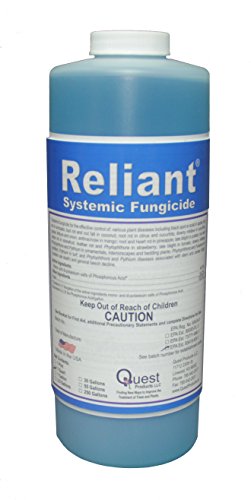
    Other pros of this product are: its adjustable nozzle that can be pointed in multiple directions; a locking trigger for if you have lots of spraying to get done; the useful pressure relief valve which doesn’t require you to fully unscrew the lid; and the effective anti-drip guard. On the negative side, the plastic material is not the sturdiest, so you do have to treat it with care to avoid creating cracks.
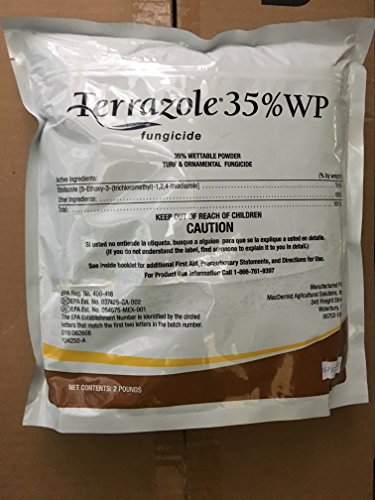
    #Hand_Sprayer #Fertilizers #Pesticides #Nutrients #Insecticides