Category: Insect Controls

  • The 20 Non-Organic Pest Control for Cannabis (Reviews in 2022)


    Top 20 Non-Organic Pest Control for Cannabis 2022

    #1 Best Cannabis Pest Control Spray: Bonide All Seasons Concentrate Pest Control Spray
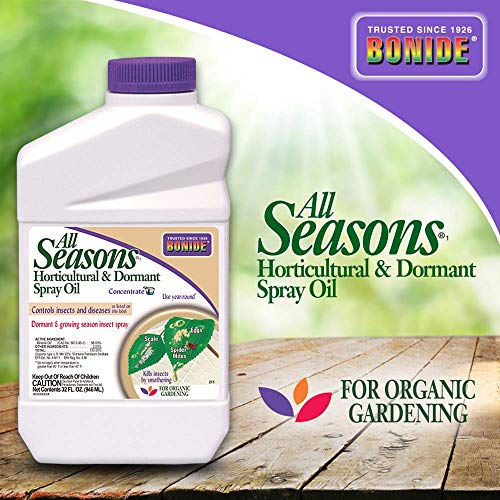
    For an all year round effective fertilizer then this product from Bonide is a popular choice among cannabis growers. Containing paraffinic oil, this pest control spray will get rid of common pests that like your cannabis plants such as aphids, whiteflies and mealy bugs, including russet mites.  As well as a pest killer it can also be used as a preventative spray to keep unwelcome guests away.
    This concentrate will go a long way as you just need 1 to 2 ounces of this stuff per gallon of water. Also, if you make up too much it will keep for a couple of months and still be as effective. This clever pest controller works by smothering the insects that it interacts with and can kill them at any stage of their life cycle. So for an all seasons and all harvest, fertilizer this spray is a great choice.
    #All_seasons #Aphids #Cannabis_Fertilizer #Mealy_Bugs #White Flies

    #2 Best Permethrin Spray: Control Solutions – 82004504 – Permethrin

    If natural and organic products are not cutting the mustard, then this powerful man-made insecticide derived from pyrethrum, but with added punch, will likely sort out any mite or bug infestation you have been unable to clear. With just a small application of this product, no bug stands a chance of survival and you will also repel their return and prevent any development.
    The main pros of this product are that: it goes a long long way, no bug stands a chance of surviving its application; it prevents bugs from developing, and; it puts bugs off returning. The major cons of this product are that you will no longer be able to call your sweet green organic, it can also lead to skin irritation and rashes developing. It is also lethal to bees so you should not be using this outdoors.
    #Gnats #Non_Organic #Permethrin #Spider Mites #White_Fly

    #3 Best Device to Capture Fungus Gnats: Biocare Gnat Stix S5333
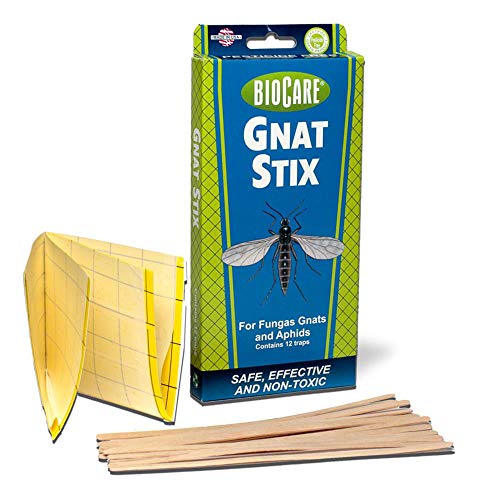
    With an infestation of fungus gnats on your hands, your cannabis plants are under a real threat. These nasty pests attack the roots of your plants which are the essential foundations of a healthy and prosperous marijuana crop. However, don’t worry – there is an easy way to catch these pests and that is through these excellent Gnat Stix from Biocare.
    These yellow sticky stix are perfect for catching fungus gnats as they are especially attracted to the color yellow – once landed they will be unable to get away. Just stick these stix near to your cannabis plants and they will capture the fungus gnats as they come out of the soil. One downside is that due to the prevalence of fungus gnats you might need a couple of packs of these stix as they fill up quick! The good news is they are cheap – a great value way of tackling one of the most common predators to cannabis plants.
    #Cannabis_Pest_Control #Fungus Gnats #Gnat_Stix #Non_Organic #Root_Rot

    #4 Best Non-Organic Fertilizer for Caterpillars: Bonide Chemical 802 Bacillus Thuricide Liquid
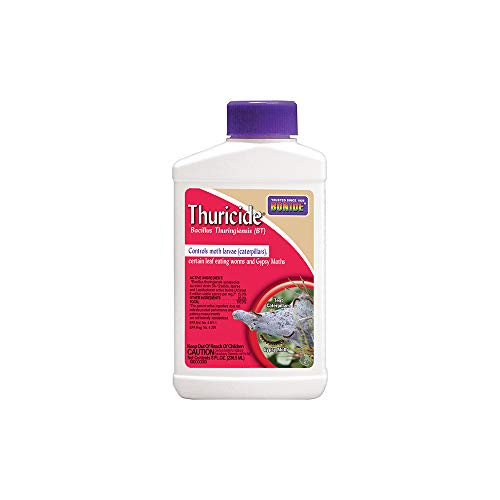
    This liquid bacteria from Bonide can be used on all kinds of common pests that love to target your beloved cannabis plants. From caterpillars and leaf rollers to cabbage loopers this product will get rid of all three – and on the plus side, it promises not to harm those insects that are good for your plants such as those all-important ladybugs and praying mantis.
    The one con of this product is that it has a strong smell, so not a great choice for those of you that favor the more natural gardening products. However, if you are looking for something really strong then this can get rid of those pesky caterpillars within a day – which your plants are sure to thank you for. Make sure you look out for those rain clouds, however, as this fertilizer will need to be reapplied after a downpour.
    #Cabbage_Loopers #Caterpillars #Leaf_Rollers #Liquid_Fertilizer #Non_Organic #Thuricide

    #5 Best Solution or Fire Blight: Fertilome Fire Blight Spray – 10363
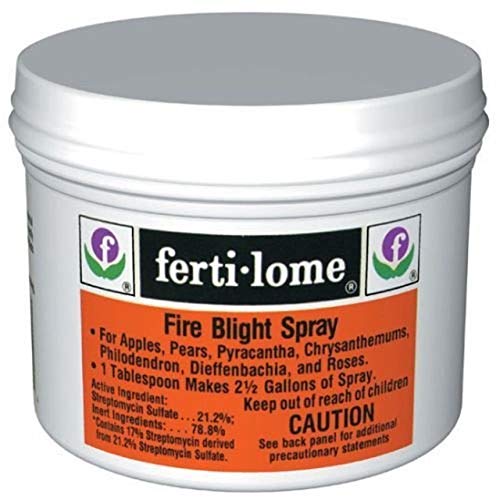
    A real difficulty that many cannabis growers face is the onset of fire blight in their plants. This is a really destructive disease that, if left untreated, can destroy your marijuana plants. You can spot fire blight (which is caused by bacteria) by checking out your leaves – if they have started to turn brown it is likely they are infected, and if your stems are looking a little limp this can be an indication also.
    Fortunately, this product from Fertilome can help to control fire blight on your cannabis plants. With just one tablespoon of this stuff you can make 2.5 gallons of spray and with regular spraying, you will soon notice that the fire blight is receding and that your plants are starting to recover. A great remedy for one of the marijuana plants worst enemies.
    #Blight #Fire_Blight #Fungus #Mold #Non_Organic

    #6 Best Fermented Insect Spray: Monterey LG6150 Garden Insect Spray
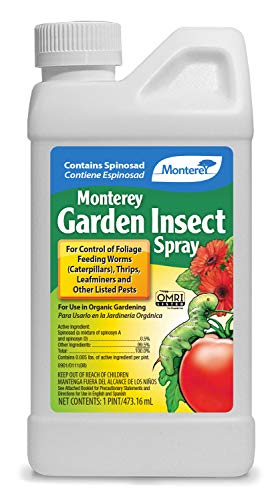
    You know your plants are in trouble when you spot a caterpillar on your cannabis plants – these little terrors love to eat up your precious buds and need to be dealt with immediately if you spot them on your plants. The same goes for leaf miners – these little guys nibble through the middle of your leaves which not only inhibits your plants growth, it also means they are open to infection.
    So, how do you go about getting rid of these damaging insects? Well, it is pretty easy if you invest in a good insect spray. This one from Monterey will do just the job, it consists of bacterial product which is produced by fermentation and is said to be one of the newest and most effective treatments on the market. As well as getting rid of caterpillars and leaf miners it will also target those pesky thrips. Unfortunately, it doesn’t get rid of aphids which is one con of this product.
    #Caterpillars #Insect_Spray #Leaf_Miners #Non_Organic #Thrips

    #7 Best Copper Fungicide for Cannabis Plants: Bonide 811 Copper 4E Fungicide 16oz
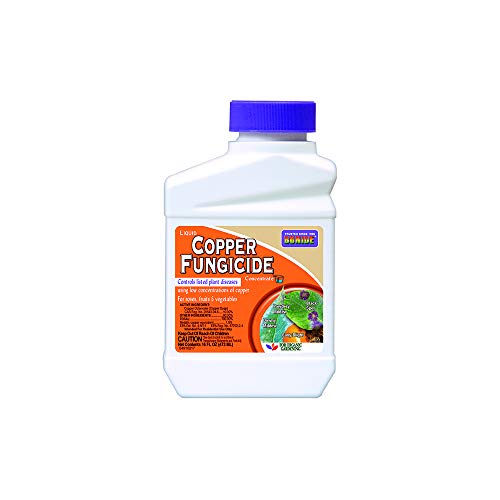
    Copper Fungicide has been used for years as a means of keeping cannabis plants healthy. Its main purpose is to combat any diseases that are caused by bacteria and fungi. Key signs that your cannabis plants are suffering from either powdery mildew or downy mildew are white fuzzy patches on the leaves, this mold can completely take over your plants and damage them beyond repair if it isn’t treated quick enough.
    This is where the Copper Fungicide comes in – thanks to this product from Bonide can help to treat this mold on outdoor marijuana plants. Simply dilute it down and then spray onto your plant before it gets to the flowering stage. Make sure you check the label directions carefully as with the wrong concentrate to water ratio it is possible to ‘burn’ your plants, especially if they are young. Also, what’s great about this product is that it won’t harm infects that benefit your plants such as ladybugs.
    #Copper_Fungicide #Downy_Mildew #Mold #Non_Organic #White_Powdery_Mildew

    #8 Best Caterpillar Killer: Monterey 704596 Caterpillar Killer Pesticide
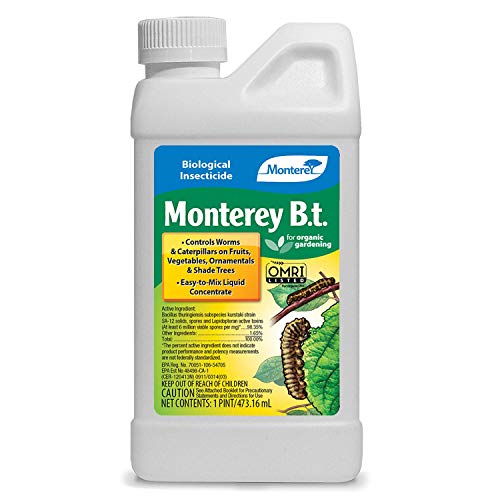
    As the name suggests this pesticide from Monterey will target your cannabis plants worst enemy, the caterpillar. These hungry insects eat up as much of your plant as they can and they especially love the buds which could be disastrous if they get to them. What’s more, this pesticide is specially designed for hydroponics so great for you indoor growers. It can also be used outdoors and is a great option if your soil is a little low in quality or quite rocky.
    Just follow the instructions and mix up this concentrate and get spraying your plants. With one nibble of the sprayed area, the caterpillar will cease to damage your plants – and this pesticide won’t hurt any precious ladybugs either. You can also use this pesticide up until you harvest your buds. For a fast working pesticide, you won’t be disappointed with this product.
    #Caterpillars #Indoor_Cannabis_Pesticide #Insect_Control #Non_Organic #Outdoor_Cannabis_Pesticide

    #9 Best White Powdery Mildew Remover: DOW Eagle 20EW Fungicide – 16 Ounce
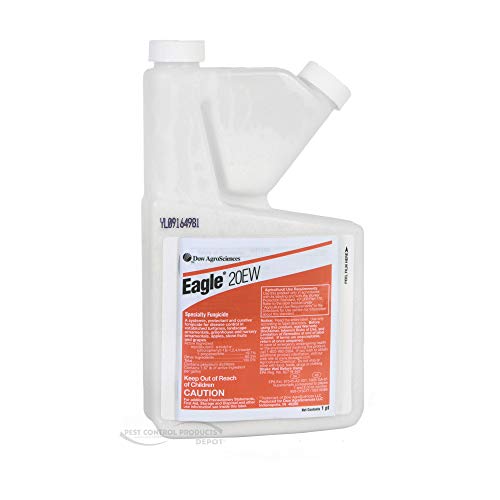
    If you have noticed the dreaded dusty round patches with a flour-like appearance popping up on your plants’ leaves there is a good chance your plant has developed white powdery mildew. This powerful product’s main ingredient is myclobutanil, a chemical fungicide that will wipe out White Powder Mildew and other fungi such as: Rust Scab; Blight Poinsettia; and Black Spot. If you see this white powder growing, you will need to stop it fast as it will render buds unusable.
    The pros of this product are that it rapidly deals with the growth of fungi on your plants, allowing them to fully recover, and is enough to treat 1,000 square feet a year. The cons are that it has been banned for use in Canada on medical marijuana, will cause lung damage if smoked and traces remain in the plant no matter when used so you should find a way of eating your buds if you do have to use this product.
    #Myclobutanil #Non_Organic #Rust_Scab #White_Powdery_Mildew #WPM

    #10 Best Pyrethrum Fogger: Pyrethrum Total Release Fogger, 2 Oz
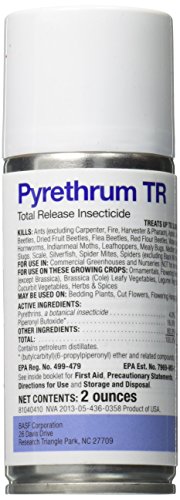
    If you have found your plants overrun with spider mites, thrips or aphids and you can’t stand the stink of neem oil, then a good alternative is pyrethrum, derived from the chrysanthemum family. This powerful fogger can be set to go off like a bomb or sprayed on target areas if preferred and unlike many pesticides is not very toxic to humans and breaks down quickly under the light. It has also been used as a pesticide in plants, in gardens, on livestock, and on stored foods for 100’s of years.
    The pros of this product are its rapid effect on killing unwanted bugs without harming good bugs, its impressive coverage (3,000 cubic feet), and an option for single or multiple use. However, cons are that it should not be used once flowering has begun and certainly not within 3 weeks of harvest and it can cause skin irritation and be more toxic when heated or smoked if traces remain on your buds.
    #Aphids #Fogger #Non_Organic #Spider Mites #Thrips

    #11 Best Non-Organic Spider Mite Killer: Avid 0.15EC- Spider Mite Control – 8 oz
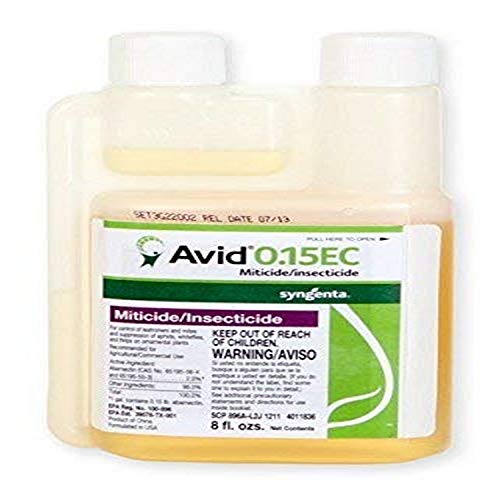
    When you’ve exhausted all the organic options trying to free your plants from a horrific spider mite infection to no effect, then you will not find any issues killing them off with this product. You will need to take good ventilation precautions with this product as it is highly toxic, but with just a spray or two you will be able to see your plant free from the evil effects of spider mites, russet mites, leafminers, aphids, thrips or whiteflies.
    The pros of this product are its high toxicity to insects that will kill them off in no time whilst leaving your plant perfectly healthy. On the other hand, its toxic nature means you need to take extra precautions when using it, especially if you are growing indoors, and it is not a cheap option. However, you won’t have any bug troubles after application of this product.
    #Aphids #Non_Organic #Russet_Mites #Spider Mites #Thrips

    #12 Best Non-Toxic Fungus and Mite Killer: Mite Massacre 8 oz
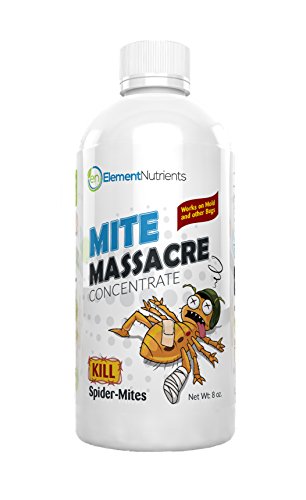
    If your after a product that is versatile enough to deal with bug problems, powdery mildew, mold, and fungus, then this highly effective spray is worth a look. Despite its versatility and not being organic it totally suitable for use on consumables and no matter how many times you use it bugs will not be able to adapt immunity to it. If spider mites, gnats, Aphids, powdery mildew, rust or more are an issue for your plants, this impressive product will have them cleaned up in no time.
    The obvious pros of this product are that: it is extremely versatile (it can see off bugs, eggs, fungi, and molds), it comes with a money back guarantee, and it is highly effective. Cons are that it is not fully organic, although this is likely due to the high soybean content which may not be certified organic so it is not like spraying highly toxic pesticides on your plants as the contents themselves are natural and safe for use on all food and consumables.
    #Gnats #Non_Organic #Rust #White_Powdery_Mildew #WPM

    #13 Best Combined Insecticide and Fungicide: Flying Skull Nuke Em Pest Control, 1-Quart
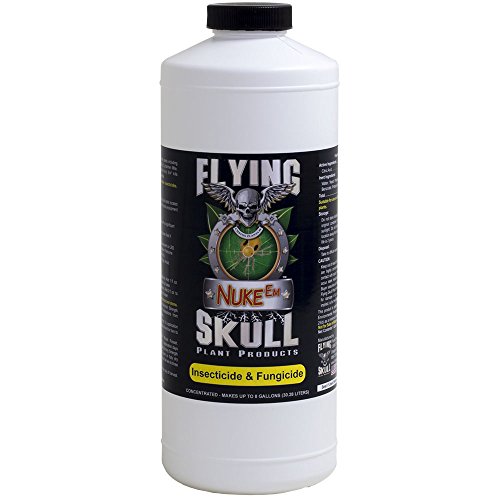
    For an amazing product which is guaranteed to tackle some of the most common parasites to attach cannabis plants look no further than this Nuke Em Pest Control from Flying Skull. Whether your plant is being eaten away at by mealy bugs, whiteflies, spider mites or thrips this pesticide will kill them all – as well as any eggs or larvae which have been deposited on your plants.
    This product is also great at targeting powdery mildew, the white fluffy substance that can spread over the leaves of your plant and take over. The only real downside of this product is the price, it is a little expensive but as it has been designed with cannabis growing in mind it is a good choice for growers. For a great all round insecticide and fungicide you can’t get much better than this product from Flying Skull.
    #Mealy_Bugs #Mold #Powdery_Mildew #Spider Mites #Thrips #White Flies

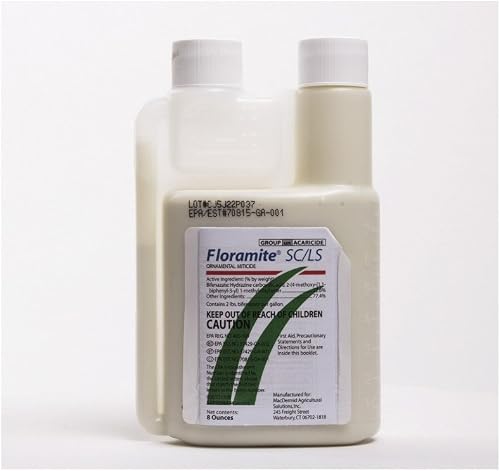
    #14 Best Spidercide for Cannabis Plants: Floramite 8oz
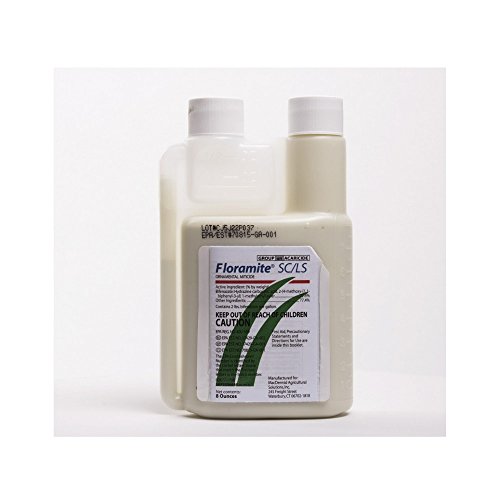
    Have you spotted tiny bite marks on the leaves of your cannabis plants? Are there yellow, white or orange marks on your leaves? If the answer to these questions is yes then there is a good chance that your plants have a spider mite infestation. Spider mites are very damaging to marijuana plants as they suck out the nutrients of plant and can cause them to perish altogether.
    Floramite is a great way to get rid of spider mites at all stages of their development. Some users have found that all of their spider mites were gone within one application – so great for fast action. This pesticide should not be used during the flowering stage of the growth cycle, however, as it may affect the taste of your product.
    #Floramite #Miticide #Non_Organic #Spider Mites #Spidercide

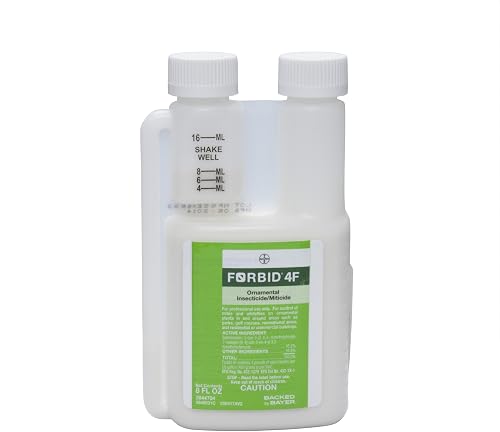
    #15 Best Miticide for Cannabis Plants: Forbid™ 4F Miticide 8 oz
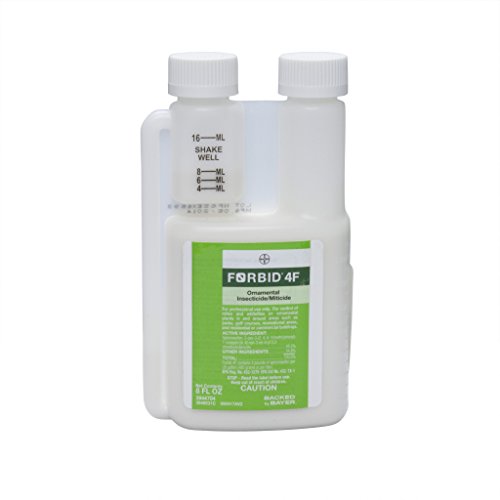
    If you want the guaranteed destruction of a variety of mites that might be attacking your cannabis plants and are happy to splash the cash then this miticide from Forbid is the product for you. At the high end of the market, this miticide is able to tackle russet mites, spider mites, and broad mites, often with just one application.
    Simply spray this onto the top side of your leaves and it will control the mites even if they are on the underside. It will also work to help prevent the mites returning, and they won’t become resistant to the stuff if you need to use it again in the future. Some users have complained about the short shelf-life of the product (1.5 years), so this is one con of this product from Forbid.
    #Broad_Mites #Miticide #Non_Organic #Russet_Mites #Spider Mites

    #16 Best Root Cleaner for Cannabis Plants: Root Cleaner – Soil Gnat, Fungus and Pathogen Killer (8 Ounce)
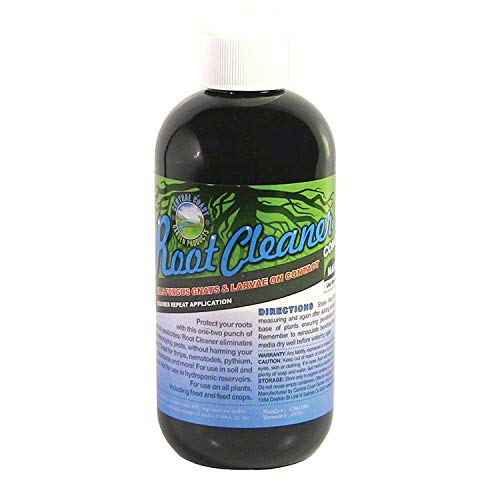
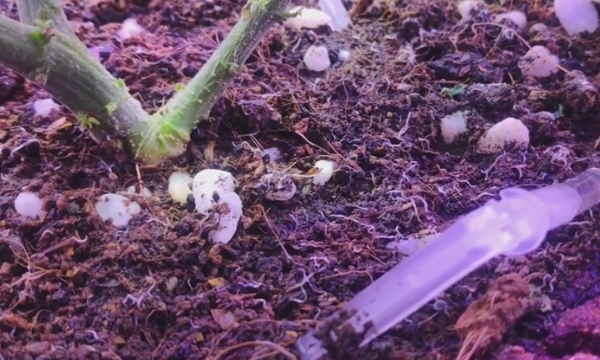
    When growing cannabis plants in soil it is really important to keep your soil healthy as this has a massive effect on the yield of your plants. With that in mind, it is important to keep an eye on what is happening in your soil – you will know if you have soil gnats or fungus gnats if you see very small white spots wriggling on the topsoil.
    Fortunately, with this product from Green Cleaner, you can easily get rid of these gnats and also get rid of any fungi that can cause root rot. You can use this product from planting to harvesting and another bonus is that the pests won’t become immune to it. This root cleaner can also be used if you are growing cannabis hydroponically. A great all round product to invest in for any cannabis grower.
    #Fungus Gnats #Non_Organic #Root_Cleaner #Root_Rot #Soil_Gnats

    #17 Best Non-Organic Pesticide Spray: Bonide Products 202 Fruit Tree Spray, 16-Ounce
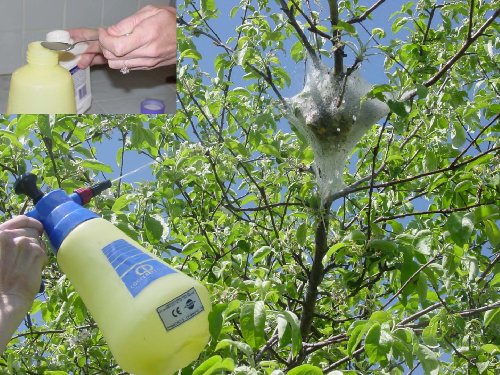
    This fruit tree spray from Bonide is a great all-rounder if you are looking for something which will both get rid of unwanted insects and protect your cannabis plants from disease. And, with this product, a little goes a long way as you only need 1-2 tablespoons each time you apply it.
    You can use this product if you are having issues with spider mites, caterpillars and whiteflies – they should be gone within one application. Make sure you are careful with this stuff as it is super strong – reviewers have commented on potential ‘leaf burn’ if you get the water to concentrate ratio wrong. Once you have sprayed your plants with this fruit tree spray it should continue to kill any bugs for up to a week. It can also help to protect your plant from botrytis – a fungal infection common in cannabis plants.
    #Botrytis #Caterpillars #Fungus #Mold #Non_Organic #Spider Mites #White Flies

    #18 Best Large Hand Sprayer: Chapin 20002 2-Gallon Poly Lawn
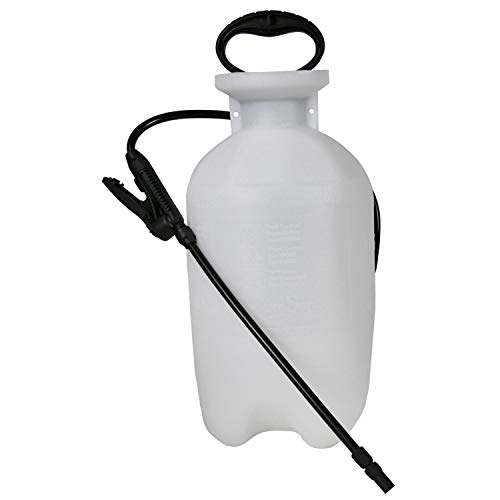
    If your growing setup is much larger then the medium and small sprayers on this list are likely not going to cut the mustard in terms of providing you the necessary power and storage to get around your crops without constantly having to re-concoct your spray. However, this 2-gallon funnel-top will do just that. Suitable for use with common fertilizers and pesticides and well designed for easy carrying and pumping, you’ll have your plants treated I no time with this beast.
    The major pros of this unit are that: it is actually very cheap; it has an excellent anti-clogging filter; it is easy to clean, and; it is built to last. It also has an adjustable nozzle for different spray needs and either a 12 or 28-inch spraying hose. The cons of this product are that because it is larger it will weigh more to lug around and the locking mechanism which keeps the sprayer going can be a bit temperamental.
    #Fertilizers #Hand_Sprayer #Insecticides #Nutrients #Pesticides

    Related to Insect Growth Regulator

    Top Sales Product Link Related to Article Price
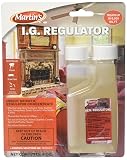
    Control Solutions Inc – 82005202 – Martin’s I. G. Regulator – Insect Growth Regulator Concentrate – 4oz from $20.93
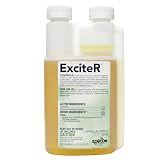
    ExciteR Contact Pyrethrin with Flushing action from $54.85
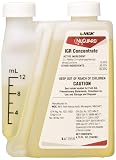
    MGK 802958 NyGuard IGR Concentrate Insecticide, 4.73oz, Clear from $49.22
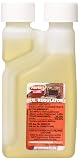
    MARTIN’S I.G. Regulator, 4 oz from $21.10
    Altosid Pro-G Mosquito Larvicide Zoecon Mosquitoes by zoecon from $42.97
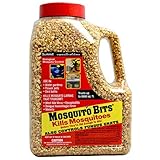
    Summit Responsible Solutions Mosquito Bits – Quick Kill, 30 Ounce from $14.99
  • How to get rid of Mealybugs: 11 way to kill Mealybugs on garden (Updated for 2022)
    You have started noticing white mould-like substance on your weed leaves, and you are wondering what they are. Well, you most likely may have mealybugs on your garden.
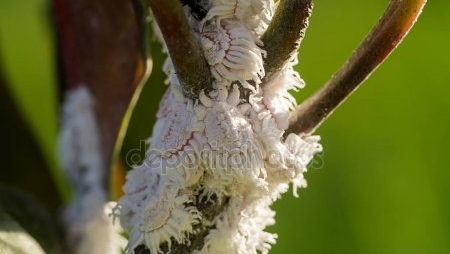
    Mealybugs are hairy bugs found predominantly in a warm climate. These pests can be found virtually anywhere, in greenhouses, outdoor garden, or indoor garden, they suck plant and leave whitish sweet patches called honeydew which tend to draw other harmful insects and pest to your garden, causing even more damage to your garden. They use a part in their mouth known as the stylet to drive holes in the stem of the plant and suck substances known as sap.

    In tiny numbers, these pests can be insignificant but left unchecked can cause substantial harm to your plant or garden.

    How Do You Get Rid of Mealybugs?

    If you predict you have mealybugs infestation on your garden, there are a couple of options available to you to properly eradicate them.
    The severity of infestation will determine the mode of treatment; an extreme case scenario will require you to destroy the infected plant to avoid the spread of the outbreak.
    Here are some other options to consider to help you get rid of them.

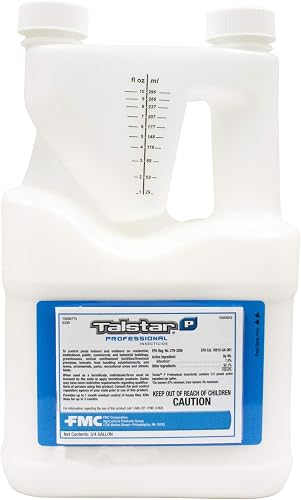
    #1 Talstar One Termiticide Insecticide (Chemical – Editors’ Choice)

    It contains bifenthrin 7.9% as its active ingredient and works well against Mealybugs on your outdoor gardening plants and microgreens in all conditions. Be sure to apply it consistently after 6-7 days interval by adding 2 ounces of Talstar One to 1 gallon of water and spraying on tender shoots and stem of the plants where Mealybugs are sticking with.

    #2 Use Neem Oil (Natural – Editors’ Choice)

    Neem oil is another substance repulsed by bugs. Also, Neem oil is known to cause a foul taste or smell if it is directly applied to your buds, so again, prevent it from having direct contact with your buds.
    Similarly, there has been some research on the internet, which says Neem is harmful to human, apply with moderation. That out of the way, Neem is a natural fix that is effectively used to combat lots of bugs, mealybugs inclusive, you will need a pressure spray for you to apply the oil evenly on your plant.

    #3 Reduce the number of bugs considerably with water spray

    To start with, you can reduce the number of bugs from your plants by flushing the plants with a rush of water, or manually removing them. Flushing can be a way of reducing their number before you consider other treatment options to eliminate them.

    #4 Insecticide Soap

    When using soaps, it is essential to cover a large surface area of your garden because insecticidal soap doesn’t stay on your strains for long; so, it is vital to follow-up at close interval application to complete effectiveness. Soaps are safe to a large extent but avoid direct contact with your buds.

    #5 Alcohol

    Alcohol is another chemical known to dry the outer shell of bugs. Therefore, it can also be used to kill mealybugs. There’re a couple of options to use alcohol to kill mealybugs.
    Option 1; In the case of small infestation. If the outbreak on your garden is starting or you have very few bugs on your garden, you can soak a piece of cotton in alcohol and use the cotton to touch the bugs one at a time.
    Option 2; In the case of a severe infestation. If the infestation is severe you can create an alcohol-water spray and apply on your plants with a one-hand pressure sprayer, spray the bugs on the plant.
    How to mix the Alcohol: Create an 8-part equal measurement of water and 2-part measurement of alcohol, meaning the ratio of water to alcohol should be 8:2. Create the mixture and use it to spray your plat, spray until there are no traces of the mealybugs. The alcohol spray aims to spray directly on the mealybugs to eradicate them. Alcohol is evanescence, meaning it evaporates when exposed to the atmosphere, you don’t have to worry about it leaving oil residue like substances Neem oil.

    #6 Use of Predator Insects

    Nature has created an interconnected dependence of species, and this can be used to our advantage. Some insects feed on mealybugs and harmless to our gardens. Insects like Lady Bugs, Lady Beetle, lacewings, all feed on mealybugs and cause no harm to our strains. With selective breeding, these bugs can be ordered to garden, and in no time, they start to attack the population of the mealybugs. The downside to ladybugs is they can’t be tamed, and they fly off in one or two days. Leaving the mealybugs to repopulate your garden again, cause of their rapid reproductive rate. However, they are a healthy option if you have very few occurrences, you should consider them as well.

    #7 Use Diatomaceous Earth

    Also referred to as DE, Diatomaceous earth is a naturally occurring substance made from sedimentary rock and is easily crushable. Diatomaceous earth is known to eradicate mealybugs or prevent future infestation. Naturally occurring, DE is a safe way to get rid of mealybugs. It acts by puncturing the exoskeleton of the bugs and absorbing the fluid in the body through osmotic movement; this is a safe way to also prevent against mealybugs because it poses no harm to you or your strain.

    How to Prevent Mealybugs from infesting your garden

    As the famous saying goes “prevention is better than cure,” this is also true for mealybugs, it is economical and less time consuming if you prevent the likelihood of mealybugs infesting your garden, rather than waiting for them to attack and then start to look for a way to get rid of them. Below are some preventive measures that make sure that you never host unwanted visits from these bad bugs again.

    #8 Wash all Plant materials and garden tools after infestation

    Mealybugs are small creatures and can stay inert in holes or crevices of plant pots, soil, and garden tools for as long as you let them, and reoccur when you replant your strain. So, after an infestation, replace all plant soil with fresh soil. Wash all plant pots and dip them in alcohol and garden tools

    #9 Move plant pots to a new location

    As soon as you want to start planting again, don’t plant in the spot as the former infestation. Take your pot to a new ground to prevent reoccurrence.

    #10 Make sure ants are kept in check

    Just as mentioned earlier ants and mealybugs have a symbiotic relationship. The more you expose your garden to ants, the more you predispose your garden to mealybug infestation.

    #11 Don’t worry if you see some Mealybugs around

    You can’t completely wipe off mealybugs from for garden in a couple of tries, so don’t worry when you see some around. The most important thing is that their population is being kept in check. If you kill all the adult mealybugs, the nymphs and eggs can be overlooked.

    What do they look like

    Mealybugs are fascinating creatures, given that their females and males have very different body parts and functions. To start with, both male and females look very different; the males possess wings which they use solely to find females to mate while the females don’t have wings, but have legs.

    Mealybug Lifecycle

    While the females live a total life span of approximately 28 to 30 days and get to 3mm in length; the male adult only lives for 3 to 6 days. Females can lay between 250 to 600 eggs within a cyst cotton-like, waxy substance which it attaches under leaves to protect them from predators. When egg-laying starts, it continues for two weeks; at the end of the egg-laying process, the female mealybug dies. Shortly after laying, hatching kicks in and can take up to 1 to 3 weeks, young nymphs are produced from the hatching process which migrates towards the marijuana plant to feed and cause further damage. In a year, mealybugs can have 13 to 16 generations depending on the species and weather conditions.
    Female mealybugs feed by finding splits in your marijuana plant and stick themselves to that spot. Once rooted in the crevices, they create waxy-like substances to protect themselves while they feed on the plant’s saps. Female mealybugs share a symbiotic relationship with other insects, meaning they only move to gardens already infected by other insects, mostly ants, who act as soldiers, protecting the bugs against any external pest or predators while they feed continuously. In general, if there are no plants on your garden mealybugs won’t infest.

    What attracts mealybugs?

    You are wondering what draws them to gardens/farms? Mealybugs are attracted to soils and plants with high levels of nitrogen, in other words, the higher the nitrogen you introduce to your strain in the form of inorganic fertilizer the higher the possibility to get infected by mealybugs. So, moderately apply inorganic fertilizer to your strain to reduce the risk of infestation.

    Are Mealybugs harmful to humans?

    Mealybugs, just like other creatures, have different species. Most species of mealybugs have the potential of spreading a virus, but this doesn’t happen very often. Mealybugs don’t have teeth and therefore do not bite humans, but physical contact with some species can cause skin irritation. When you want to touch a mealybug, it is advisable to use protective gloves; they secrete some residue which is sticky and can be tricky to remove from clothing, to this end, is it suggested that all hands and clothing be washed immediately after contact to prevent possible damage.
    Possible damage mealybugs can cause to humans is economic damage, destroying your produce and causing low yield. Infested strains can be quarantined to limit spread which adversely reduces overall yield and profit.

    What Causes Mealybugs

    Environmental factors: Just as I said earlier, you are most likely to attract mealybugs to your indoor or outdoor garden if you live in a tropical region, places which are warm at most times, this will mean in spring and summer seasons, this period predisposes you to a mealybug attack.

    Mealybugs on your plants

    Mealybugs are known to hide under your marijuana leaves, flower petals, and behind stems/bark, so it can be a bit hard to spot them in their early stages

    Are Mealybugs that serious?

    Mealybugs are as severe as a heart attack (metaphorically speaking). These bugs destroy strains by piercing the leaves, stems and sucking all the sap, causing your plant to wilt, leaves turn yellow and eventually die. Since saps usually contain lots of sugar and carbohydrates, mealybugs excrete what is called honeydew; this sticky waste can also cause further damage to your plants, causing mould growth on your leaves and attract other dangerous insect pests to your garden. But mealybugs don’t bite or spread any contagious diseases.

    Symptoms of Mealybugs on my plant

    Knowing if a mealybug attack has infected your plants, or they are in your garden?
    Here are some signs on your marijuana plant to look out for:
    – Presence of Ants
    – Yellowing of Marijuana Leaves
    – Whitish, Cotton-like substances on opening in you plant
    – Whitish, Cotton-like substances on stem
    – Dropping marijuana leaves
    – Sudden Death of Plant
    If left unchecked, mealybugs draw other predator insects to your garden, creating further problems. Ladybugs are predators of mealybugs; they infest a habitat already filled with mealybugs to feed on them, therefore solving the problem is very vital. You might think mother nature will come to rescue you with her army ladybugs, well, not after the mealybugs must have destroyed your garden.

    Ants and Mealybugs

    Ants and mealybugs coexist in a symbiotic relationship. A symbiotic relationship is a relationship where one species existence in the ecosystem is beneficial to the other species and vice versa. In the case of mealybugs, they excrete honeydew, a sweet, white, sticky, substance which the plants feed on, in return, the ants protect the mealybugs from external attacks or predators. Overtime time, the plant infested with mealybugs and ants with turn yellow, wilt and if left unchecked, may eventually die.

    What do they eat?

    Mealybugs feed by sticking themselves to any crevice on your marijuana plant, where it sucks the sap, the sap is liquid substances which transport essential nutrients and water to the leaves, flowers, fruits, and stem, ensuring the survival of the plant. Mealybugs intercept this sap which prevents the plant from gaining access to essential nutrient and water it requires for survival, when this happens it leads to yellowing of the leaves, wilting and eventual death.

    To summarize

    Mealybugs are minute, white-coated insects with soft bodies. They replicate very fast and cause real damage to your strains if not adequately controlled. Female mealybugs do most of the work while the males fly around looking for mates. It is possible to kill mealybugs, but most importantly, prevention is the best measure to combat these ravaging bugs.

  • How to get rid of fungus gnats: 12 way to kill fungus gnat for indoor plants (Updated for 2022)
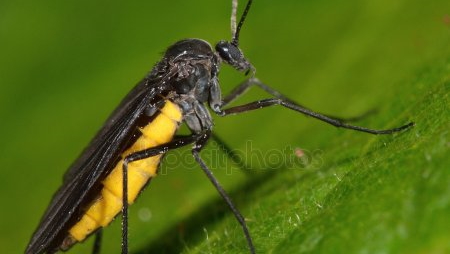
    Fungus gnats are small dark-winged flies similar to fruit flies that may cause a major threat to the developing seedlings, indoor plants, potted and environmental plants for the reason that they feed on the fungi living in the potting soil and on the organic matter where they lay down their eggs that hatch into larva which does the actual damage. Larval feeding’s behaviors create a big nuisance for the gardeners during the active growing season if not properly handled in the early spring. Are you fed up of their presence on your indoor plants and growing seedlings?

    Are you interested to know how to get rid of fungus gnats on your garden plants?

    Here are the ways you can actively handle and kill these tiny troublers forever.

    Best way to kill fungus gnat larvae

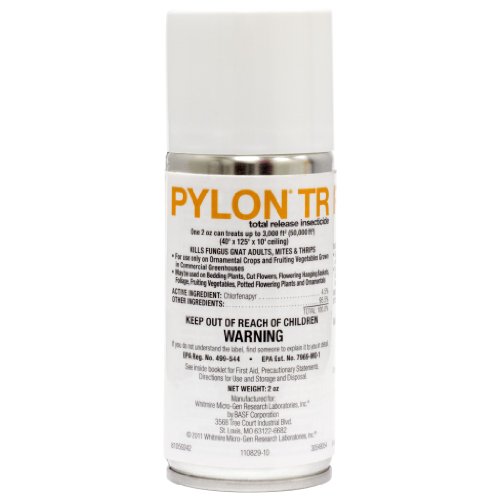
    #1 Pylon TR (Chemical – Editors’ Choice)

    It’s the first product in the Total Release Insecticides category to contain Chlorfenapyr(21.4%) active ingredient. It provides effective control of Gnats larva on seedlings, indoor, potted and ornamental plants in the greenhouses or other indoor arrangements. It’s also very easy to use as the release button is pressed keeping all the doors and ventilation shut for a specific time. No need to make mixtures or arranging sprayers to use this product as it comes installed with these options.

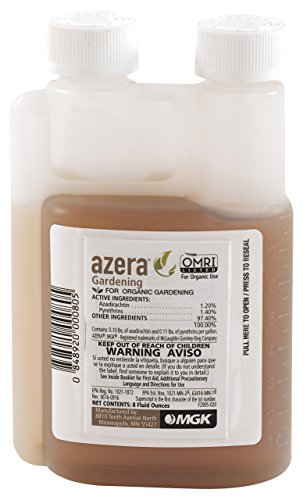
    #2 Azera Gardening (Natural – Editors’ Choice)

    It contains both Azadirachtin obtained from Neem and Pyrethrin from Chrysanthemums i.e. 1.4% and 1.6% respectively, dual-action and fast-acting insecticidal concentrate for organic lovers against soft and hard-bodied pests. It stops molting and induces indigestion in the pests sprayed against.
    Add 2 ounces of concentrate in 1 gallon of water in a hand-held sprayer and thoroughly spray your plants including undersides of the leaves and near stem.

    #3 Growstone Gnat Nix (Non-toxic Fungus Gnat Control)

    It’s a top dressing media that sucks excessive moisture from your potting soil and growing Media for the reason to possess tiny pores in its rock-like structure. It leaves no side effects on the plants growing inside a home because they are derived from recycling of glass. Adults are unable to lay down eggs or if they do so, hatching is not possible inside media that disrupts the life cycle of gnats and its populations are reduced quickly and finally no larva, eggs or adults on your seedlings and potted pots.
    Again its application is so simple, apply a thin layer about ½ inches in the growing media or topsoil to cover the surface fully and apply water gently. Water will be absorbed immediately while adults and larva will fell prey to this heavily absorbed moisture.

    #4 Bragg Live Food Organic Apple Cider Vinegar (Organic Fungus Gnat Control)

    Apple cider vinegar has effective killing properties for all flying insects. Just place a small Petri dish near seedlings and fill it half with pure vinegar. Gnats will be attracted to this solution and keep dying on touching the surface of the vinegar. If vinegar level drops due to evaporation, keep on adding little bit water into the vinegar. This will help you keep the gnats population in good control.

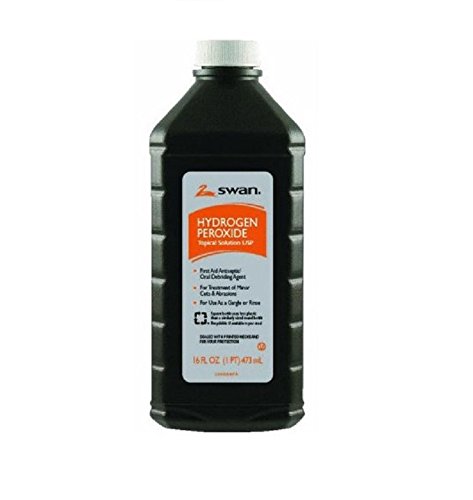
    #5 Solimo Hydrogen Peroxide Topical Solution (Hydrogen Peroxide Fungus Gnat Control)

    Hydrogen Peroxide (3%) is widely used disinfectant that effectively kills larva and adults of fungus gnats on contact. It is a nontoxic solution while peroxide breaks up upon applying water after drying the surface of the soil.
    Prepare a mixture by adding 1 part of Hydrogen Peroxide into 3 parts of water to apply on the surface soil or potting mixtures. Apply additional water after it has finished bubbles arising due to Hydrogen Peroxide reaction with the topsoil. It can be repeated after 7 days till you get a complete hold of the situation.

    #6 Summit Mosquito and Gnat Barrier (Pesticides Fungus Gnat Control)

    This is the best product to kill fungus gnats and to establish barriers to repel their attacks on a garden landscape. It contains Permethrin which is a residual pesticide that gives the best control up to four weeks. This product can be sprayed on fences, corridors, patios, and decking for better gnats control.
    Add 1.3 ounce in 1 gallon of water using a fogger or pressure spray to cover all outdoor target locations.

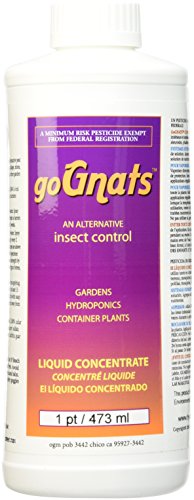
    #7 Gognats liquid-poison free pest control (Poison-free Fungus Gnat Control)

    This liquid is a poison-free substitute for the control of soil-borne fungus gnats and several other flying indoor and outdoor garden pests that can be used in the multiple fashions depending on the need of the gardeners such as Plant spray, soil drench and creating barriers to stop gnats infestation, etc. Its doses also vary depending on the type of application needed for your garden.
    For soil Drench, add 2 ounces in 1 gallon of water to apply heavily till the solution start pouring out of the potting soil or mixtures.
    For Plant Spray, add 1.7 ounces in 1 gallon of water using a mist sprayer. Apply twice in the first week while repetition is recommended after every 2 weeks.
    For Barriers, add 2.6 ounces in 1 gallon of water to spray on the open area to create a barrier to stop infestations.

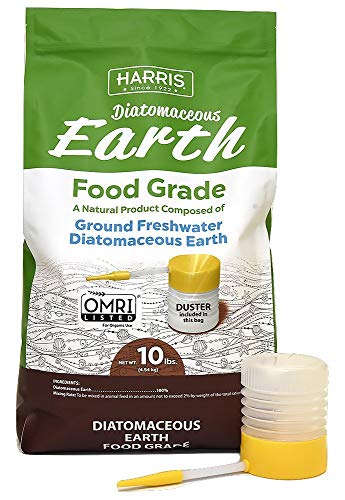
    #8 Harris Diatomaceous Earth Food Grade (Natural Fungus Gnat Control)

    DE is a natural product that is derived from the fossilized rocks and contains several tiny pores that don’t let larva come out once they are inside. This process stops molting in larva in the way that they can’t shed their skeleton to move into the next stage and die of starvation. It’s very easy to apply, just spread a thin layer on the topsoil with the help of duster to restrict the movement of all stages of fungus gnats.

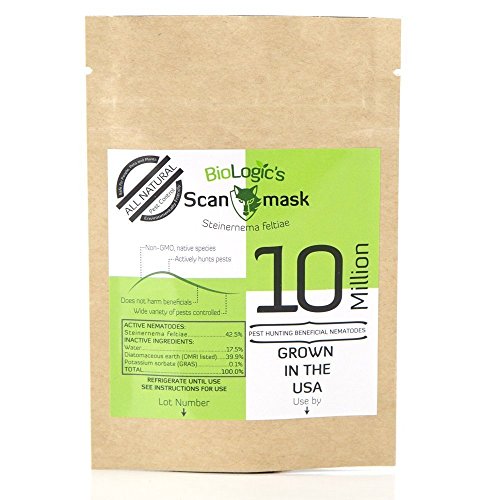
    #9 BioLogic Scanmask Steinernema Feltiae (Sf) Beneficial Nematodes (Best biological Fungus Gnat Control)

    This pack contains beneficial nematodes (Steinernema feltiae)that are naturally occurring insect parasites. It searches pest around and enters into its body to release symbiotic bacteria that kill insect pests. Nematodes are mixed with water to spray with the provided BioLogic’s Nema-jet sprayer to kill a variety of pests in the garden. Product is safe and shipped with special care in an icebox to retain its vitality.

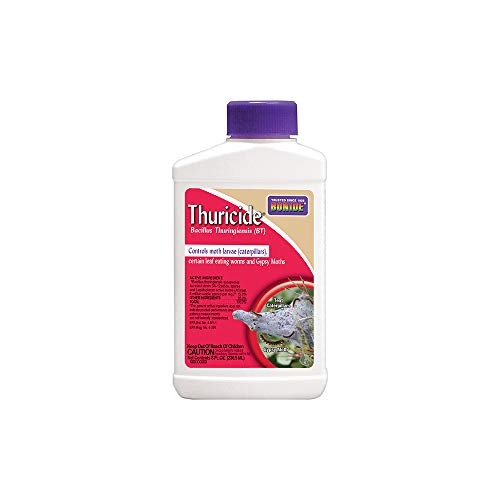
    #10 Bonide-Thuricide Bacillus Thuringiensis (BT) (Best biological Fungus Gnat Control)

    This pest control is great for use on the larva of the variety of caterpillars, loppers, moths and all other damaging pests in your garden on the entire range of edibles. It contains naturally occurring soil bacteria Bacillus thuringiensis abbreviated BT as well. Its population is estimated at around 6 million viable spores in 1 mg of product and acts on selective pests. Insects and larva stop feeding and die in 2-3 days of application.
    This product can be mixed with water and sprayed on the first sighting of adult gnats using a mist sprayer or pressurized hand sprayer. Recommended dosages vary from 2-4 ounces in a gallon of water.

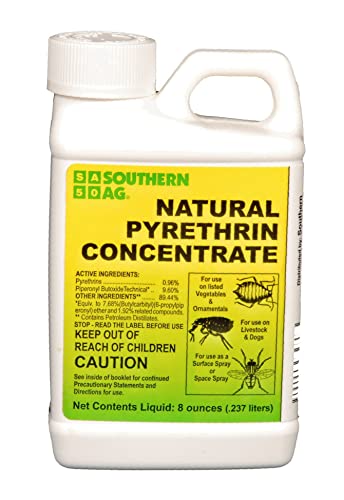
    #11 Southern Ag-Natural Pyrethrin Concentrate (Organic Fungus Gnat Control)

    Is an organic insecticide that is derived from the chrysanthemums family and is widely used to control gnats, flies, and mites on vegetables and ornamental plants. It contains .096% pyrethrins and 9.6% piperonyl butoxide. Spray your plants using a mist sprayer by adding 2 teaspoons per gallon of water. Best time to spray is evening followed by light watering for your garden plants.

    #12 Tempo Ultra SC (Best Pesticides Fungus Gnat Control)

    This product is fully tested to use against the variety of the pest in a garden escape. It contains Beta Cyfluthrin (11.80%), without any odor having broad-spectrum control over fungus gnats. It’s also easy to mix and use while disperses well after its application. It provides quick know down effect on the targeted pests and has long residual effects after use.
    Add 9-10 ml in 1 gallon of water in a power sprayer. Mix it well and spray on the entire plants covering complete foliage.

    Related to Insect Killer, Treatment, and Repellent

    Top Sales Product Link Related to Article Price
    Adams Plus Yard Spray, 32 Oz from $14.49
    Wondercide Natural Ready to Use Yard Flea, Tick and Mosquito Spray – Mosquito and Insect Killer, Treatment, and… from $34.99
    Advantage Flea and Tick Yard and Premise Spray, 32 oz from $19.98
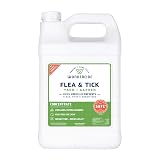
    Wondercide Natural Products – Yard Flea, Tick and Mosquito Spray – Mosquito and Insect Killer, Treatment, and Repellent… from $39.99
    Natural Chemistry Yard & Kennel Spray from $18.72
    Black Flag Flea & Tick Killer Yard Treatment Concentrate Spray, 32-Ounce from $34.34
    Ortho Bug B Gon Max Insect Killer for Lawns (Kills 100+ Insects for 3 Months Including Ants, Chinch Bugs, Fleas, and… from $9.41
    Black Flag Flea & Tick Killer Home Treatment with Growth Regulator Spray, 1-Gallon from $14.99
    Vet Kem Siphotrol Yard Pest Control Spray, 32-Ounce from $35.62
    SPECTRUM BRANDS 61067 HG-61067 32Oz Rts Bug Free Spray, Pack of 1, Silver Bottle from $8.99
    Zodiac Flea and Tick Yard & Garden Spray from $18.99
    Wondercide Natural Products – Yard Flea, Tick and Mosquito Spray – Mosquito and Insect Killer, Treatment, and Repellent… from $75.00
    BioAdvanced 700280B Complete Insect Killer for Soil & Turf Flea and Tick Yard Protection, 32 oz, Ready-to-Spray from $12.97
    EcoSMART ECSM-33805-06 Flea & Tick, 32 oz. Hose End Sprayer Bottle Flea and Tick Control for Yard and Kennel from $28.49
    Dr. GreenPet All Natural Flea and Tick Prevention and Control Spray for Dogs and Cats – 1 Gallon – Smells Great! from $34.99
    Enforcer Parent from $26.97
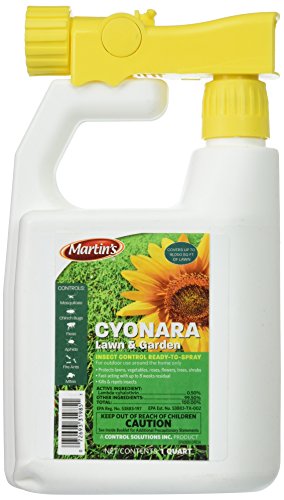
    Control Solutions Cyonara Lawn & Garden RTS Ready-to-Spray Mosquito and Insect Control, 32_Ounce, 32oz from $25.94
    Ortho Bug B Gon Insect Killer for Lawns and Gardens Hose-End Sprayer 32 Fl. Oz.(Kills 230+ Insects Including Mosquitoes… from $10.99
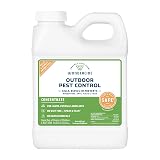
    Wondercide Natural Products – EcoTreat Outdoor Pest Control Spray Concentrate – Mosquito, Ant, Roach and Insect Killer… from $39.99
    Spectracide Triazicide Insect Killer For Lawns & Landscapes Concentrate, Ready-to-Spray, 32-Ounce from $11.53
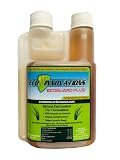
    EcoGuard Plus, 8 oz, All Natural Tick and Mosquito Control, Kid Safe, Pet Safe, Non-Staining Lawn Spray Concentrate from $29.99
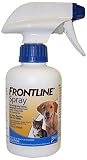
    Frontline Flea and Tick Treatment Dog/Cat Spray, 8-1/2-Ounce from $38.88
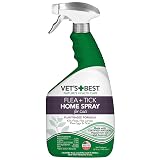
    Vet’s Best Flea and Tick Home Spray for Cats | Flea Treatment for Cats and Home | Flea Killer with Certified Natural… from $10.49
    Vet’s Best Flea and Tick Wipes for Dogs and Cats | Targeted Flea & Tick Application | Multi-Purpose Flea Treatment for… from $8.99
    EcoSMART Mosquito and Tick Control, 32 oz. Hose End Sprayer Bottle from $18.15
    Virbac Knockout E.S. Area Treatment Carpet Spray, 16-Ounce from $28.08
    Wondercide Natural Products – Flea, Tick and Mosquito Control Spray for Dogs, Cats, and Home – Flea and Tick Killer… from $99.99
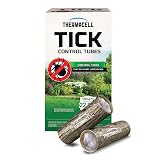
    Thermacell Tick Control Tubes 24 Pack; No Spray, No Mess from $73.61
    Wondercide Natural Products – Yard Flea, Tick and Mosquito Spray – Mosquito and Insect Killer, Treatment, and Repellent… from $199.00
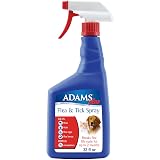
    Adams Plus Flea and Tick Spray for Cats and Dogs from $15.33
    BASF 671858 PT Ultracide Pressurized Flea Insecticide, 20oz from $31.26
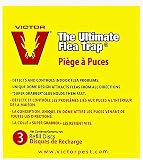
    Victor M231 Ultimate Flea Trap Refills, 3 Per Pack from $4.98
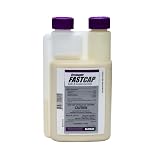
    Onslaught FastCap Spider and Scorpion Insecticide Pint Unknown (1) from $68.47
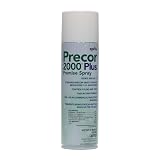
    Zoecon Precor 2000 Plus Premise Spray, 16 oz. from $27.19
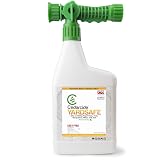
    Cedarcide Yardsafe (Quart) Cedar Oil Mosquito Yard Spray | Pet Safe Natural Pest Control Lawn Spray Kills + Repels Fleas… from $29.95
    Ortho Bug B Gon Insect Killer for Lawns and Gardens Concentrate (Kills 230+ Insects Including Mosquitoes, Fleas, Ticks… from $15.70
    Summit Responsible Solutions Mosquito Bits – Quick Kill, 30 Ounce from $14.97
    Adams Flea and Tick Home Spray, 24 Ounce from $12.47

    What are Fungus Gnats & Where do they come from?

    Fungus gnats from the family Sciaridae are tiny; dark-winged flies that infest growing media in containers, pots and even in outdoor growing conditions where organic matter is abundant having high relative humidity in these growing media or mixtures. Its larval stages are considered to feed on some fungi and organic matter in the soil where they infest the root hairs of the seedlings or immature plants leading them to wither resulting in the death of the affected plants.

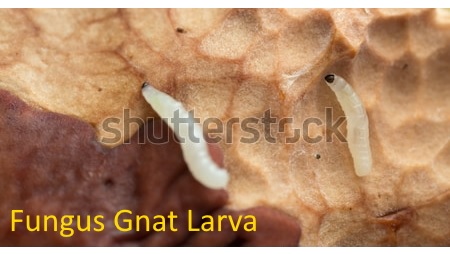
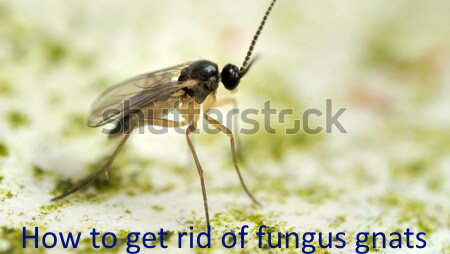
    These delicate flies have a similar appearance to mosquitoes having slender legs, segmented antennas coming out from the head region, 1/8th of an inch in size in adults while the larva is white and legless with black shiny heads and elongated bodies. They may have either transparent or grey wings. Their females lay down eggs in the moist organic debris and potting soils and growing media. Larva feed on organic mulches, molds, grass debris, compost, root hairs, and most commonly on fungi. Under hot-humid conditions, larva shows their presence by leaving slime trails on the topsoil exactly as the slugs and snails do. The larva develops wings and start flying near the growing media in a garden, on windows or sometimes enter indoors creating an annoyance for the gardeners and landscapes.

    What causes fungus gnats on your plants?

    As fungus gnats are weak fliers, they often don’t take long flights to get inside a home or indoor plants and adult gnats are short-lived as well and not a serious threat for the gardening plants other than they may create an annoyance for the gardens. Damages are done by the larva that often lives on potted plants, growing media, tender shoots, organic matter, soil compost, and roots, preferably. They are also capable of eating root hairs and fungi that borne in the soil and a slime trail on the surface of the soil is an indication for their presence in the media. In the result, plants wither and die besides they have sufficient moisture and ideal growing conditions but the damages are on the underground roots.
    Their presence is more prevalent in damp moist media having rich organic matter during temperature ranges 81-90 °F where the egg hatching takes place in only 3 days while temperature above 90 °F or below 10 °F slows down their hatching speed.

    How fungus gnats damage your plants

    The presence of adult fungus gnats is simply annoying for the gardeners as they don’t cause any serious damage to the growing plants. It’s the larval stage, when over infested, will damage plant roots that will lead to stunted plant growth in the seedlings and the young plants. Damage is more often on the organically rich moist soils leading to the death of the seedlings and young plants. Serious damages are more often on poorly ventilated, poorly drained and damp soils during high temperatures that the reason fungus gnats are more often found in nurseries, greenhouses, and indoor plants.

    Fungus gnats treatment

    Fungus gnats spend the majority of its life in two stages that are most harmful to the gardening seedlings i.e. Larva and pupa. So effectively targeting them during these immature stages is more important rather than targeting the short-lived adults. Attempts made during these stages prove more fruitful whether you control them culturally, biologically or chemically. Here are a few cultural practices that will help you to prevent their infestation on your garden plants.

    • Whenever you see adults flying in your garden, give immediate attention to your seedling for the presence of larva on roots.
    • Reduce excessive moisture from the potted plants and nursery trays and bring such materials to a well-ventilated place.
    • Remove plant debris and stubbles away from your garden space.
    • Increase spacing between the plants and nursery seedlings if growing in trays.
    • Let the top surface dry fully before you apply next watering.
    • Keep planting chives, Lavender, Basil, thyme, chrysanthemums and marigolds to repel adult fungus gnats in your garden.
    • Use yellow sticky traps; work on biological and insecticidal measures if the cultural practices are not proving fruitful to prevent fungus gnats in your garden space.

    So far, there are the numbers of biological and insecticide measures to successfully control and kill larva and adults of fungus gnats, see how you can prioritize depending on the intensity and you need to save seedlings and young plants from their damages.

  • Best Aphids Control: 11 way to kill aphids for cannabis(Updated for 2022)
    Gardening is a passion where growing plants is an art, caring your plants is the kindness towards nature while controlling pest in your garden is a technique that needs a lot of attention and focus that makes you companion with the nature and environment around you where we have the responsibility to keep you informed about the carcinogenic effects of the different agricultural chemicals and synthetic pesticides so that your passion is harmonized with the nature.

    Best Aphids Control 2022 on Amazon

    Image Product Link Price
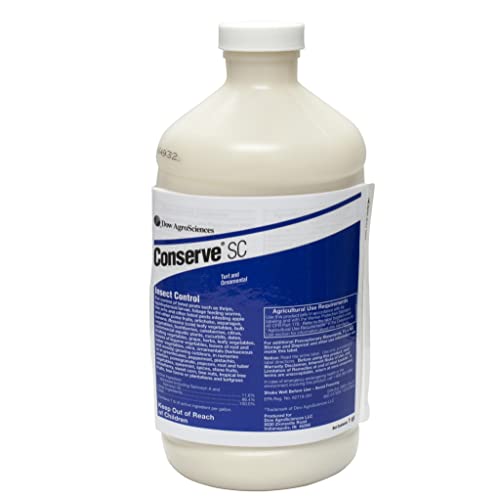
    Conserve SC Insecticide with Spinosad Biologically Derived 654157 $$$$$
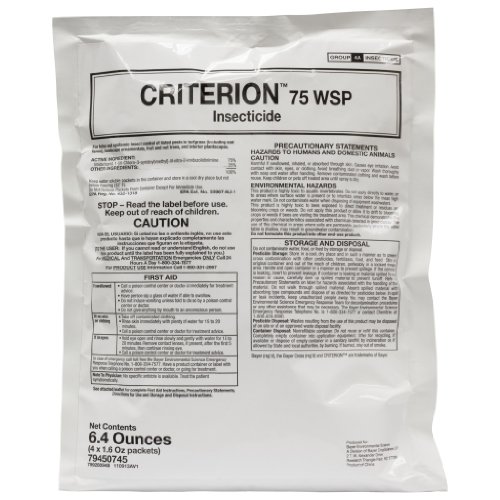
    Mallet 75 WSP Imidacloprid 75% Makes 1200 Gallons 1 pack contains 4 x 1.6oz Controls White Fly (Gen Merit) $$
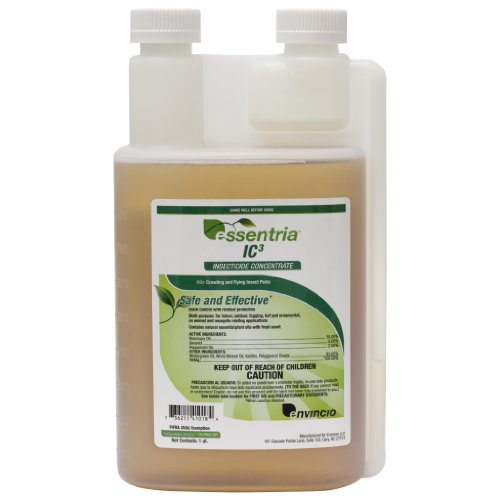
    Essentria IC3 Insecticide Concentrate-1 Quart $$
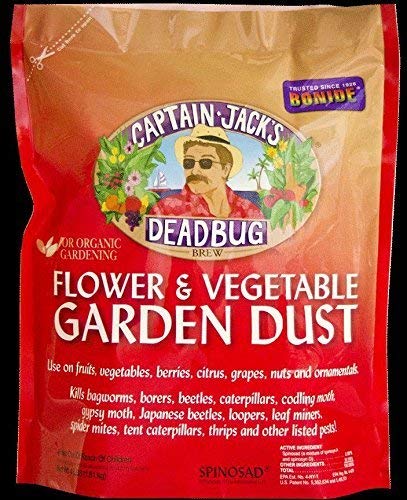
    Captain Jacks Deadbug Brew Flower Vegetable Garden Dust 4 Lbs Spinosad 0.001%” Not Sell or Ship CA; AK; DC; HI“ $$
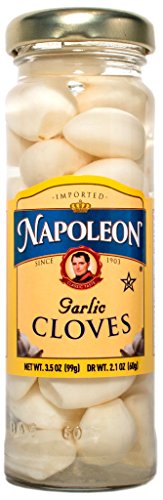
    Napoleon Garlic Cloves, 3.5 Ounce (Pack of 12) $$
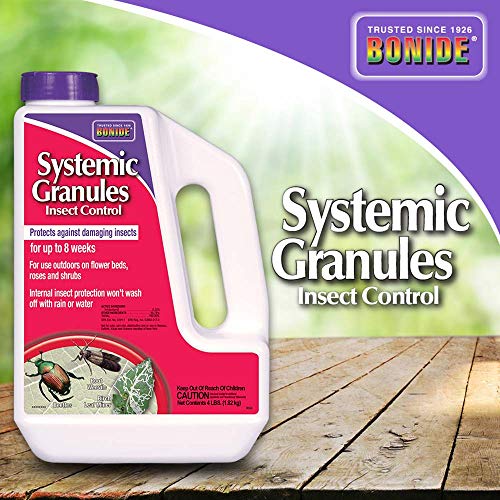
    Bonide (BND95349) – Insect Control Systemic Granules, 0.22% Imidacloprid Insecticide (4 lb.) $$
    Cyonara Lawn & Garden $$
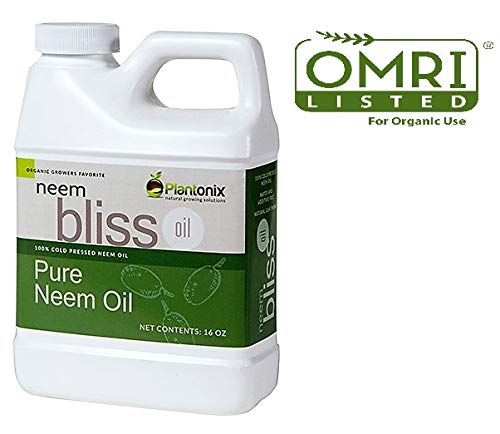
    Organic Neem Bliss 100% Pure Cold Pressed Neem Seed Oil – (16 oz) High Azadirachtin Content – OMRI Listed for Organic Use $$
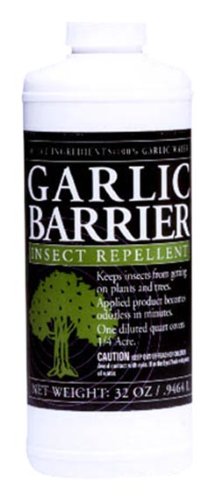
    Insect Repellent Garlic Barrier Liquid Concentrate 32 Ounce Size $$
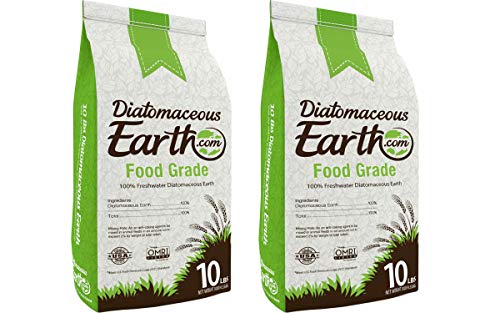
    DiatomaceousEarth Food Grade DE 2 lb- Includes Free Scoop from $
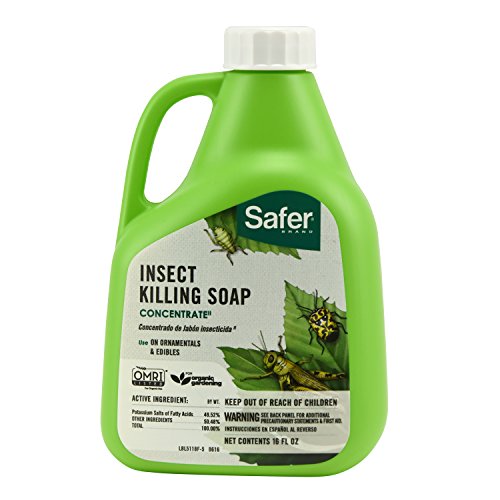
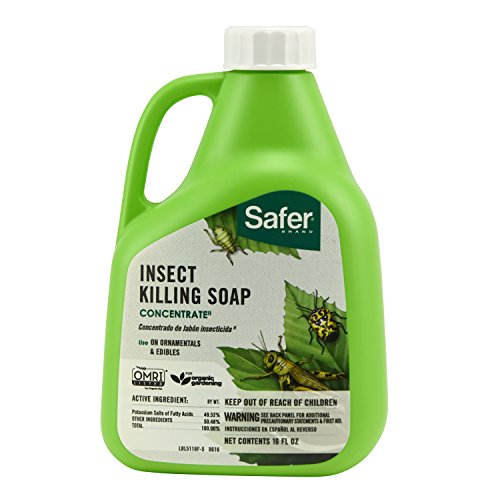
    Safer Brand 5118 Insect Killing Soap – 16-Ounce Concentrate from $
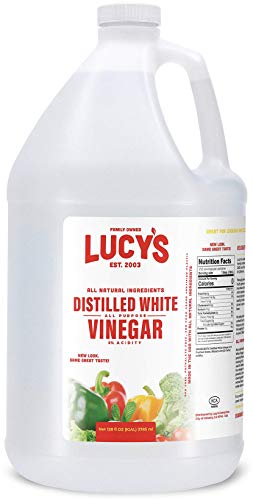
    Lucy’s Family Owned – All Natural Distilled White Vinegar, 1 Gallon (128 oz) from $
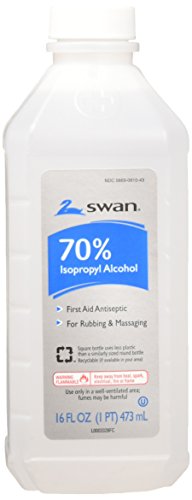
    Rubbing Alcohol, 16 Fluid Ounce (Pack of 2) from $
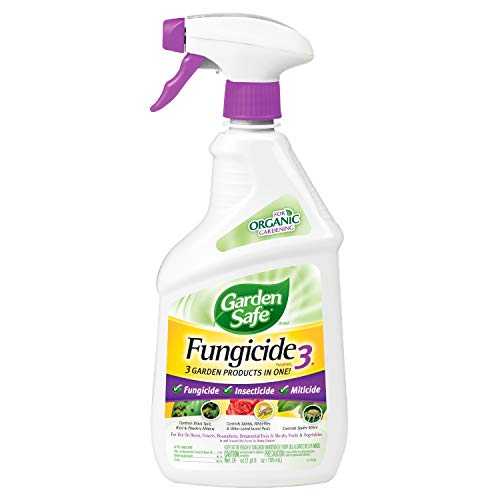
    Garden Safe Brand Fungicide3, Ready-to-Use, 24-Ounce from $

    How to Get Rid of Aphids in your edible garden?

    #1 Systemic Insecticides: Imidacloprid (75 WSP) (Chemical – Editors’ Choice)

    These are the last resort for controlling Aphids in your edible garden that can be applied directly on the plant foliage for controlling all sort of sucking pests using a pressure sprayer. Adonis 75 is Wet able soluble powder that contains Imidacloprid and has a very powerful killing effect on aphids.

    #2 Entomo-pathogenic Fungus (Natural – Editors’ Choice)

    Beauveria bassiana is one of the many existing entomo-pathogenic soil-borne fungi that act as a parasite on many arthropods and is used as biological insecticides to kill aphids, termites, thrips, and whiteflies on edible plants in any organic garden. BotaniGard ES and Mycotrol WPO are highly effective fungi and best aphid killer for Cannabis, vegetables and fruit trees and available online stores across the US.

    #3 Predatory Beneficial Insects

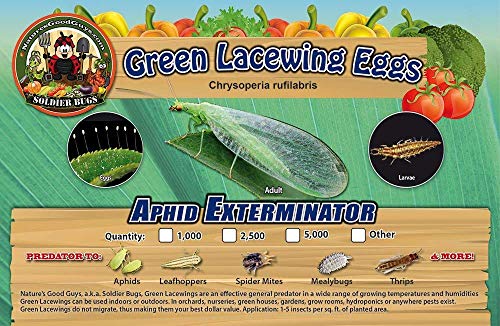
    Adopt a strategy to release beneficial predatory insects such as Lady Bird Beetle, Syrphid fly, and green lacewings in your garden systematically to overcome the population of Aphids that is damaging your cannabis, vegetables, and fruit trees and other leafy greens. Aphid Killer-Aphidius colemani is Braconid wasp and Dragonfli Ladybird Adults is live adult beetle that lives on aphids to keep their infestations in control and available on some online stores.

    #4 Insecticidal Alkaloids

    These are the pesticide having an insecticidal, acaricidal and nematicide action obtained from plant extracts. Their basis is low toxicity for mammals and low persistence in the environment. This pesticide has a composition that is based on plant extracts that may contain Isoquinoline, Nocotinide and Flavonoids and their derivatives. These are purely organic and can be used as the best aphid killer for vegetables and fruits.

    #5 Garlic Pesticides (allicin)

    Garlic contains chemical allicin that is considered to have insecticidal properties and works against a variety of sucking and chewing insects without leaving any residual effects on the produce or environment. Allicin is obtained after crushing fresh garlic cloves to prepare a ready to use insecticide that is the best natural aphid killer for any organic garden growing cannabis, vegetables and fruit trees.

    #6 Diatomaceous Earth (DE)

    Thickly ground DE will work against aphids only due to the size of the aphids which is often bigger than the size of the pores in these naturally occurring fossilized rocks. The best option is to place a piece of DE rock near the main stem of the plant that is being affected by the aphids. You have the option to spread fine granules on the floral parts of the plant to restrict their movement to other parts of the plants or nearby plants.DE can directly be poured on the bodies of the aphids that are best aphid killer for roses and honeysuckle. You can select from the variety of the products available on garden store, online.

    #7 Neem Oil Pesticides (Azadirachtin)

    Azadirachtin is the basic constituent of all Neem oil pesticides that helps disrupt the chemoreceptor mechanism, necessary for the aphids to shed their old skin and move on the next growth stage. This is the best organic aphid killer on hibiscus and the Cannabis plants. Applying on regular intervals keeps aphid’s infestation well controlled on all edibles growing in your garden. It can be applied using a mist sprayer to cover the undersides of the leaves, tender shoots and flowers. Many Neem oil-based products such as Neem Oil Pest and Disease Control, Neem oil extract concentrate, Neem oil ready to use Pesticides are available on online market places. Please refer to the user manual and label instructions before applying any insecticide on your garden plants.

    #8 Essential Plant Extracts & Oils

    It’s another class of botanical insecticide that contains essential oils of Rosemary, Geranium, and Peppermint that possess insecticidal properties. They are mixed to create safe and eco-friendly insecticides for the edible gardeners. Such type of oils must remain at hand throughout the growing season for any type of pest and disease infestations and can be applied frequently using a hand-held garden sprayer to your edible garden. Essentria IC3 Insecticide, Monterey Horticultural Oil, Ultra-Pure Oil Horticultural Insecticide, Thyme Guard Organic Extract are the prominent products of this class.

    #9 Spinosad (Organic)

    Spinosad is the derivatives of a naturally occurring soil-borne bacterium (Saccharopolyspora spinosa) that is capable to kill a variety of sucking & chewing pests including aphids on edible plants without leaving any harmful effects that’s why Spinosad is getting popularity in organic gardening due to environment-friendly reasons. Spinosad(Natroba) has an ovicidal effect that can be used on the places feared to have aphid’s eggs. Conserve SC Insecticide, Naturalyte Insect control, and Monterey Garden insect spray are the products to contain Spinosad that can be applied to the edible landscape using a fogger or hand-held sprayer. Spinosad is also the best root aphid killer due to ovicidal nature.

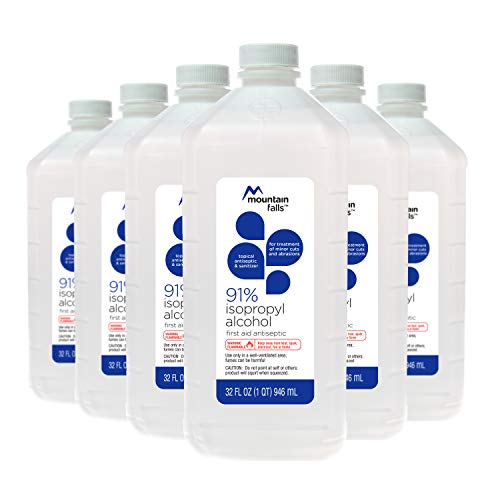
    #10 Rubbing Alcohol (Isopropyl alcohol 70%)

    Add 1 part of rubbing alcohol with 4 parts of water and spray thoroughly on all edible plants including cannabis and vegetables. Evening sprays are often more productive against all sucking insects like aphids, thrips and mites and whiteflies. Don’t mix any adjuvant as there are chances of stress and burning of leaves after the application. Apply on the undersides of leaves using a mist sprayer if you have a limited number of plants growing in your garden. Rubbing Alcohol is available from all online stores across the US and UK.

    #11 Systemic Insecticides: Acetamiprid(20%SL)

    It’s another systemic insecticide that is commonly used to control all strains of aphids such as Black and wooly aphids in any garden.
    Add 7ml Acetamiprid (0.24 ounce) in 1 gallon of water to spray on all parts of the affected plants. Especially focus tender shoots and flowers. Apply water immediately after spraying on your plants. Insecticide spraying practices must be carried out in the evening to save garden plants from any possible fear of burning or stress. Repeat spray after 7-10 days if the pest pressure continues.

    What are Aphids (Aphidoidea)?

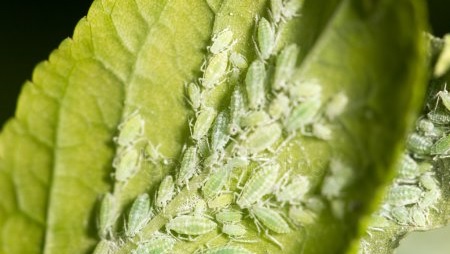
    Aphids are true bugs that vary in size from 1 to 10 mm having a different color that depends on the type of climate where they grow & reproduce. Generally, they are pale-green & black while commonly found aphid in a home garden is green. They possess two whip-like antennae at the tip of the head opposing a pair of cornicles. Female aphid’s hatching takes place at the beginning of spring that produces more female nymphs. Aphids may have 7 generations in a cooler climate that may go up to 20 in hot tropical areas. This rapid multiplication creates a big menace for the gardeners to rip them fully. They overwinter as eggs on plant debris and stubbles and become active in the next spring.
    These tiny creatures live on the tender shoots and flowers of the plants and suck sap leaving honeydew which becomes excellent growing media for fungi growth causing different sort of mildews and wilts on the Cannabis plants. Stunted plant growth leads to death of the plants eventually these pests move to other shoots and leaves of the neighboring healthy plants.
    Aphid’s infestation is more common on weak plant or plants having stunted growth, deficient in Phosphorus & Potash fertilizers. Aphid infestation is more frequent when the days are hot and the nights are relatively cooler. Aphids pierce their stylus to suck the sap of the plants looking greener due to excessive nitrogen application. Aphids feed on the plant Phloem, rich in minerals and sugars, responsible to carry these nutrients to other parts of the plant. The result is the more Honeydew and more chances of fungal & bacterial disease attack on the Cannabis, vegetables, fruit trees and roses.

    Prevention of Aphids on Garden Plants

    • Work on the plant vigor by increasing fertility of the garden soil by adding organic matter.
    • Increase moisture absorption and retention of your garden soil with enhanced cultural and organic practices.
    • Clearing un-decomposed matter under garden plants, weeds, and plant debris will help to destroy the eggs laid by Aphid’s, preparing to hibernate for winters.
    • Try to increase predators like Lady Bird beetle, which eats aphids in your garden. Try to increase the beetle’s population to keep aphids under control by growing plants such as geraniums, sunflower, parsley, and Sweet Alyssum. Syrphid fly and Soldier beetles are also well-known predators for aphids.
    • Try planting Catnip, Garlic, and Chives in your garden space as they all repel aphids.
    • Always apply a balanced and slow-release fertilizer on your plants as excessive nitrogen is an attraction for aphids in any garden.

    Despite following all preventive measures if their infestations go beyond control in your garden, here are the most authentic ways to kill them using different biological and organic techniques leaving minimum or no harm on the environment and your personnel health as well.

    Comparison of the best ways to kill Aphids

    The entire aphid controlling practices are organic, natural or biological except one that involves systemic control if the aphid’s infestations go beyond control or the slow organic practices are unable to deter and control heavy infestations. All these methods are safe and provide organic solutions to your gardening plants either they are edible like Cannabis, Vegetables and fruit trees or ornamental such as Roses, honeysuckle, and hibiscus.  It’s always advisable to stick to the organic practices for the long-term prevention and control of aphids in your edible garden for the solid reasons to stay healthy and keep your environment free from the residual effects of synthetic systemic insecticides.
    Generally when we talk about the passionate gardeners, there are two types of readers, one who need quick information for their time to time gardening endeavors, simply memorize some brand names without going into the details of the active ingredients that brand contains, dosages and the label information and remain stick to the brands until they see the side effects of that brand when it is no more working against the pest, it was recommended. Others are totally divergent to the first type of readers; they go into details starting from A to Z, never stick to the brands and keep studying details such as active ingredients, their percentile, active doses, mixing procedures and hazards associated with the longtime uses of that particular product or brand that’s why they are good beneficiaries for the information they possess and have the choice to make decisions based on their information.
    Here is a complete guideline showing a list of products for the best aphid killer on different edible and ornamental plants that include their active ingredients, application rates, and dosages, application frequency, mixing techniques, spraying methods and appropriate timing;

    #1 Best aphid killer for cannabis, vegetables and fruit trees

    Garden Safe Brand Fungicide3:- is ready-to-use, a 24-ounce organic pesticide that is equally effective on Aphids, mites and sooty mold associated with spreading other fungal diseases and is considered the best aphid killer for cannabis, vegetables, and fruit trees in your edible garden. Its active ingredient is Azadirachtin that is derived from the Neem plant and is safe for organic gardening.

    #2 Best aphid killer for roses

    Cyonara Lawn & Garden: – It contains Lambda-cyhalothrin (0.5%) and is considered best for spraying outdoor lawns, garden beds, Patios and Roses for the effective control of aphids. Try to avoid edibles as it resides for 8 weeks after spraying. Its doses change as per percentile of the active ingredient in different formulations that may vary from 0.5% to 9.7%. Read the label carefully before making emulsions for spraying outdoors.
    Add 4 ounces of Cyonara Lawn & Garden in 1 gallon of water to spray with the hand-held pressure sprayer in the evening and irrigate beds and lawn immediately after application.

    #3 Best aphid killer for honeysuckle

    Captain Jacks Deadbug Brew Flower Vegetable Garden Dust: -It’s ready to use dust containing 0.001% Spinosad, safe for organic gardening and especially for the honeysuckles as their flowers are edible. Simply spread this dust near the stems of the plant and on flowers that are more infested with aphids.

    #4 Best organic aphid killer for hibiscus

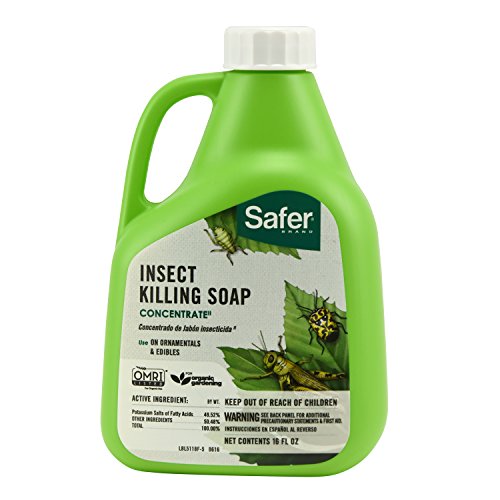
    Woodstream Safer Brand 5118 Insect Killing Soap: – It contains fatty acids of Potassium salt up to 50% approximately. It targets aphids along with other sucking pests including bugs, hoppers, and whiteflies. Add 2.5-3 ounce in 1 gallon of water to spray on the plant foliar using a mist sprayer to get insecticide penetrated deep into the leaves. It’s organic and environment-friendly. You can make any harvest immediate after applying on your edible and hibiscus plants.

    #5 Best natural aphid killer

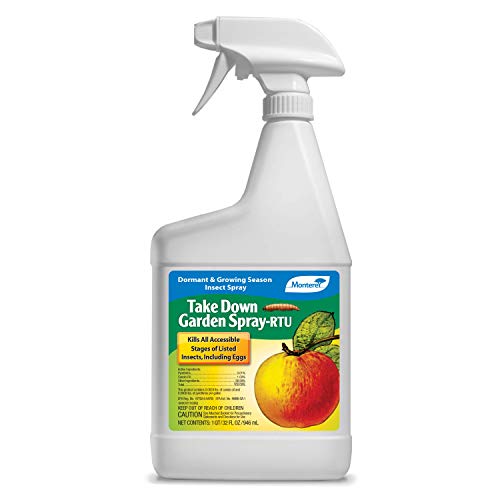
    Take Down Garden Spray: – This pint comes in concentrated and ready to use version as well. The product contains Pyrethrins 5% and canola oil. It works well against adult aphids and eggs as well. For complete adult and eggs control, add 2 ounces of concentrate in 1 gallon of water using any garden sprayer for the complete coverage of plant foliage. There is no compulsion on harvests soon after its application.

    #6 Best root aphid killer

    Bonide Rose Rx Systemic Drench Concentrate: – This systemic drench is a combination of Tebuconazole 0.80% + Imidacloprid 0.15% that keep their residual effects and control for 6 weeks. 1 quart is sufficient for 16 rose plants or other plant bushes of similar height and size. For individual plants, add 2 ounces in 1 quart of water and apply near the main stem in the soil. For beds, 2 ounces in 2 gallons of water treats 12 square feet area. This application kills aphids, termites, mites and soil-borne fungi before they attack your garden plants.

    #7 Best homemade aphid killer

    Take 200 grams of fresh garlic cloves. Grind cloves to make a paste by adding a few drops of water. Move this paste to a saucepan and add 2 liters of water. Note time so that it keeps boiling for 5 minutes only. Add 2 tablespoon of vegetable oil preferably canola after you have removed it from the boiler. Stir well to mix the content and wait till it gets to a normal temperature. Strain the entire content and pour into a spraying bottle or a hand-held sprayer to spray on the plant foliage. You may repeat spray after 3 days depending on the infestations.

    #8 Best systemic aphid killer

    Bonide Systemic Insecticide Granules: – Best systemic aphid killer contains a combination of Attapulgite 99.2% and Imidacloprid 0.22% that is highly toxic to aphids on plants and causes sudden death through a knockdown action. Granules can be spread as such in the area of the infestation or can be applied in mixed with water to spray on plants. Add I ounce of granules in 1 gallon of water and spray plants using a mist sprayer in the evening to follow watering immediately.

    #9 DIY aphid killer

    Take natural vinegar and fill 1/3rd of the spray bottle, add 2/3rd water and 1 tablespoon of vegetable oil. Stir it thoroughly and target sights with the aphid’s infestations in your garden. No harm in repeating spray after 3 days. Be careful about using white vinegar and liquid soaps as there is always a fear of stress and burning.

  • Overwatered Cannabis Plant: How do I fix an overwatered cannabis plant?

    The overwatering is a phenomenon that is commonly taken as a nutrient deficiency because it holds similar symptoms while it is more common in the indoor gardening plants compared to the plants growing under natural climatic conditions. There are several indications that overwatered plants exhibit while growing indoor that is common to some nutritive deficiencies but actually this is not the case.


    While looking for overwatered pot plants proceed with the following symptoms that are the major characteristics of such indoor gardening plants.

    Signs of overwatering plants may exhibit one or more prominent features listed for the grower’s guidance.

    Roots of the plants absorb water that contains essential nutrients through their tertiary roots or roots hairs on the primary & secondary roots in the presence of oxygen that is contained in the soil micropores. In the case of overwatered cannabis, plants are drowned into the water while the soil pores are filled with water droplets that don’t allow the plant to breath limiting their growth.

    Leaves start to wilt and show brownish shade along with becoming soft and droopy.

    Due to imbalance in the evapotranspiration ratio, turgor pressure increases in the tissues of the leaves that give rise to blisters on the surface of the leaves that may puncture to form brown warts on its surface. By combining all factors together, yellow leaves on plants become prominent and trigger their falling pace, they are overwatered. There might be an issue with your growing media, soil pH, water holding capacity, watering intervals, frequency of watering and size and location of the pots where you are growing that need to be corrected systematically if you want to fix such issue.

    How do I fix an overwatered plant?

    Besides discussing many options to regulate water in the Cannabis plants, some extra arrangements can be done if you are growing indoors:

    • Stop watering immediately or reduce it half than the previous level.
    • Increase water interval.
    • Check for the holes in the containers. Make more holes, if necessary.
    • Place jute bags under pots to absorb excess moisture.
    • Place your plants at a well-ventilated place.
    • Water in the morning instead of the evening.
    • Provide your plants with some extra light or direct sunlight.
    • Use exhaust fans to lower the humidity level of the grow room.
    • Check for the possibility of root rot in the root zone and apply fungicides. i.e Copper or Sulphur.

    #1 Akarden 100 Pcs Plastic Nursery Pots

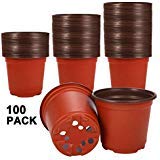
    How to fix overwatered plants starts from the right size of containers used to grow Cannabis in any indoor site. The size of the pots is very important if you are growing indoor along with its capacity to drain out excess water through underneath holes. Look carefully if the plants facing problems are growing in the right sized container as they need space to branch out their secondary and tertiary roots to absorb moisture and oxygen from the surrounding soil.
    These are excellent PP plastic pots with 4.4 inches of diameter to start growing indoors. It can be used for raising nursery seedling of microgreens and Cannabis plants having 9 holes in the base of each pot. It will help you in drying out excess moisture and keep your nursery plants in shape.

    #2 Espoma AP8 8-Quart Organic Potting Mix

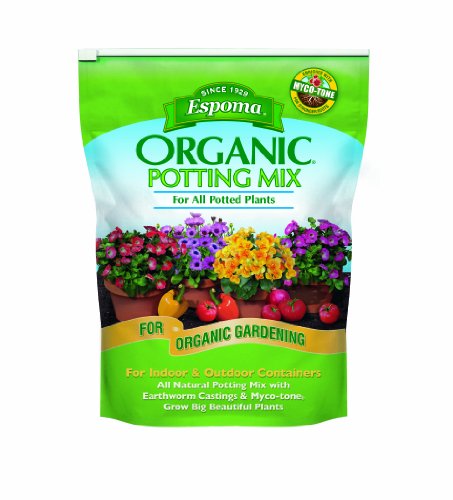
    How to dry out over watered soil needs changing or altering the potting soil and mixture. At priority, check with your potting mixture, media or potting soil where you are growing and facing the problem. If the soil is either too clumpy or hard and doesn’t leach water down after irrigating your favorite greens or Cannabis plant and the water keeps standing in the pot or bed for hours, it needs replacement.
    An awesome soil for growing Cannabis, vegetables, herbs, and indoor gardening plants for it contains earthworm casting and Myco-tone that saves water to the level needed to grow efficiently and drains out the excess moisture from the media. Plants will neither overwatered nor drought stress even if the watering intervals are not monitored carefully.

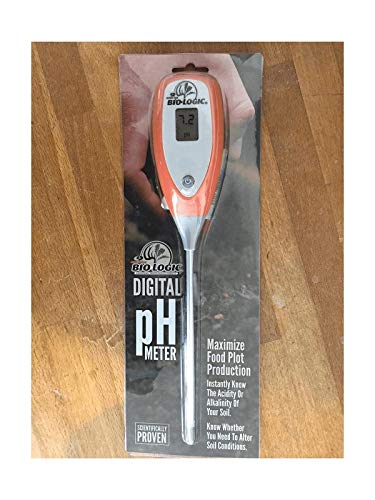
    #3 Soil pH Meter-Kit

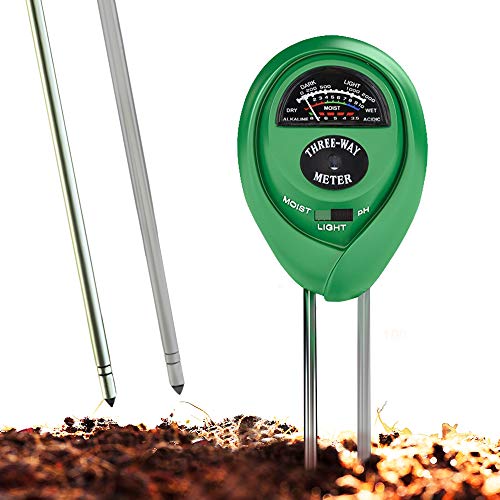
    After you have selected the right sized container and growing media, work on the pH level of growing media inside containers whether they have optimum pH needed to grow them successfully. For this purpose, you can use a hand-held soil pH meter to determine the right pH.
    The majority of indoor and gardening plants need a variable range of pH to thrive well which varies from 5.5-7 although some plants grow well even out of this range.
    If you are adding 3-in-1 Soil Kit to your gardening tools it can benefit you 3 ways. It will determine the right pH along with telling the percentage of moisture and light needed to grow your Cannabis and other gardening plants that will lead you to how to save an overwatered plant in your Cannabis garden. It will prove a super-secret for all of your gardening endeavors to know things in advance with precision. It is fairly easy to use. Just insert the tester into the gardening soil and know soil pH, moisture and light. Make corrections in all 3 factors, if needed.

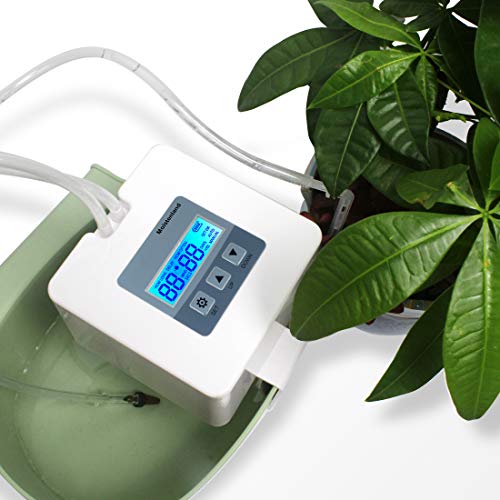
    #4 DIY Micro Automatic Drip Irrigation Kit, Self-Watering System

    This self-watering system facilitates us better on how to water weeds plants ideally. When you are facing overwatering issues in indoor plants growing in pots, it is better to regulate their watering needs in the way that it doesn’t need to look them again and again. Indoor plants have little watering needs but we keep them pouring whenever someone in the house gets a chance to water them but they are absolutely stressed when moving away for the weekend tour or long holidays. One of the best options to irrigate such indoor plants is converting them to a self-watering system like.
    That irrigates indoor plants without worries for as long as 30 days. One such system is enough for watering 15-20 indoor pots whereas it can be adjusted in 15 minutes to start its operation. Time delay and memory options can be utilized for workable programming using alternative power supply on the large LCD, installed for the purpose. It saves 70% water consumption while you can set the frequency and intervals of your choice for watering your favorite Cannabis, vegetables and indoor plants.

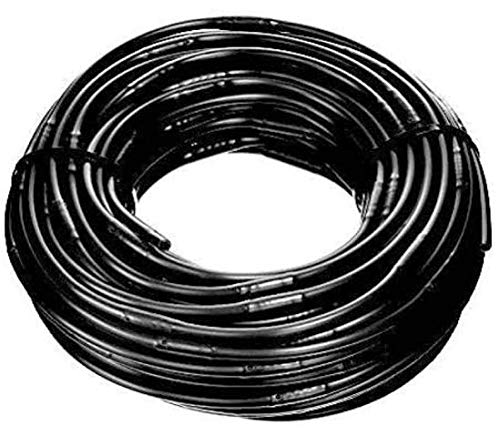
    #5 Drip Irrigation Line-6″ Emitter Spacing  (Netafim Emitters)

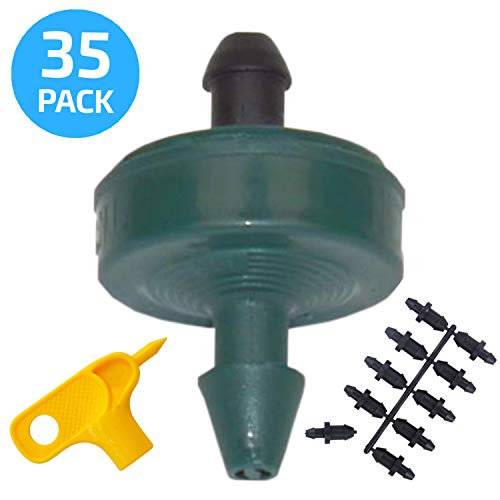
    and for emitters

    Overwatering in a garden or outdoor Cannabis plants can be fixed by installing an underground irrigation drip line with emitters and a controlled pumping out from the reservoir to distribute water equally to all growing plants. Controlled irrigations save up to 70% water while the supplies can be regulated according to the need of the plants and can be adjusted to increase or decrease discharge depending on the weather conditions.
    ¼” drip irrigation line contains 6” spacing for emitters that can release 2 gallons of water per hour where plants on the emitters line perceive a similar amount of irrigation water along with nutrients and are considered the best watering Cannabis plants in your outdoor garden. No need to level land for irrigating Cannabis as all plants receive a balanced supply of water even, they differ in topography and location of the plants whereas this system best suits to small nurseries, greenhouses, and home garden if you are growing Cannabis, vegetables and other microgreens including shrubs and fruit trees.

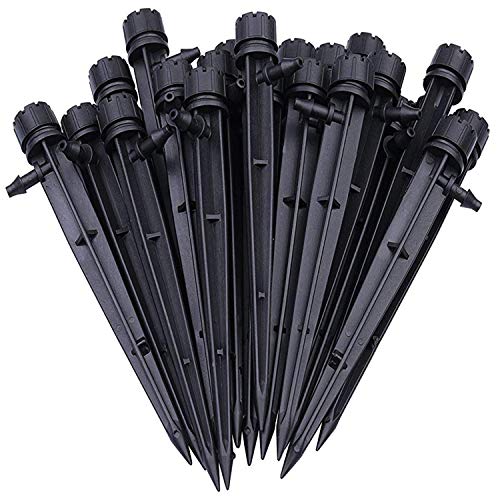
    #6 Axe Sickle Set of 50 Drip Emitters

    These drip emitters can also help you a lot to stop overwatering your Cannabis and vegetable plants. This 5.2-inch-long emitter can be inserted to any garden soil or raised bed where you are growing Cannabis or other microgreens as it allows you to regulate water using a 360-degree angle. Every drip emitter contains 8 holes that serve as a water outlet and can be connected with a ¼ inch drip irrigation line easily.
    It takes water where you actually want to direct it whether it’s Cannabis, microgreens or vegetables and herbs in your edible garden. You can also use it on ground covers and landscape plants to adjust its flow from the hole cap. Irrigate your gardening greens to the limit they need it to look them healthy and good looking whereas it saves a lot of money otherwise go waste to manage irrigation resources.

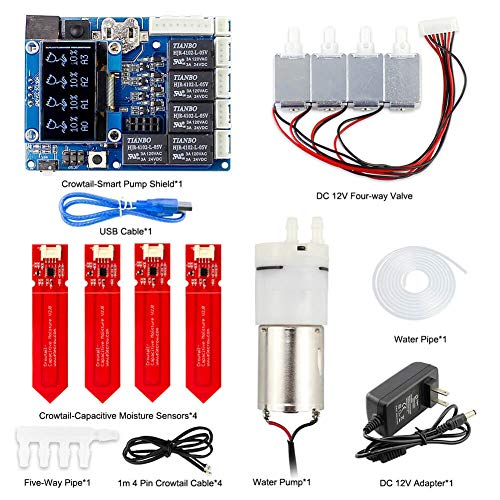
    #7 Elecrow Arduino Plant Watering System

    The final solution for the regularly overwatered Cannabis plants comes with this Arduino based watering system that involves the precision techniques to water your plants using sensors placed in the gardening soil or soil of the potted plants. Sensors placed senses the moisture content of the gardening soil where you are growing your Cannabis plants and trigger the motor to start watering until it the sufficient moisture level is attained in the potting soil.
    Its board is powered after loading the Arduino program while 4 moisture sensors are placed in different containers or pots to judge moisture contents. The Relay switches on the power when moisture contents drop below 40% Relative humidity. The system can be used for 4 plant containers simultaneously whereas the tubing and sensors will permit moisture flow to the only container that is deficient in moisture. This smart system is ideal for indoor Cannabis or microgreens during your long absence or holiday where you don’t need to worry about your favorite plants if you are away from these loved ones. A large reservoir can run longer in your absence if installed.

    How often to water plants?

    It’s a tricky question while it varies widely for different types of plants, growing medium, soil and surface temperatures, type of the soil and age of the plants in different plant species.
    The general rule that applies here for all gardening or horticultural crops is directly associated with the root health and irrigation demands that 1 square meter of a plant with completely developed foliage will require 4 liters to 6 liters of water in a day while in new plants that haven’t developed foliage yet will need some 3 liters of water in a day. The rule will remain the same if you are growing more plants in 1 square meter with little or fully developed foliage. Another rule of thumb is that almost 50% of the water applied to any growing plant is wasted either in leaching down effect or as surface runoff. So, we can employ it in the general watering plant procedures that apply water only when you feel that plants are in real need. You can also check the top 2-3 inches of the garden soil by inserting some spoon or finger into the soil, it appears wet, don’t apply the next water until it dries fully.

    How to water marijuana properly?

    Similarly in marijuana, plants need little watering at the seedling stages while water needs increases as the marijuana develop foliage and especially under warm, dry climate, it may need more water but remember thumb rules for watering your plants, always. Only water your fully developed marijuana plants when topsoil layer dries 2-3 inches in depth and for the seedling or small plants, keep the soil surface moistened not wet because roots are intact with the upper soil surface. Plants growing in sandy soil will need water more frequently than the plants growing on loamy soil while the plants growing in potting mixtures need to keep these wet and maintain good drainage for drying excess moisture.

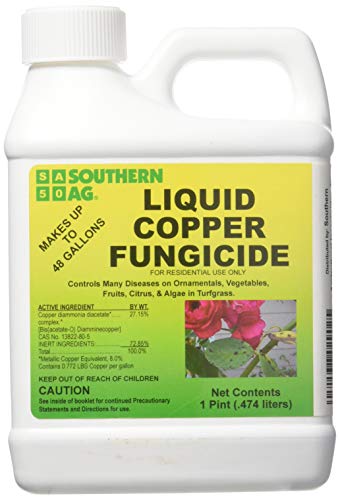
    #8 Southern Ag -Copper Fungicide

    It contains 27.15% Copper Di-ammonia in the complex metallic form and works well against a variety of fungi and bacteria soil-borne diseases on the Cannabis plants. Add 5-6 teaspoon of the Liquid Copper Fungicide in 1 gallon of water then apply the entire plant foliage using a hand-held pressure sprayer.
    You can also use a similar solution to drench your Cannabis plants followed by watering them.

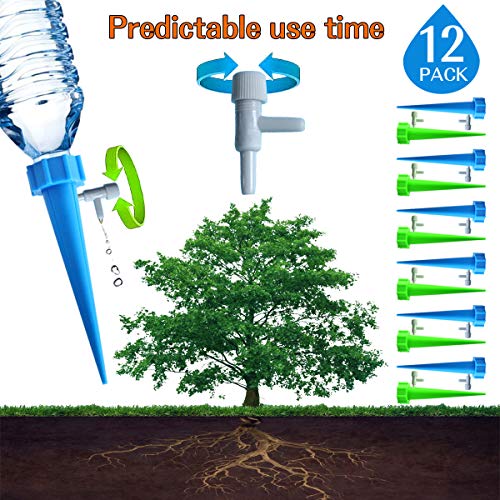
    #9 Automatic Drip Irrigation- Slow Release Control

    This is an excellent system if you are growing like 10-12 indoor plants and worried about regulating their watering during vacations. You can control the watering speed with these spikes using a slow-release option and set them the desired rate and limit the number of droplets. You can design 1 droplet to release either in 2 seconds or in 90 seconds depending on your choice and need of the plants.
    You can use any soft drink bottle of varying capacity from 500 ml to 2.25 liters having 1.1 inches of an inner diameter while one bottle can go for 15 days or longer in watering your Cannabis or indoor microgreens. A very cheap alternative for worry-free watering during vacations.

  • How to Get Rid of Broad Mites: 9 way to kill broad mites on Cannabis (Updated for 2022)
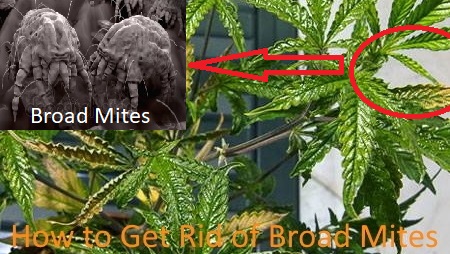
    Broad mites, also known as Polyphagotarsonemus latus, occurs in moderate climate regions only, often observed in greenhouses and tropics. There is a wide range of plants that are the main prey of the broad mites. Mites, often, appear on plants like peppers, tomato, cucumber, and many ornamental crops like cyclamen, begonia, gerbera, etc. Peppers is the most common host plant for broad mites. Mites on plants cannot survive the winter, especially when the temperature goes below 50° F.

    Now, one may ask, what are broad mites? Well, they belong to the mites’ family, Tarsonemidae. They have the most diverse eating habits than the other mites’ groups. They do not only feed on plants but algae, fungi are also not safe from them. They even feed on insects’ predators and parasites. Broad mites damage is considerably larger than the rest of the mites and can eventually kill the plant. They attack plants that are either ornamental or vegetable. There are three types of mites i.e. Cucumeris, Amblyseius californicus, and Amblyseius swirskii.

     How to eradicate broad mites?

    There are several methods, either chemical or natural for broad mite control. Broad mite treatment becomes easy and possible with these remedies mentioned below:

    #1 Avid 0.15EC- Syngenta (Chemical – Editors’ Choice)
    Avid 0.15EC works both as insecticide and miticide. It can control leaf miners and mites. Its formula is versatile and can be applied in many different sites. It not only kills the mites but also keeps the other insects in check too. This product is also used in resistance management program rotation, because of its unique chemistry. This product should be applied at the young age of thrips, aphids, and whiteflies. They instantly kill thrips, aphids, and whiteflies.
    Mix one-fourth of a teaspoon and one-half of a teaspoon in one-gallon water for mite control and leaf miner control, respectively. Apply this spray in a way, that the solution is uniformly covering the affected areas of the cannabis plant. The spray needs to be repeated after every 7 days for the first 2-3 weeks. Later, some other product should be used, that has a different method of killing. Use a hand-held pressure sprayer and spray on the affected plants thoroughly. The best time to spray your plants is in the evening. Irrigate your plants immediately after spraying your Cannabis plants for more efficacy and precision.

    #2 Garden Safe Neem Oil Extract (Natural – Editors’ Choice)
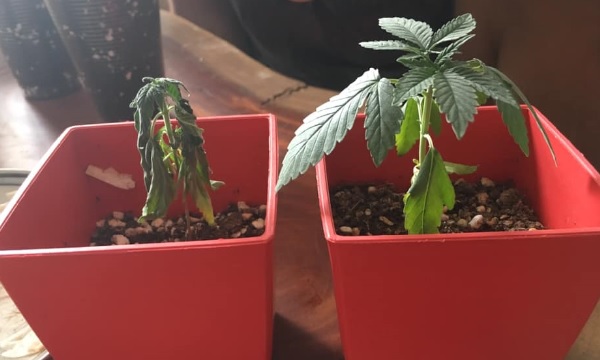
    Neem oil can give some unpleasant odor when comes in contact with flower buds, so always keeps it away from those buds. This remedy is effective that keeps things in control for longer in any edible garden and on the Cannabis plants as well. It is an all-natural remedy and can kill many mites, insects, and molds having more accurate control over broad mites and other pests on the undersides of the leaves.
    Moreover, this all-natural remedy has long-lasting control over the gardening pests leaving no harm or residues on the edible greens and Cannabis while it can be applied frequently if you are interested to stick yourself to the organic controls.
    Mix it in water in a pressure spray bottle. This spray bottle will help you to eventually apply the oil on the affected areas since neem oil and water are immiscible.

    #3 Instant Mite Killer

    It is an instant kill formula, that kills on every contact with the broad mites on cannabis plants, as well as, on outdoor plants. Other than mites, it can also kill powdery mildew, gnats, russet mites and many more. This miticide is a natural formula and it can always pass the pesticide test easily. This product ensures that mites never appear on your cannabis again. There is no specific stage of the plant cycle when it should not be applied. It can be applied to all vegetables and flowering plants. The maker claims that it can eradicate the mites on the first trial.
    Its unique formula kills the mites in three ways. First, the breathing tubes of the bugs are clogged, Then, these bugs start to burn under the effect of citric acid and finally, bugs and eggs like the broad mite eggs are completely destroyed, by dehydrating them completely.
    Mix 1-2 ounce of the instant mite killer into one gallon of water. 1 ounce for medium infestation and 2 ounces for severe infestation. If the plant is severely infested then, for the first week, treat the affected areas every 3 days. Then light the dose and mix 1 ounce in 1-gallon water and treat after every 4 days for one month. For maintenance, apply the mixture (0.5 ounces in every 1 gallon) every 6 days. A mist sprayer will be a better choice to cover the entire plant foliage in the evening.

    #4 Forbid 4F – Bayer

    This product provides controls for both mites and whiteflies. It is specially designed for ornamental, foliage and flowing plants. It can also help in killing mites on cannabis. The active formula present in its formula is designed in a fashion, that it can kill the mites during all stages. However, it is still preferred to apply when the mites are young since this product is more effective on that stage. It has long residual effects that can last up to 45 days. Moreover, it does not harm the beneficial insects of the cannabis plant. It can be applied to trees, shrubs, foliage and flower plants.
    This product is ready-made and should be applied as it is, in a uniform terminology. However, water can also be mixed to ease the uniform spraying method. In addition to that, it should be never be applied more than 3 times in a season due to longer residual effects.

    #5 Floramite SC/LC

    Floramite is a miticide, that can kill and control a wide range of mites. This product has a broad spectrum of application plants. These plants include all flowering plants, foliage plants, bedding plants, perennials plants, bulb crops, ornamental plants, and shrubs and trees. It contains Bifenazate, that can easily kill the broad mites. It has a long residual effect of about 28 days.
    Use only 0.04-0.08 oz. of the liquid product per gallon and apply such that full coverage of the plants’ surface takes place. It quickly kills the mites once they get in contact with it. Use a high-pressure hand-held sprayer to cover the entire plant foliage.

    #6 Ultra-pure Oil – BASF

    This product is an all-seasons product. It can be applied in all the seasons and has almost none sulfonated residues. It is non-toxic and can work for a wide range of insects, fungus and mites. Ultra-pure Oil can be used either as it is or be mixed in-tank solution for effective control. It provides control against powdery mildew, leafhoppers, lace-bugs, fungus gnats, thrips and many more. It has no odor and thus it will not cause any displeasures when applied to the cannabis plants. Its application area is quite wide too, it can be used in gardens, nurseries, greenhouses, farms, foliage plants. ornamental trees, and fruits and nuts crops.
    Apply it uniformly, on the affected parts on the cannabis plants. If not, then mix 0.01-0.02 gallons of the product in every 1 gallon and apply as a drench. However, it is recommended to apply it with the help of the tank.

    #7 Bush Doctor Force of Nature Miticide-Fox Farm

    The crops range for this product includes cucumbers, trees, tomatoes, melons, all types of flowing plants and squash. Force of Nature can kill many types of insects and mites. It can clear all the insects and mites in under a month, with its only 1% solution. It is applied in the form of foliar spray on cannabis plants. This product is non-toxic for both animals and humans. It is made of all-natural ingredients.
    Apply the 1% dilute spray of the Force of Nature as a foliar spray to establish a linear and uniform coverage of the product. The best choice is a mist sprayer while its application in the evening is more effective than the one done in the bright sunlight.

    #8 Talstar Insecticide

    Its active component is Bifenthrin. It contains Bifenthrin about 7.9%. This product can be used in both homes and professional uses. From cannabis plants of home to food processing facilities, it can be used almost everywhere without causing any harm. It is non-toxic in nature. Its makers also say that it can kill broad mites too with the insects on the cannabis plant. Almost over 70 different insects can be controlled and killed by this product.
    The amount of the product per gallon may vary from 0.2 oz to 2 oz, depending upon the types of the mite or insects. It has a residual effect of 21-30 days and should be applied, if needed, after this. A hand-held pressure sprayer is recommended to spray your Cannabis and other gardening greens in the evening.

    What are Broad mites?

    Broad Mites are difficult to notice until using a magnifying lens or microscope. Females are larger in size compared to males of the same class where a female can be 0.2 millimeters long while a male up to 0.1 millimeters. Bodies are often ovate and puffy having eight legs and body-color may vary amber to yellow or green. The rare legs in males are distended while compact in females. Colorless truncated eggs with miniature clumps giving them a speckle shape. Premature broad mites might be flattened having 6 legs while they are creepers while the nymph can’t move. Broad mites often originate from dejections on fruit where the eggs were laid.

    Broad mite Symptoms

    Broad mites heavily feed on the new growth often called tender shoots and fruits that are less than 1 inch in size and found on the inner side of the canopy that doesn’t get direct sunlight. Other locations might be the inner fruit in the plant foliage or the side facing inward. Their feeding leads to scars on the surface of the fruits that turn into cracks as fruit matures. Cupping and curling of the small leaves may occur on the outer foliage that is often similar to 2-4-D or Glyphosate damages on new growth that also sometimes looks to boron deficiencies and physiological malformation. The episodes of premature fruit drop, discoloration, cupping and turning leaves yellow are the major symptoms when broad mites are present on any plant.

    What does a Broad mite look like?

    Broad mite identification is not that easy as it seems. Broad mites on cannabis are too small to be observed with merely a human naked eye. The pictures of them on the internet are the magnified ones. Their legs maybe 6 or 8: 6 when they are young and 8 when adult. Their symptoms are not very unique and are often confused with symptoms caused by viruses. They’re common, resembling effects are overwatering, root problems, heat stress, and pH imbalance.


    But if you are looking for an answer to How to identify broad mites on cannabis? Then the effected plants from broad mites may have leaves, that have watery; and wet appearance. Furthermore, leaves are also seen to be twisted and turned up from the edges. The affected new leaves are often seeming blistered, turned; and wet at the same time. The buds of the flowing plants turn brown and die quickly.

    How to kill broad mites on cannabis plants?

    The first and foremost requirement is to stop the infestation from spreading. For that eradicate and remove that infected part of the plant. Unless the affected part is the issue, you cannot save the plant. Treat the affected plants at least once every week and spray the required killing sprays before the dark. Even after when the infestation is gone, keep on treating the plant for at least 5-6 more weeks as caution.

    Home remedies for Broad Mites

    #9 Safer Brand -Insect Killing Soap

    These soaps can help against killing broad mites too. These soaps weaken the outer shell of the mites. It is water-soluble and thus non-harmful to plants too. Moreover, they do not leave many residues thus it would not kill the beneficial insects of the plants.
    It comes in the fatty acids group and thus is not soluble in water either. That is why it is always to use a spray bottle for it. But again, it does not stay on the plant for long, maximum up to 8 hours. For this reason, this needs to be reapplied, for effective results. It can always give out odor, so prevent their contact with the buds. It is a hassle-free technique to get rid of broad mites than any other and keeps control for longer.
    The best choice for its application is to apply it with some surfactants so that the product stays on the foliage for longer to keep the constant control on the Cannabis and other microgreens.

    Different Broad Mites vs Russet Mites

    One may confuse with both because they affect plants in a similar way and are invisible under the leaves during the early stages of their infestations. However, they do have a separate position in our mites’ list. Both have the same life cycle time i.e. 8-15 days, this time may vary with climate and temperature conditions.

    • Broad mites have 4 different development stages; whereas, Russet mites have only two.
    • Broad mites’ eggs are colorless, elliptical in shape and luminous; whereas, eggs of Russet mites are clear, and round in shape.
    • Broad mites have 6-8 legs; on the other hand, Russet mites have only two front legs.
    • Broad mites are oval in shape, whereas, Russet mites are wedge-like.
    • The damage caused by Russet mites is more lethal than the one caused by the Broad mites.
    • Both drain the plants’ nutrients and caused their leaves to turn yellowish, dull and turned from the edges.
    • Both affect the whole growth of the plant, not only the growth of leaves and buds.

    How long until broad mites kill my plant?

    Broad mites may keep on damaging your Cannabis and other edible greens until the surface temperatures fall below 50°F  or exceed over 110°F in your garden. Another best option to eradicate them fully is to expose the affected parts of plants in the water for 15 minutes between 110°F to  120°F temperature ranges.

  • Yellow leaves on plants: 7 common causes for the leaves turning yellow on cannabis plants

    While growing cannabis, there may be several reasons that cause the yellow leaves on plants during the entire growing process whereas in some cases such leaves also develop streaks and brown spots followed by withering that result in the death of the plants. If we come to summarize such factors that cause the leaves to turn yellow, among them the prominent reasons may be nutrients deficiencies, environmental stress, imbalances in soil or growing media’s pH, a few pest and several diseases, excessive or less watering and the most prominent being the zinc and Nitrogen deficiencies. We will consider looking into all possible reasons in the order of their priority to adopt effective remedy to overcome such problems on your cannabis plants.

    #1 Watering stress

    Watering creates stress when it is either given in abundant or below the need of the plants that generally reflects on the bottom leaves turning yellow, initially. Cannabis is fairly tolerant to moisture stress but exceeding the limits show a vigilant effect on the plant growth in the shape of yellow spots on plant leaves that emerge during these stress stages. Little watering is required at the initial stages of growth that increases with the development of plant foliage in the later stages. Excess watering in often observed at the start of the growth while the stress due to less watering is noticed during the longest watering intervals at the later stages of growth that might arise due to holidays or absenteeism from the garden. Yellow leaves on plants are due to too much water as well where you don’t have good drainage conditions. Priority is to have the right growing media that is well-drained and holds the required amount of moisture till next watering. Hydrofarm Grow, Wiggle Worm Soil Builder Earthworm Castings, Sphagnum Peat Moss and Espoma-Organic Perlite are excellent growing media that can hold moisture for longer.
    To overcome watering issues, DIY Micro Automatic Drip Irrigation Kit helps you to regulate watering during your absence in the garden designed especially for the indoor and outdoor houseplants that are 100% automated small irrigation kit and has a built-in 30-day timer to schedule self-watering with freedom and ease. It saves 70% water and runs on micro USB or alternate 4-AA batteries. Bright LCD is installed that is easy to read and program. Once you program it for a month it keeps its memory even the power is switched off or batteries replaced.

    #2 Soil or media pH

    It’s important to know the pH of the soil or the growing media that is being in use to grow your Cannabis plants or Marijuana as it’s the pH that determines the uptake of the nutrients from any media besides you put heavy doses of fertilizers or additives for the efficient growth of your plants. Deficiencies can lead to yellow leaves with brown spots if you have even put a reasonable amount of such nutrients but absorption takes place only if the desired pH is maintained. Ideal pH for growing Cannabis is considered 6.3 to 6.8 so timely corrections are needed before growing Cannabis in your edible garden that guides you that what nutrient deficiency causes yellow leaves on your plants. For this purpose, you can use PH-98103 Digital Soil PH Meter Portable that displays pH value on-screen in seconds. It can be used in soil beds and containers with convenience. For quick pH check, Redxiao PH Test Paper can be utilized that tests pH range 5.5-9 in the soil and water in the quickest possible way. Frequently check soil pH using these devices before and after adding nutrients to your plants which show leaves turning yellow during flowering in your garden plants and yellow leaves on pot plants.
    After making careful observations, you can add Bloom City Professional pH Up + Down Control Kit to obtain desirable soil pH for growing Cannabis in your garden landscape. It contains both strong acid and base for correcting soil pH up to the asking levels in any growing media.

    #3 Nutrients deficiency

    After you are done with correcting watering and the soil pH and still signs of yellow leaves on pot plants and all leaves turning yellow during flowering are noticed, is the cause of nutrients deficiency and we need to know what nutrient deficiency causes yellow leaves on your plants?
    In case of Nitrogen deficiency, the lower and older leaves will start to become yellow, wilted, and dropping off simply because the younger leaves that are directly exposed to sunlight captured more solar energy during photosynthesis to convert it into glucose which is normal in the process but if things happen differently than all of the existing leaves turn pale yellow and papery, it’s time to apply additional doses of Nitrogen to complement plant growth. As you know Marijuana Nitrogen needs are bit higher than the other plants growing in its neighbor, one single such product that can recover all leaves turning yellow during flowering is 20-20-20 Premium All-Purpose Garden Fertilizer that can be applied with watering and sprayed directly on plant foliage to recover yellowing leaves during late flowering as well. It’s a perfect combination of Nitrogen, Phosphorus and Potassium fertilizers in a balanced ratio with slow-release properties that can be applied in any stage of plant growth. It also recovers plants from yellowing leaves during late flowering and other stresses as well due to its components such as Copper, Boron, Manganese, Molybdenum, Iron and Zinc and is considered a complete slow-release fertilizer to dissolve in water, easily.
    Add 4 teaspoon of Garden Fertilizer in 1 gallon of water using a pressurized sprayer and apply thoroughly on all parts of the plant. Otherwise, add ½ teaspoon to the soil near the stem of the plant and apply to water. The application can be made during all stages of growth but it may be stopped 15 days before harvest. Another similar product is 18-3-6 All Purpose Liquid Fertilizer & Micronutrients has all the similar features as the previous product but high in Nitrogen that is modified to release slowly while other ingredients chelated with EDTA and HEDTA agents so that effects on plant growth reflect slowly and separately. To spray, 1 ounce per gallon is the recommended dose while 3 ounces per gallons used to water plants for vivid results.

    #4 Heat and Cold Stress

    Both heat and cold can affect plant growth showing yellow spots on leaves. During the extreme hot climates, plants stop nutrients uptake that is in other words reflected on their top leaves yellowing flowering during any stage of growth. Caring plants against such stresses is important during their early stages of growth otherwise produce is largely affected. Cold stress generally occurs in a ratoon crop where winters are more severe while gardeners keep their plants standing for the next growing seasons to sprout again. Cold stress is noticed in open climate on the plants growing below 10 F during their night exposures, their initial sprouts turn yellow on emergence.
    Heat stress is what causes plant leaves to turn yellow on exposing them above 85 F for consecutive 2-3 days. To effectively save your plants from these varying temperature stresses is to place a Temperature gauge at some suitable place in your garden. One such instrument is NMSLA Rain Gauge + Thermometers + Wind Indicator to Monitors wind speed, measure Temperature, monitor rainfall with a scale, indicates wind direction and can be stuck into the garden earth to beautify your garden.

    #5 Common Pests

    In a Cannabis garden, Spider mites are aphids are also responsible for the plant with yellow spots on green leaves in the upper and middle foliage that are sometimes highly infested with these tiny creatures. Spider mites cause stippling on the upper surface of the leaves that eventually turn yellow upon exhausting chlorophyll from the leaves. On further infestations, these bleached yellow leaves tend to drop when leaf yellowing becomes prominent. This decreases the plant vigor and the entire foliage looks like burnt with a controlled fire in the upper plant leaves. There are several options to control spider mites on a Cannabis plant but sticking to the biological control is preferred over other insecticidal methods. Nature’s Good guys contain 2000 Live Adult predatory mites that prey on Spider mites. Predatory mites release is recommended during the initial stages of plant growth when preparing to develop canopy. 5-10 predatory mites are released in a square feet area on plant upper leaves where they start their multiplication in the next 2 days.
    Aphids also cause a similar type of yellowing on upper leaves and tender shoots where they suck plant juices by inserting their stylus to the leaf epidermal layers and secrete honeydew on the surface of the leaf to invite sooty mold and other fungi problems on the Cannabis plants. Among biological controls, Beauveria bassiana is an entomo-pathogenic soil-borne fungus that preys on aphids and many other arthropods such as spider mites and whiteflies as well. BotaniGard ES and Mycotrol WPO are highly effective laboratory-raised fungi and best aphid killer for Cannabis, vegetables and fruit trees to stop leaves yellowing on early flowering.
    Garden Safe Brand Fungicide3 is another ready-to-use, organic pesticide that is strongly effective on Aphids, mites and sooty mold associated with spreading other fungal diseases and is considered the best aphids and spider mite killer for cannabis, vegetables, and fruit trees in your edible garden. It also stops the multiplication of the sooty mold spores and further infestations in your garden. It contains Azadirachtin that is derived from the Neem and is considered safe for all sort of organic gardening where you can harvest even after its immediate use.

    #6 Diseases

    Apart from several fungi diseases on the Cannabis, powdery mildew is the most common that follows after the Aphids invaded your crop during any stage of growth. Once its fungus is on the leaves, it keeps spreading through air, birds, wind and rainwater splashes on the neighboring plants. Spores keeps on multiplying that appears like a white powder on the surface of the leaves. On heavy infestations, leaves top surface is fully covered with white spores that don’t let direct sunlight to reach leaf surface resulting in slowing the process of photosynthesis, in result, plant foliage turns yellow, then brown and eventually dies. It is most likely to infest the youngest plants when the humidity levels are high and there is limited or no passage for the air to cross between the Cannabis plants. One quick organic approach is to use a homemade recipe by mixing 40% milk with 60% water and immediately spraying on the affected plants. This method works fine if there is abundant sunshine to break milk after the oxidation reaction. The phenomenon of killing spores using milk is still under discussions that what milk contains that kills these spores of powdery mildew?
    Another organic and safe solution for Powdery mildew is Green Cure Fungicide with 85% potassium bicarbonate-base, broad-spectrum foliar fungicides that prevent and cure powdery mildew on the Cannabis plants along with controlling some common fungal diseases such as Downey mildew, Blights, Gray Mold and Black Spot on the Cannabis, Vegetables, and fruits. It’s an organic placement in your garden and no harmful effects are reported for the product on all edible greens. Simple to mix and use that holds built-in surfactant to stay its solution on the plant foliage.
    Add 2 teaspoon of Green cure Fungicide in 1 gallon of water using hand sprayer or water sprinkler for thorough wetting of your plant’s foliage. It also includes an accurate measuring scoop and complete instructions for the Gardeners.

    #7 Sunlight

    Sunlight is the trickiest factor that is not in your control while growing the Cannabis in your outdoor garden but you can overcome this factor by selecting a good site that is fully exposed to sunlight. Plants exposed to poor sunlight are often prone to yellowing of leaves as the process of photosynthesis is either delayed in such plants or it doesn’t occur that gives rise to yellowing.
    Picking a site becomes easier if you were aware of the other growing requirements at the different stages along with their influx and output to lead you to better yields in your edible garden.
    Another important factor related to the sunlight is its amount that your plants need to thrive well, entirely depends on the varietal features of the strains you are supposed to grow in your space. Generally speaking, more sunlight, more photosynthesis leads to more yields.

  • The 5 Best Insect Fogger for Indoor Cannabis Plants Reviews 2021

    Top 5 Best Insect Fogger for Indoor Cannabis Plants

    #1 Best Fogger for Indoor Cannabis Plants: Doktor Doom 3-Ounce Total Release Fogger

    As the name suggests Doktor Doom’s insect killer will really pack a punch when it comes to dealing with pest problems on your cannabis plants. This is specifically designed for indoor plants so great for those of you who use a grow room or grow tent and are experiencing issues with aphids, whiteflies, mealy bugs, thrips, spider mites, and fungus gnats.
    Simply set this fogger to work on your plants and see the results. It is made of natural Pyrethrin which will naturally degrade shortly after you spray so there won’t be any residue on your plants. A bonus of this product is that it can be used up until you harvest your buds so no need to worry about timings. One thing to note is that if your room is larger than 3000 sq feet this product might not be so effective.
    #Aphids #Fogger #Fungus Gnats #Mealy_Bugs #Spider Mites #Thrips #White Flies

    #2 Best Eco-Friendly Indoor Insect Control: SMITE Spider Mite Killer

    Spider mites can be a real issue for cannabis growers and one of the most common pests you will come across – they eat away at your leaves and damage your plants’ cells. If you want a 100% natural and easy way to get rid of these then this all-natural pesticide from Supreme Growers would be a smart choice.
    Made up of a combination of geranium, cotton-seed, rosemary oil and peppermint it can be used to both prevent spider mites and get rid of them. Just add water to the concentrate and spread over your plants – it will get rid of both spider mites and their eggs. If you are using this product for indoor growing make sure you don’t use it under direct intense lighting as it might burn the plants. Likewise, if you want to use outdoor avoid using when the sun is at its most radiant.
    #Eco_Friendly #Indoor_Growing #Natural_Pesticide #Non_Toxic #Spider Mites

    #3 Best Pyrethrum Bomb: Pyrethrum TR 2 oz (1 Count) Prescription Treatment Micro

    If you are looking for an indoor pesticide spray that has been used for centuries, then this Pyrethrum spray is the answer to your unwanted pest guests. This bomb works great to keep away Aphids, Fungus Gnats, Whitefly, Mites, and other mites and does a good job killing them off too. The small package contains enough to treat 3,000 cubic feet so even a reasonable sized growing area can be treated off just this 2-oz spray.
    The best thing about this product is that: it is one of the safest insecticides on the market; it can be used to prevent or cure pest invasions; and has low toxicity in mammals and humans. However, if you are someone that does not want to be putting any sort of toxicity on your weed, then this might not be for you as it can be harmful to humans in high concentrations.
    #Aerosol_Fogger #Aphids #Fungus Gnats #Mites #Whitefly_Mites

    #4 Best Fogger: Doktor Doom DDTRF5-1/2OZ 5-1/2-Ounce total Release Fogger

    If you have suddenly found you plants covered in unwanted guests, be it fungus gnats, spider mites,  aphids, mealy bugs, whiteflies, or thrips, this one-time total release fogger is super powerful and highly effective in ridding you of an infestation without leaving any unwanted residue. This works better than the Pyrethrum Bomb on this list when an infestation has already struck and can be used either in one go or in bursts, depending on your requirements.
    The pros of this product are that: it will cover 5,500 cubic feet; it kills bugs without leaving a residue; it doesn’t need to be washed off buds, and; it can be used in bursts or in one go if needed. On the negative side, it does not have as high a concentration of Pyrethium compared to some other foggers on the market, at just 0.20%. However, some people may see this as a benefit as this can be harmful to humans in high doses and it doesn’t seem to reduce its effectiveness.
    #Aphids #Fogger #Fungus Gnats #Mealy_Bugs #Spider Mites #Thrip

    #5 Best Aerosol Insecticide: Beethoven TR 2oz Miticide/Insecticide Areosol

    This potent insecticide packs a punch, treating up to a whopping 3,000 square feet of space and attacking mites, spider mites, diamondback moths, and whitefly. This product works best indoors and in greenhouses and can be set off in one go to truly destroy any unwanted bugs from destroying your valuable crop.
    The pros of this product are its extremely high extermination rates, the ability to fumigate a large growing area and the option to unleash the whole lot in one go. However. the major con of this product is that it contains 5% Etoxazole, which is mostly used on ornamental and landscape plants so you won’t want to be using this anywhere close to the harvest period. It will also not kill off eggs of spider mites.
    #Diamondback_Moths #Etoxazole #Insecticide #Spider Mites #White_Fly

  • Homemade Ladybug Killer 2021 : Best Organic Insect Controls for Outdoor

    Top 10 Organic Insect Controls for Outdoor

    #1 Best Organic Fly Trap: Trapro 20-Pack Dual-Sided Yellow Sticky Traps

    When growing cannabis one of the most common threats to your plants are Thrips – these are very small insects that move very fast. Once attached to your plant they will suck out the sap which can be very damaging if your plants are just beginning their life (such as if you have seedlings or clones).
    To stop the damage that this pesky insect can cause, it is worth taking a look at these Yellow Sticky Traps from Trapro. These have been intelligently designed to attract specific insects, including Thrips, Fungus Gnats, Leaf Miners and Aphids as yellow is a color they are drawn to. Simply attach them to a stick and place it either in the pot you are growing your cannabis in or in the ground next to your plants.
    This product is eco-friendly, suitable for indoor and outdoor use and is a cheap means of controlling pests. The only downsides of these Sticky Traps is that you will need to replace them regularly due how quickly they fill up with pests!
    #Aphids #Fungus_Gnats #Leaf_Miners #Organic #Thrips

    #2 Best Cold Pressed Neem Seed Oil: Organic Neem Bliss (100% Pure)

    The great thing about using Neem Seed Oil to assist your cannabis plants is that it helps to control the insects and fungus you don’t want but won’t harm those that are helpful to your plant (such as ladybugs and worms). So, if you have a problem with whiteflies, fungus gnats and spider mites then this Organic Cold Pressed Neem Seed Oil from Neem Bliss will not only act as a natural pesticide for these bugs it can also help prevent them in the first place if used regularly.
    Other pros of using this product from Neem Bliss is that it will enhance the growth of your cannabis and help in the prevention of rotting roots. A few cons include the strong smell of this Neem Oil which might be a little heavy if using indoors, and also make sure that you don’t use it close to harvesting as this can affect the flavor of your cannabis.
    #Fungus_Gnats #Organic #Root_Rot #Spider_Mites #White_Flies

    #3 Best Ladybugs for attacking pests: 1500 Live Ladybugs – Good Bugs

    If you have a Spider Mite infestation on your cannabis plants this can cause serious problems for the success of your crop. They breed like wildfire and will gradually take over your plants until they look like one giant cobweb. A great natural and organic way of getting rid of this problem is with Ladybugs – they will eat away at the Spider Mites on your plants and will also dine on other pests such as Aphids and Thrips.
    Incredibly, you can buy packs of live ladybugs on Amazon, and this product from Good Bugs will provide you with 1500 ladybugs delivered to your home. They are a cheap and natural means of controlling your pest problems, and your plants will be grateful that you haven’t doused them in toxic chemicals. There are plenty of pros to this product, and the only con is that you need to make sure you order them at a time you need them straight away – otherwise they will soon perish.
    #Aphids #Ladybugs #Organic #Spider_Mites #Thrips

    #4 Best Organic Caterpillar Killer: Safer Brand 5163 Caterpillar Killer

    If you’re growing your weed outside, then caterpillars can quickly become a pesky issue that are difficult to get rid of. However, this excellent concoction from Safer Brand, made-up of more than 98% ‘Bacillus Thuringiensis Kurstaki’ (Btk), will rapidly lead to the demise of any caterpillar infestation that has taken a fancy to your plants. It will also see off gypsy moth larvae and cabbage loopers. This is a great natural pesticide to use as it has little to no effect on species you aren’t targeting.
    One of the best things about using Btk is that it is a type of bacteria that occurs naturally in soil and is environmentally safe. It is also only toxic to its target pests, so beneficial insects will be unaffected by its use. However, it has been shown to cause skin and eye irritation for some people and even worsen the effects of hay-fever for sufferers.
    #Cabbage_Loopers #Caterpillars #Gypsy_Moth_Larvae #Organic #Tomato_Hornworm

    #5 Best Live Ladybugs – Large Bag: 4,500 Live Ladybugs – Good Bugs

    Receiving a bag of live wriggling ladybugs on your doorstep might sound like an odd addition to your cannabis growing kit. However, these little creatures could be just the remedy you are looking for to save your marijuana plants from a spider mite infestation.  If you notice tiny bite marks on your leaves or a trail of webs on your plants then you need to act fast to save your plants.
    With this huge bag of Ladybugs from Good Bugs (4500 to be precise) you can unleash the spider mites worst nightmare – without causing any harm to your plants as this method is 100% organic.  Ladybugs will also gobble up aphids, thrips, and whiteflies. Some users have reported that a con of this product is that some ladybugs don’t arrive in a live condition so make sure you order these with fast delivery and at a time where you need them immediately.
    #Aphids #Ladybugs #Organic #Spider_Mites #Thrips #White_Flies

    #6 Best Gypsey Moth Killer: Monterey LG 6336 B.T. Biological Insecticide

    If you are after a tried and tested naturally occurring killer for worms, caterpillars or gypsy moths, then this product from Monterey packed full of Bacillus Thuringiensis (Bt) will do just the trick. Bt has been around since the 1950s and is safe to use without harming insects and animals you want to see in your garden, such as bees, birds and friendly earthworm Jims. As soon as a bug tastes this product on your leaves it will head off away from the treated plant.
    The pros of this product are that a little goes a long way, it is highly effective against unwanted worms, caterpillars and superb against gypsy moths. It is also approved organic and suitable for use on products right up to the day of harvest. Unfortunately, this product stinks and is a little expensive given the size of the bottle, even though you won’t need a lot for it to be effective.
    #Bacillus_Thuringiensis #Caterpillars #Gypsy_Moth #Inchworms #Organic

    #7 Best Value Live Ladybugs: 1500 Live Ladybugs + Hirt’s Nature Nectar

    If you haven’t figured it out form this list yet, you need to know, ladybugs are essential for healthy and organic cannabis farming. These amazing creatures just love to eat most of the bugs you don’t want to see hovering around you weed as it grows. Whether you are worried about mites, whiteflies, aphids, or almost any insect with a soft body, these red wonders will keep your plants safe from harm whilst enjoying a feast.
    This great value pack of 1500 live ladybugs will work best when released at dusk as the night time means they won’t immediately fly away and will instead tuck into your unwanted guests. The included nectar also does a great job at keeping them where you want them. The downside of ladybugs is you will ideally need an outdoor growing space so you cannot guarantee you will keep them all where you want them.
    #Aphids #Ladybugs #Mites #Organic #White_Flies

    #8 Best Premium Live Ladybugs: 1500 Live Ladybugs – Beneficial Insects

    If you are confident about being able to keep your ladybugs where you want them once released, then you might want to invest in a slightly more costly breed with a humongous appetite. This excellent pack of 1500 provided by ‘LadyBugs 4 You’ are just that, capable of consuming 50 aphids a day each as well as Beetle Larvae, Chinch Bugs, Leaf Hoppers and other pests you don’t want feasting on your tasty green.
    The pros of these bugs are their: huge appetite;100% organic nature; targeted feasting; and guaranteed live delivery between 30-80 degrees Fahrenheit. As with all ladybug products the downside is around your ability to keep them where you want them, especially as these are more pricey than other ladybug options on this list you don’t want them all flying off the moment you release them. Just release them at night and make sure they have food and then you should see good retention rates.
    #Beetle_Larvae #Chinch_Bugs #Ladybugs #Organic #Spider_Mites

    #9 Best Safest Neem Oil: Safer Brand Neem Oil Concentrate

    Neem oil is the perfect organic treatment for getting rid of pests and sorting out fungus problems that your cannabis plants might be encountering. It works by suppressing those ‘bad bugs’ that attack your plants, such as spider mites and whiteflies, and also serves to strengthen your plants and prevent root rot.
    This product from Safer Brand comes in a concentrate and can make up to 16 gallons of organic fertilizer that can be used as both a fungicide and an insecticide. It can also be converted into a useful spray which can be directly applied to your plants and then stored away for later use. It is important that you use this neem oil regularly on your plants – but make sure you cease using a few weeks before harvesting as it can alter the flavor of your precious crop. This is a great choice for organic cannabis growers.
    #Fungus_Gnats #Neem_Oil #Organic #Root_Rot #Spider_Mites #White_Flies

    #10 Best Natural Spider Mite Controller: Green Cleaner 749804

    Spider mites can be a real issue for cannabis growers as they can severely damage the leaves of your plants. For an all-natural way of tackling these pests then this Home Pest Control Sprayer from Green Cleaner is a smart option. It is completely non-toxic, so no need for gloves – simply add water to the concentrate and get spraying.
    What’s great about this product from Green Cleaner is that it can be used at all times during the cannabis harvest – so no need to stop 3 weeks before like you would have to with neem oil. It is an effective way of killing both spider mites and any eggs they have laid, and they won’t get immune to it either. This product is a little pricey which is one downside, and you need to be careful about mixing the correct ratio of concentrate to water as a too strong concentration can burn your plants.
    #Green_Cleaner #Non_Toxic #Organic #Spider_Mites #Spider_Mites_Eggs

  • How to get rid of whiteflies: 10 way to prevent and control whiteflies in your garden

    Whiteflies are small true bugs, white during adult stages whereas finding on the undersides of the leaves like small white tiny dots during the nymph stages that appear flattened, oval scales without legs and remain stick to these sites unless they become motile after sucking sap from the leaves. They are supposed to be the carrier of several viral and fungi diseases especially Leaf Curl Virus and Sooty mold are more notable in the garden scenes. Two most occurring strains are Bemisia argentifolii and Bemisia tabaci that can do noticeable damage to any edible garden once they become capable of flying while the best strategy to control them shows significant results during the Nymph stages when they are present undersides of the leaves. Before they cause considerable damage to the new growth and tender shoots, learn how to get rid of whiteflies quickly on your plants.

    How to Prevent and Control Whiteflies in the Edible Gardens

    #1 PyGanic Gardening 8oz, Botanical Insecticide (Chemical – Editors’ Choice)

    It’s a broad-spectrum contact insecticide containing pyrethrins extracted from the chrysanthemums that is very effective against a variety of pests and is considered ideal for the edible gardens and can be sprayed on vegetable, fruits, and ornamentals without any fears of residual effect. To see how do you get rid of whiteflies using its powerful formula by diluting 1 to 1.4 ounces of this concentrate in 1 gallon of water. Ensure a good spray coverage using a mist sprayer. Avoid spraying during rain while it can be sprayed till the day of harvests.

    #2 Ed Rosenthal’s Zero Tolerance-Herbal Pesticide (Natural – Editors’ Choice)

    This herbal pesticide is made from food-grade cinnamon, thyme, rosemary, and clove oils to get rid of whiteflies and several other garden pests. It can work exceptionally well on first spotting of whiteflies on the undersides of the leaves and works as strong deterrent and killer on contact. It has no side effects and you can use it 2 weeks before any harvest.
    1 quart of this concentrate makes 1 gallon of solution to be used on the entire plant foliage with the help of mist sprayer.

    #3 Rubbing Alcohol (Solimo 70% Isopropyl Alcohol)

    The first question that arises in your mind on first spotting them on your plants is how to get rid of whiteflies quickly?
    Make a mixture of rubbing alcohol with water, liquid soap and mouth wash to wash them away using a pressurized sprayer especially on the undersides of the leaves that dislocated and kill them gradually on the ceasing of sap-sucking from the leaves.
    For 10 ounces solution, add 2 ounces of rubbing alcohol, 2 ounces mouth wash, 1-ounce liquid soap and 5 ounces of tap water. Spray in the evening and monitor leaves for any sign of burning. Avoid adding liquid soap if the surrounding temperature is too high.

    #4 Azera Gardening

    Its combination of Azadirachtin from Neem (1.20%) and Pyrethrins from Chrysanthemums (1.40%) respectively that is very effective against whiteflies on plants in your vegetable or organic garden. Its efficient formula kills even the resistant whiteflies and other soft and hard-bodied pests like aphids and beetles in any edible garden. It naturally breaks down in sunlight that can be applied on the day to harvest fruits and vegetables. Add 1.25 ounces of this concentrate in 1 gallon of water and thoroughly spray your plants using a mist sprayer or a fogger.

    #5 Organocide® Bee Safe 3-in-1 Garden Spray

    Organocide contains 0.08% Sesame oil along with soybean extract and fish oil to make a powerful blend that works as an insecticide, acaricide, and fungicide together. While you have such type of product at hand that you don’t need to worry how to control whiteflies, their eggs and nymph on your garden plants and more sweetly it can be used till the time of the harvest without fearing any toxicity due to its organic nature. It doesn’t harm bees besides equally effective against sooty mold or other diseases that are associated with the whiteflies in your garden
    Caring surface temperature is very important for its applications. Avoid if the temperatures exceed 95°F.
    A single application is enough for complete control of whitefly on plants. You may repeat after 7 days if the infestations prolong.
    Add 3 ounces of Organocide®3-in-1 Garden Spray in 1 gallon of water and shake well before use. A hand-held sprayer can do the rest of your job.

    #6 Bonide – Insect Control Systemic Granules

    It contains 0.22% Imidacloprid as its active ingredient. A systemic insecticide is better to use outdoors or lawns for stopping whiteflies to enter into the house. If you can manage to kill them from lawn and ornamental plants then whiteflies don’t become a menace in your gardening. Don’s put on any type of edible plants until you can wait for 3-4 weeks to harvest. It’s a granular application that is easy to apply.
    Add 1 pound of granules to 8 medium sizes rose plant or shrubs of the similar type. For containers, add 2.5 tablespoons in 1 gallon of water. The application may be repeated after 8 weeks during the growing season for complete coverage of whiteflies in house and ornamental plants including lawns.

    #7 Nature’s Good Guys-1,000 Encarsia Formosa Eggs (control whiteflies biologically)

    These are eggs of tiny flying insects that either paralyzes Nymph by laying their eggs inside them or eat it up altogether. They don’t interfere with the activity of other beneficial insects but in harmony with them. Hanging cards containing these insects are placed on the lower leaves of the plants that need immediate release upon arriving at your garden. They are capable of controlling several traits of whiteflies and are often not noticeable in the garden. Releasing and hanging these cards on your edible plants is quite an easy job.

    #8 Beneficial Delphastus Pusillus-White Fly Predator (control whiteflies biologically)

    It’s a small black beetle that is the voracious eater of all existing strains of whiteflies including giant whitefly. If whiteflies disappear during or after their application, they will feed on aphids and spider mites while it’s adult and larva both remain active in preying all stages except flying adults of whiteflies in your edible garden. On average, 1 beetle can prey as many as 150 eggs in a day. Pack contains a group of 25 beetles that are fairly easy to release in your garden.

    #9 Monterey -70% Neem Oil (16 Ounce) (control whiteflies organically)

    The question arising from the edible gardeners that how to control whiteflies organically is over now as this product is specially made from Neem extracts that has the ability to prevent and control several pests including whiteflies, aphids and spider mites on vegetables & fruits, ornamental & shrubs, roses & flower along with the fungicidal properties to work against Downy & Powdery mildew, leaf spot and rust wilts. It immediately breaks down into organic matter after its applications & never does any harm to edible plants.
    This product is more effective if applied after every 10 days. For heavier infestations, spray after every 7 days.
    Add 1 ounce of 70% Neem oil in a gallon of water and spray your plants using a Pressurized sprayer washing them from upside down.

    #10 Garden Safe Brand Insecticidal Soap Insect Killer (control whiteflies organically)

    It’s another ready to use a product from the range of organic insecticides which contains 1% Potassium salts of Fatty Acids that doesn’t let whiteflies to change their instar and they die of starvation in the process. It’s a contact poison and damages cell membrane of the all soft-bodied insects. It can also be used until the time of the harvest without any residual effects on the edible plants. No need to make any mixture, just pick the pack and fix whiteflies at the spot.

    What are whiteflies and where do they come from?

    Coming towards identifying these tiny creators you must be carious that what do whiteflies look like? It’s not hidden anyways that they belong to class Insecta and the most common occurring strains in the US climate are Bemisia argentifolii and Bemisia tabaci where B.argentifolii is also called silver leaf whitefly. Most of the species have a wingspan of 3 mm or even less, the body is 1 mm to 2 mm long. Some giant whiteflies have length up to 5 millimeters. They are small tiny insects when flying and tiny, flattened, oval scales when present undersides of the leaves as Nymphs where they are hardly noticed due to their hiding locations. B.argentifolii is usually causing the biggest destructions in the vegetables and fruit orchards while B. tabaci causes more destruction to the field crops such as Tobacco, Cotton, and Cereals. The best time to identify any of these strains is during their Nymph stage when they are present undersides of the leaves busy in sucking sap from the newly emerged leaves and tender shoots. They develop red eyespot upon changing their instar from Nymph to adult stages of their growth. The pupa of the Silver leaf whitefly looks rounded and dome and even pointed sometimes. The pupa has no filaments. They have several pairs of wax filaments arising from the top. Adults are generally white, as their name indicates, although the body of the Silver leaf is slightly more yellow. However, their color alone is not the basis for their identification but the difference in the angle of their wings to their body.

    How do whiteflies damage plants?

    Generally speaking, gardeners don’t like plants infested or damaged by whiteflies when they visit nurseries to buy plants as the quality of the plants deteriorate after they are infested with whiteflies and its not wise decision to bring already infested plants to your edible garden that may damage your existing plants. Whiteflies infest numerous garden plants by sticking them to the undersides of the leaves with the help of stylus that they insert into the epidermal leaf layer and suck the plant sap. Besides sucking sap they secrete sticky saliva on the surface of the leaves that creates an ideal media to attract sooty mold and many other fungi diseases. Whiteflies are also considered the carriers of tomato yellow leaf curl virus (TYLC) and Gemini Virus on Cotton causing (CLCV) which are hard to recover and diminishes thousands of acres of standing crops in the growing season.

    What is the lifecycle of whiteflies?

    Females often lay down eggs on the undersides of leaves, shoot curvatures and undersides of buds on the plant. Eggs numbers vary from 200 to 300 depending on the temperature and humidity in any particular area. A female may live up to 45 days that again depends on temperature. All life stages are passed on the same host plant except for the adult stage that migrates to neighboring plants. Eggs are in the form of tiny spindles in semi-circles. Hatching takes place in 8-10 days at 65°-75°F. Upon hatching, nymphs remain stick to the leaves for their feed until they pass other stages to become a flying adult. Depending on the temperatures, whiteflies may have 11 to 23 generations annually. It’s advisable to make necessary arrangements to control them when their populations exceed 5 adults per leaf or 10 Nymphs/leaf but it’s much better to keep them in control before they start flying to other plants to infest them.
    Rapid multiplication of whiteflies does compel the serious gardeners to look into prevention and control techniques that are organic, natural and biological for a sustainable control without leaving residual effects on the edibles and their health as well. We will consider these techniques but our priority is how to control whiteflies organically.
    Before we go into the further details look into the cultural practices that help prevent and know how to get rid of whiteflies naturally;

    How to prevent whiteflies in your garden?

    • Induce the culture of raising beneficial insects such as parasitic wasps, lacewings and ladybird beetle and create an environment to invite small predatory birds to live on these flies.
    • Don’t bring infested plants to your garden area from the outside climate or nurseries.
    • Hang yellow sticky traps and cards having a thin layer of petroleum jelly to control early invasions.
    • Initiate removal host plants especially weeds, plant debris and stubbles from your gardening landscape.
    • Avoid overpopulating your space and observe fair distances while growing new plants in your indoor gardens.
    • Don’t over-fertilize with excessive Nitrogen applications as it invites whiteflies to infest plants.
    • Maintain air crossing among the plants and a fare interval between successive watering.